

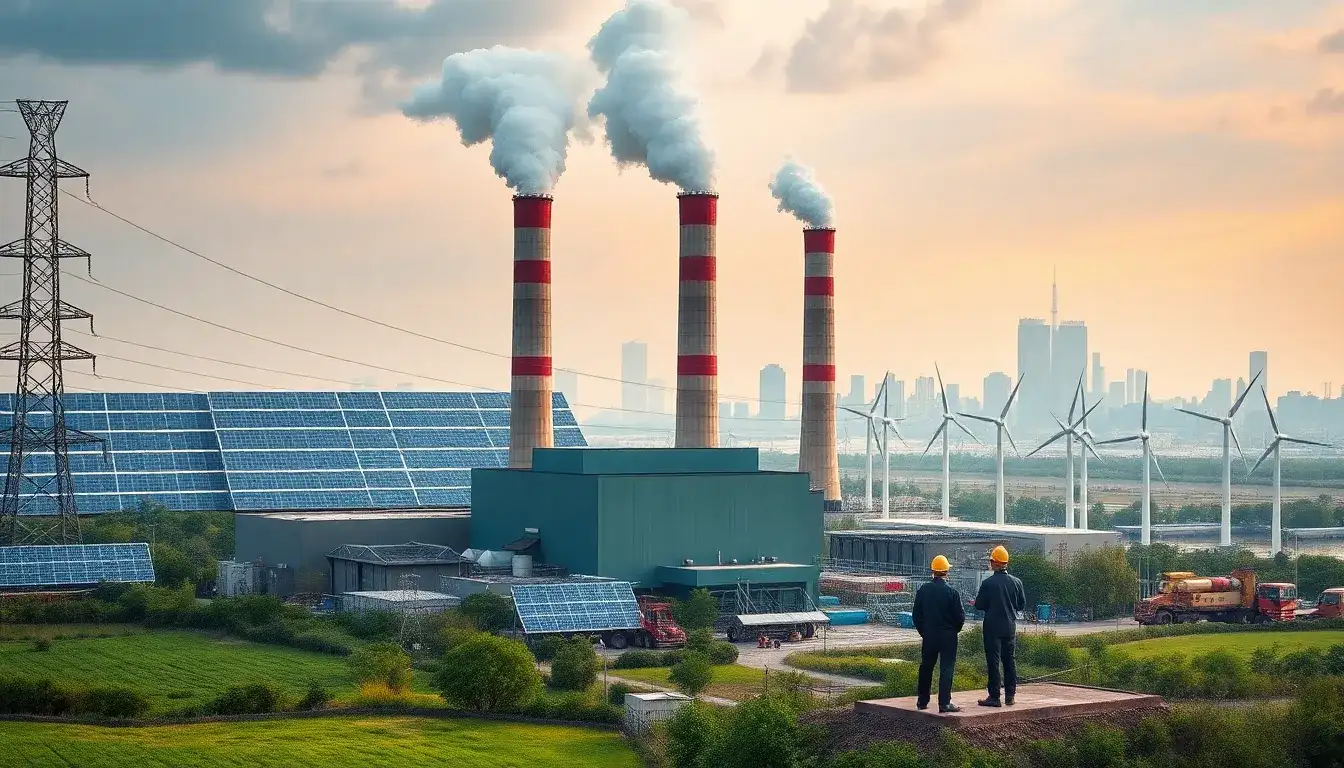
New Energy Source “Warehouse” is set to provide significant support to the energy supply in various regions, according to the National Energy Administration. The report indicates that efforts are underway to enhance energy supply reliability for the populace.
The initiative, highlighted in a recent briefing, emphasizes the importance of stable electricity and heating energy supply. Experts from Beijing University have noted that ensuring energy supply is a comprehensive process requiring various strategies to establish a modern energy system that is both resilient and flexible.
In recent times, energy supply has been affected by weather changes, leading to an urgent need for energy companies to adapt and ensure reliable energy production. The administration is advocating for quick advancements in energy supply projects to stabilize economic operations and meet the growing demand for energy.
In Guangxi, the construction of a new power generation project aims to increase electricity output significantly. By the end of the year, it is expected to generate approximately 884 billion kilowatt-hours, enough to meet the annual electricity needs of about 440 million households. In addition, the construction of a new power station in the region is progressing, which will further enhance the stability and reliability of the local electricity network.
According to recent data from the National Energy Administration, by 2025, the estimated electricity generation capacity is projected to reach 97,159 billion kilowatt-hours, reflecting a 2.2% increase from the previous year. This includes a generation capacity of 62,945 billion kilowatt-hours from thermal power, a 1.0% decrease; 13,144 billion kilowatt-hours from hydropower, a 2.8% increase; 4,812 billion kilowatt-hours from nuclear power, an increase of 7.7%; 10,531 billion kilowatt-hours from wind energy, a 9.7% increase; and 5,726 billion kilowatt-hours from solar energy, a remarkable 24.4% increase.
To further promote green energy development, innovative technologies are being adopted to create a stable, green energy supply chain. Projects that focus on integrating solar energy, hydropower, and grid connectivity are currently underway to enhance energy supply efficiency.
In Japan, a project aimed at enhancing energy systems is in progress, incorporating a combination of solar energy, biomass, and electricity generation. This project is expected to transform the local energy landscape significantly.
Additionally, in the mountainous regions, energy companies are encouraged to implement intelligent systems to optimize energy usage and enhance power generation efficiency. The latest developments include the introduction of smart meters and AI technologies to improve energy management and reduce waste.
The National Energy Administration’s recent statistics indicate a growing trend in renewable energy generation, particularly in solar and wind energy. These advancements are crucial for ensuring energy supply stability and meeting the rising demand for clean energy solutions.
To address the current challenges in energy supply, it is essential to improve energy production stability and promote the integration of diverse energy sources. Recommendations include enhancing energy efficiency measures, ensuring adequate reserves of natural gas, and promoting the development of new energy technologies.
In conclusion, with the ongoing efforts to build a robust energy system, there is optimism that the energy supply will be effectively managed to meet the needs of the economy and the population in the coming years.
Original article by NenPower, If reposted, please credit the source: https://nenpower.com/blog/chinas-energy-supply-crisis-strategies-for-stability-amidst-challenges/

