

The National Energy Administration (NEA) released the “China Hydrogen Energy Development Report (2025)” on April 30, highlighting that this year is crucial for advancing China’s hydrogen energy industry toward economic viability and large-scale development. The NEA aims to strengthen the top-level design and overall coordination of hydrogen energy policies in response to uncertainties in global hydrogen energy sector developments and challenges related to enhancing the economic viability of hydrogen applications, improving critical technology, and refining the policy support system.
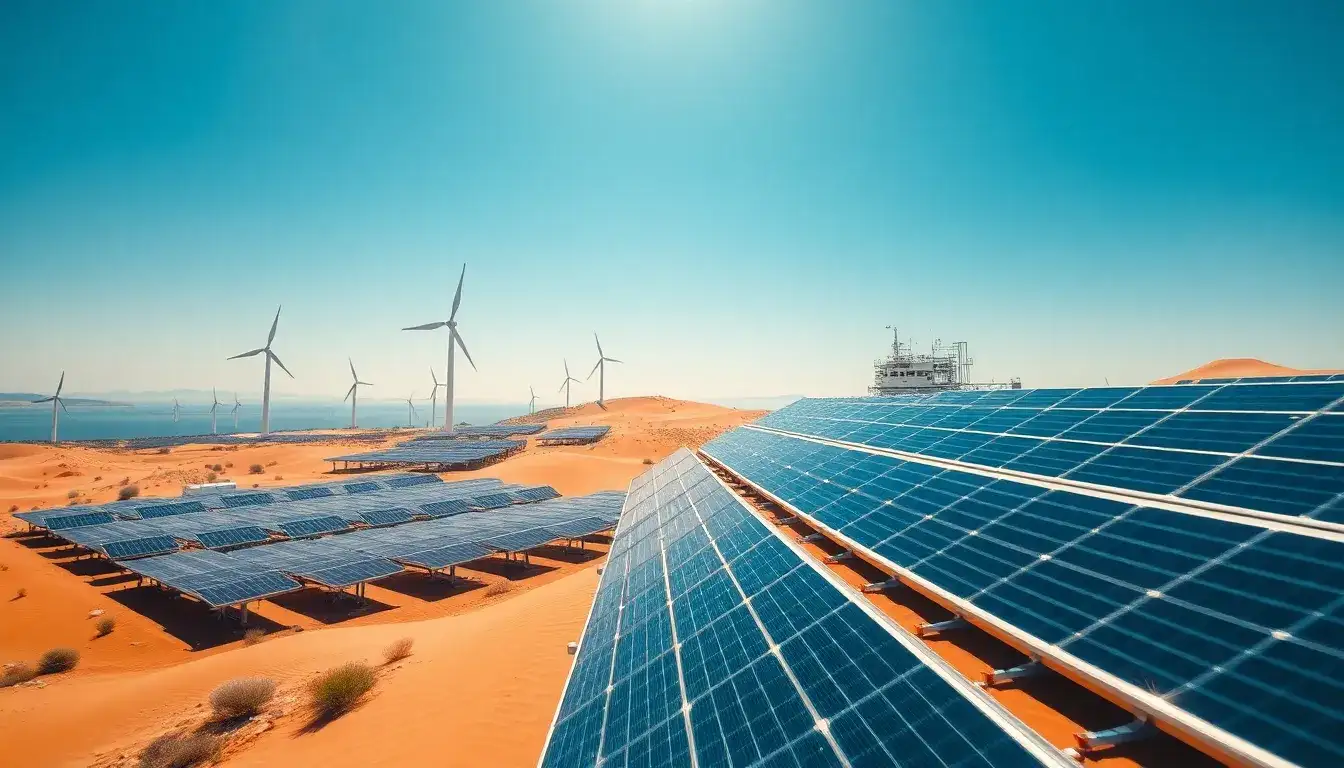
According to the report, the NEA will encourage local governments to explore renewable energy hydrogen production scenarios, including deep-sea and desert areas, while guiding the innovative integration of coal chemical processes with renewable energy hydrogen production. The administration will actively promote the large-scale application of clean, low-carbon hydrogen in industries such as metallurgy, synthetic ammonia, synthetic methanol, and refining. Furthermore, it aims to advance hydrogen energy applications in inter-regional transportation scenarios and increase support for the first applications of innovative technologies.
The NEA stated that hydrogen energy will be deployed as an important component of future energy strategies, with clear development tasks and corresponding support measures. The agency will promote research on local consumption pricing mechanisms for new energy power generation, aligning closely with the construction of a new energy system. This will gradually enable hydrogen energy projects to participate in the electricity market and enhance the power system’s adjustment capabilities. Strengthening coordinated industrial development across regions will be crucial, and localities are encouraged to establish hydrogen energy development coordination mechanisms, improve supportive measures for industrial development, and create standardized management processes for hydrogen energy projects, ensuring a proactive and orderly deployment of the hydrogen energy industry.
Hydrogen energy has been identified as a cutting-edge emerging industry in the government’s 2024 work plan and is included in the “Energy Law of the People’s Republic of China,” which emphasizes the need to actively and orderly promote hydrogen energy development and utilize it for high-quality industrial growth. According to the report, by the end of 2024, over 560 special hydrogen energy policies will have been issued nationwide to facilitate localized hydrogen energy industry growth.
Regions such as Shandong, Shaanxi, Jilin, Sichuan, Hubei, and Ordos in Inner Mongolia, along with Lüliang in Shanxi, have introduced measures to reduce toll fees for hydrogen vehicles. Additionally, provinces like Hainan, Inner Mongolia, Anhui, and Hunan have proposed projects for exploring renewable energy electrolysis for hydrogen production in non-chemical industrial zones. Shanghai, leveraging its strategic position as an important international port, has launched a plan to promote a green transition in international shipping fuels, focusing on the establishment of a green hydrogen fuel supply, trading, and certification system.
In 2024, China is expected to produce and consume over 36.5 million tons of hydrogen, ranking first globally. By the end of 2024, the cumulative capacity of global renewable energy hydrogen production projects is projected to exceed 250,000 tons per year, with China accounting for over 50% of this capacity, solidifying its role as a leader in the development of renewable energy hydrogen and related industries. According to Xu Jilin, Deputy Director of the NEA’s Energy Conservation and Technology Equipment Department, the northern regions of China will contribute more than 50% of the hydrogen production, with Inner Mongolia, Shanxi, Shaanxi, and Ningxia leading in output.
As of the end of 2024, more than 600 renewable energy electrolysis hydrogen production projects have been planned nationwide, with over 150 projects either completed or under construction, yielding a combined capacity of approximately 125,000 tons per year, primarily concentrated in the northwest and north-central regions, which together account for nearly 90% of the total capacity. Additionally, several exemplary demonstration projects have been successfully implemented, showcasing effective models for hydrogen energy applications. For instance, a renewable energy hydrogen production project with a capacity of 20,000 tons per year has been established in Kuqa, Xinjiang, while the Ningdong Carbon Reduction Demonstration Zone in Ningxia has successfully integrated renewable hydrogen into coal-based synthetic ammonia facilities, completing the entire process from hydrogen production to storage, transportation, and utilization.
However, Xu Jilin acknowledged that the global hydrogen energy industry is still in its early stages of development. Compared to traditional energy and other renewable energy sources like wind and solar, there are three main challenges: first, economic viability remains an issue. Although there has been a rapid increase in the number of planned large-scale renewable hydrogen production projects, the technology and operational standards still lag behind traditional methods, resulting in slow implementation and exploration of diverse scenarios. Second, there is a shortfall in technological maturity. Some hydrogen energy technologies and applications are not yet commercialized, hindering breakthroughs in economic viability. Third, standards and regulations need further refinement. The standards for hydrogen energy require improvements in areas such as policy coordination, synchronous industrial development, implementation, and international alignment.
In response, the NEA will focus on several key initiatives: first, enhancing policy supply within the 14th Five-Year Plan for energy, promoting a scientific layout of hydrogen energy projects and industries, and supporting the coordinated development of the entire hydrogen energy supply chain. Second, accelerating technological innovation by strengthening support for energy technology innovation platforms, addressing technological challenges, and promoting integrated application demonstrations to deepen the fusion of technology and industry. Third, optimizing project management by encouraging localities to establish comprehensive management systems for hydrogen energy projects and continuously improving standards and certification systems for the hydrogen energy industry. Fourth, deepening international cooperation to effectively utilize both domestic and international markets and resources, fostering open development of the hydrogen energy industry within frameworks like the Belt and Road Initiative, APEC, and BRICS.
Original article by NenPower, If reposted, please credit the source: https://nenpower.com/blog/chinas-energy-administration-promotes-renewable-hydrogen-production-in-offshore-and-desert-regions/

