

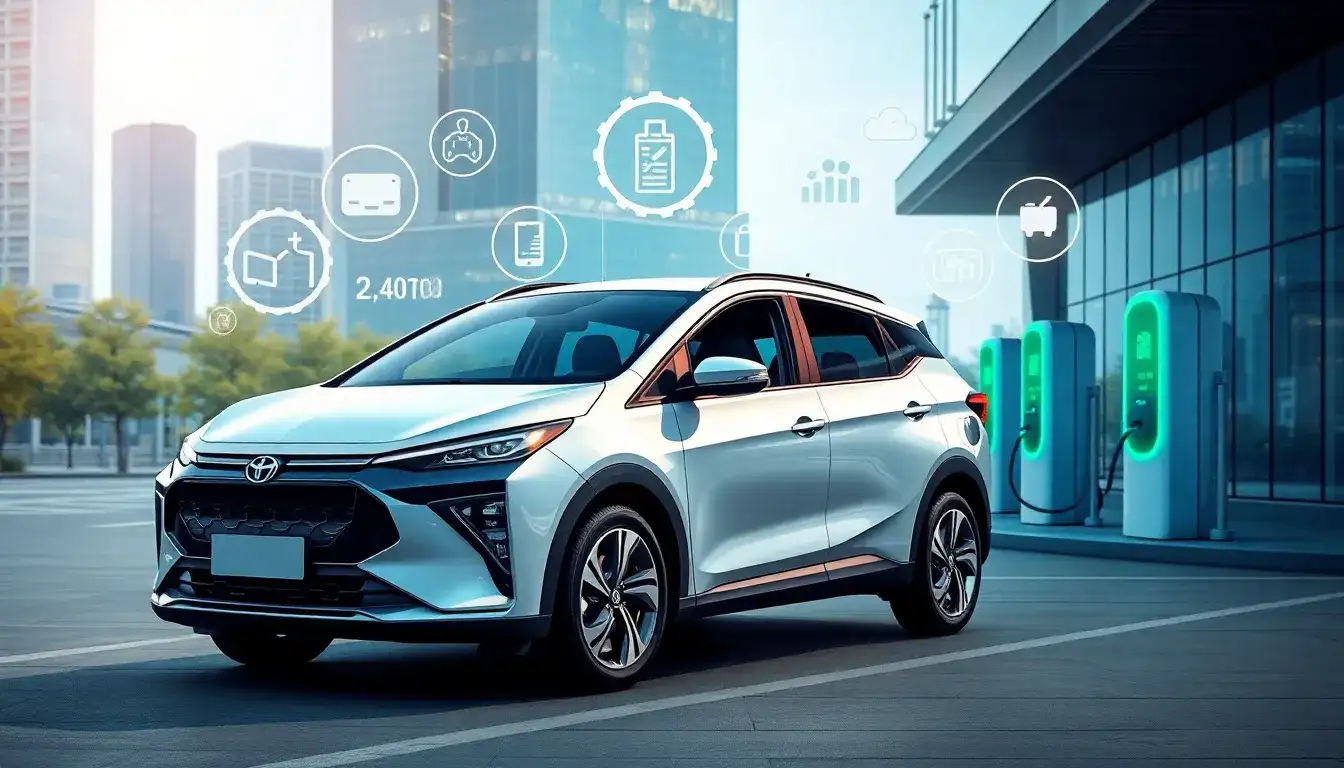
Electric vehicles (EVs) have reached a new level of energy efficiency, backed by the latest verification results. On April 10, 2025, the Chinese automotive energy efficiency development and testing certification organization officially released the rankings of 12 pure electric passenger vehicles based on their energy efficiency evaluation. This evaluation focused on several key criteria, including vehicle energy consumption, power system efficiency, aerodynamics, and energy recovery capabilities.
Among the models evaluated, renowned vehicles such as the BYD Han EV, Volkswagen ID.3, Volkswagen ID.4X, Volkswagen ID.7 VIZZION, SAIC Roewe RX5, SAIC Roewe 7X, Geely L60, Changan A07, Li Auto MONA M03, and Li Auto P7+ achieved the “first-level energy efficiency” certification, exceeding the benchmark by over 90%.
In terms of energy efficiency classification for 2025, the initial results reveal that the energy efficiency of first-level vehicles is about one-tenth that of traditional fuel vehicles. Meanwhile, the certification process aims to encourage improvements in energy efficiency through advanced technologies.
The energy efficiency certification organization, supported by the Chinese automobile industry association, plans to establish a comprehensive evaluation system for future models. This initiative is critical for ensuring the continued advancement of high-quality automotive products and technologies.
Looking ahead, the national development and reform commission plans to launch the “2024-2025 Carbon Reduction Action Plan” in May 2024. This plan will outline accelerated energy efficiency standards, aiming for a 5% reduction in carbon emissions from transportation and logistics compared to 2020 levels.
Under the guidance of the national market supervision administration and the China automobile industry association, the energy efficiency certification will begin on September 3, 2024. The focus will be on promoting energy-efficient technologies and certifications, thereby enhancing the quality and performance of electric vehicles.
According to experts’ calculations, using 6,000 pure electric vehicles could save approximately 286,652.8 GWh of electricity annually, equivalent to the yearly consumption of about 7,962 million households. This would significantly reduce CO2 emissions by around 15,381.6 million tons, generating an environmental benefit comparable to that of five large forests.
Overall, the energy efficiency certification is set to enhance the development of hybrid electric vehicles and commercial vehicles, while future evaluations will focus on building a robust industry chain for sustainable automotive production.
For more detailed insights and statistics, you can explore the Sina Finance App.
Original article by NenPower, If reposted, please credit the source: https://nenpower.com/blog/chinas-electric-vehicles-achieve-efficiency-certification-as-industry-standards-evolve/

