

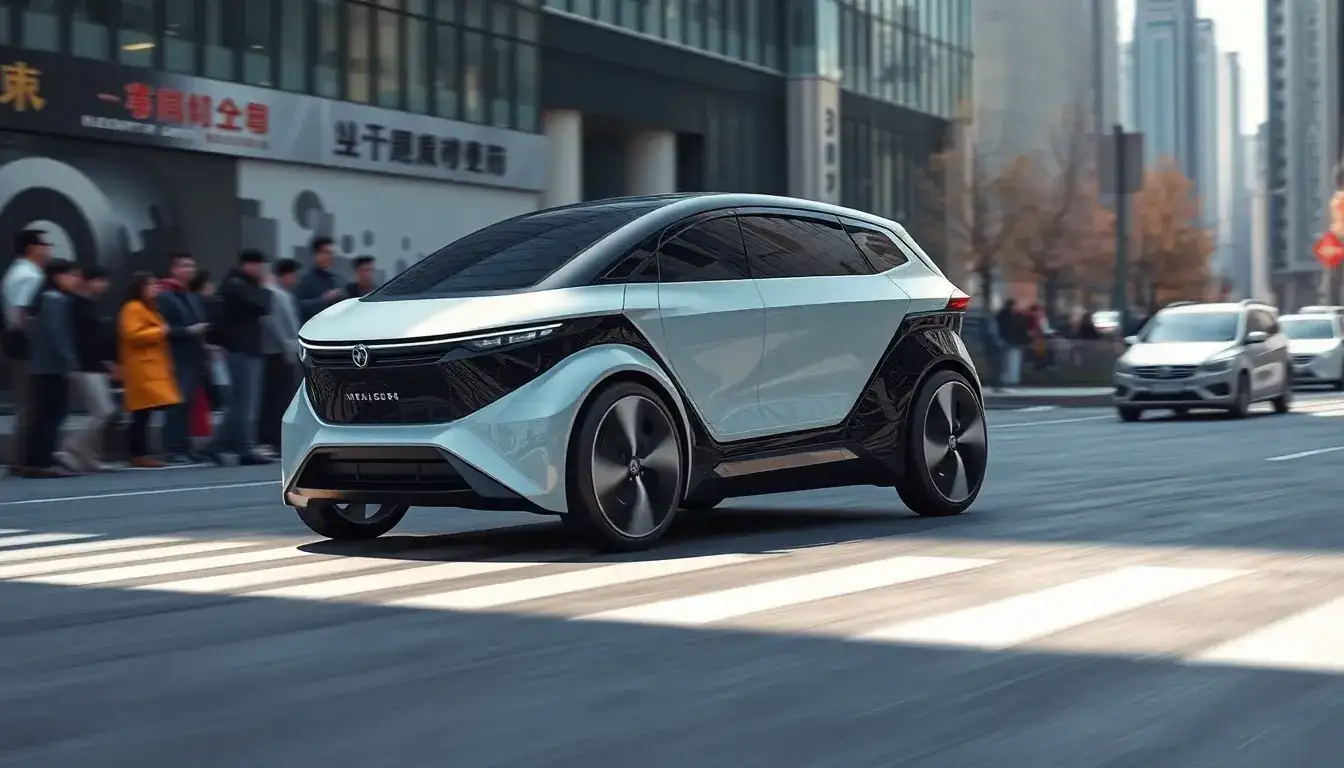
Recently, a video circulating on Chinese social media showcased a controversial technology dubbed the “battery ejection fire prevention system.” This system is designed to address a significant safety issue in the automotive industry: the challenge of extinguishing fires caused by electric vehicle batteries. In the video, an SUV is shown ejecting its entire battery pack a distance of 3 to 6 meters when it detects overheating or thermal runaway, aiming to prevent explosions caused by battery fires.
This dramatic demonstration has sparked intense discussions among international media and experts, with many commentators suggesting that this isn’t a breakthrough in safety but rather a recipe for another kind of accident.
The footage depicts an SUV suddenly launching a large battery module, accompanied by plumes of smoke. On-site safety personnel quickly cover the battery with a fire blanket and arrange for a cushioned landing. According to reports from Chinese media, the technology operates similarly to an airbag, activated by sensors at the moment a danger is detected, propelling the battery out of the vehicle.
Supporters argue that this could protect passengers from the dangers of battery fires. However, critics question the practicality of such an approach, noting that the ejected battery weighs several hundred kilograms. If it were to land on a moving vehicle, pedestrians, or buildings, the consequences could be dire. Additionally, real-life accidents often involve vehicle deformation, raising doubts about the system’s reliability in those situations.
In response to the uproar, iCAR, a brand associated with the prototype vehicle that resembled the iCAR 03T, quickly issued a statement on social media, clarifying that the project was not affiliated with them and urging a rational perspective on the matter. Media outlets also mentioned Joyson Group’s potential involvement, but the company later denied any collaboration.
Experts have criticized the concept, labeling it a public relations stunt rather than a viable solution. International automotive commentators believe that true advancements should focus on enhancing battery structural safety and crash resistance, rather than converting potential hazards into “flying bombs” on the road. In summary, while the demonstration has garnered attention, its practical application remains highly unlikely. The electric vehicle industry must prioritize improving battery safety design at its source, rather than relying on ejection systems as a stopgap measure.
Original article by NenPower, If reposted, please credit the source: https://nenpower.com/blog/chinas-controversial-electric-vehicle-ejector-battery-design-sparks-debate-and-clarifications-from-icar/

