

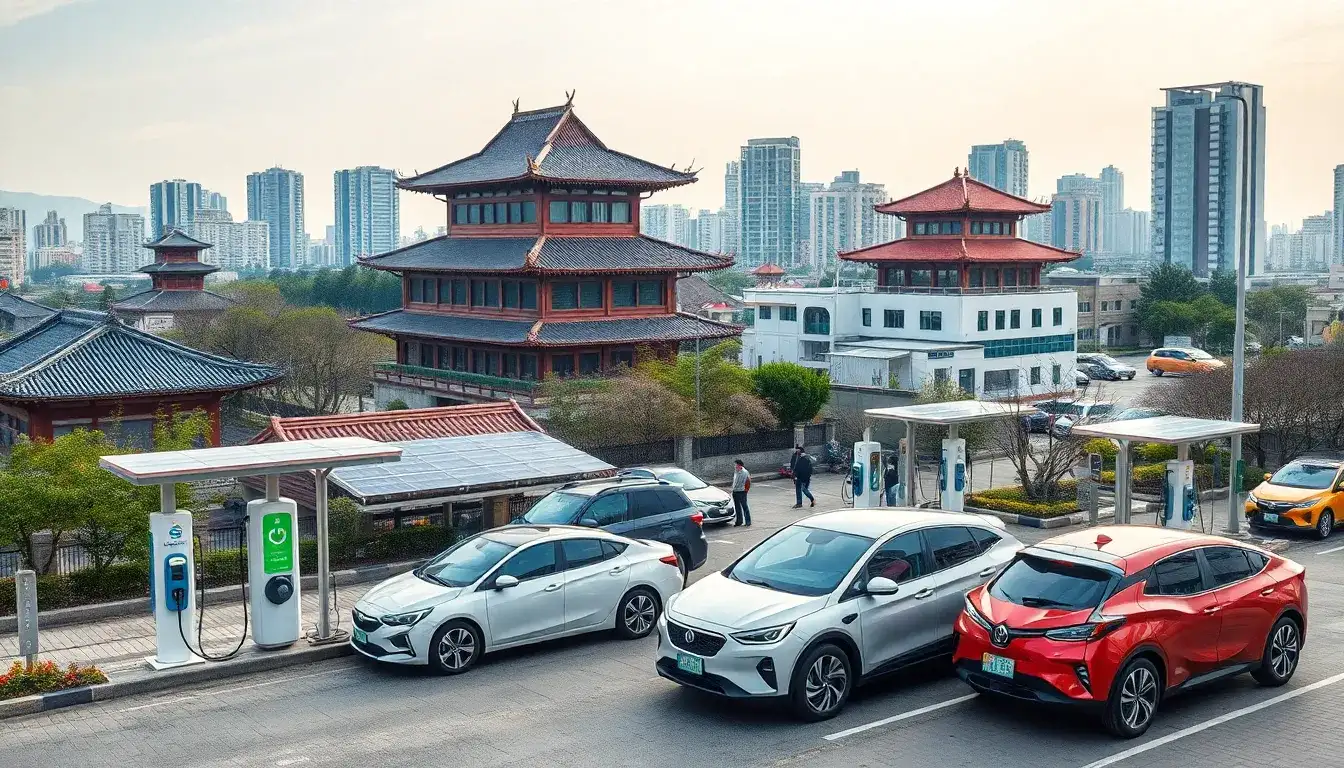
The new energy vehicle industry is facing various structural challenges, particularly in the context of electric vehicle (EV) charging infrastructure. As the sector grows, experts anticipate significant hurdles ahead.
On May 16, 2025, during the China Electric Vehicle Association conference held at Tsinghua University, it was noted that there are currently over 800,000 electric vehicles in the United States and 600,000 in Europe, while China has a target of exceeding 200,000. The Chinese automotive market is still in a rapid growth phase, with considerable potential for expansion. However, the development of charging infrastructure remains a critical challenge.
For electric vehicles, the demand for charging facilities is foundational. The industry must strive to meet the basic requirements for charging infrastructure to ensure seamless user experience. The focus should not only be on increasing the number of charging stations but also on enhancing the charging efficiency and integration of technologies that can better serve consumers.
In response to these challenges, the industry is making strides in establishing a robust framework for new energy vehicles. The government is expected to support the development of charging infrastructure through policies aimed at ensuring the availability and accessibility of these facilities.
By March 2025, projections indicate that the number of charging stations in China will reach approximately 137.49 million, representing a growth of 47.6% compared to previous years. Among these, 39 million will be dedicated to public charging, while 98.49 million will cater to private needs.
Despite the growing number of electric vehicle users, the charging infrastructure still lacks comprehensive solutions. The industry must prioritize not just the quantity of charging stations, but also their strategic placement and technological advancements to optimize energy use. A collaborative approach involving various stakeholders will be vital to address current inadequacies.
The potential for rapid growth in the electric vehicle sector is evident, yet experts emphasize that addressing the existing challenges is paramount. The energy supply must be stable to ensure the smooth operation of the growing network of charging stations.
In essence, experts highlight the need for a unified approach to develop a sustainable energy supply and infrastructure that can keep pace with the burgeoning demand for electric vehicles. The goal is to create an efficient, accessible charging network that can support the continued growth of the new energy vehicle market.
Original article by NenPower, If reposted, please credit the source: https://nenpower.com/blog/challenges-and-innovations-in-chinas-electric-vehicle-charging-infrastructure-development/

