

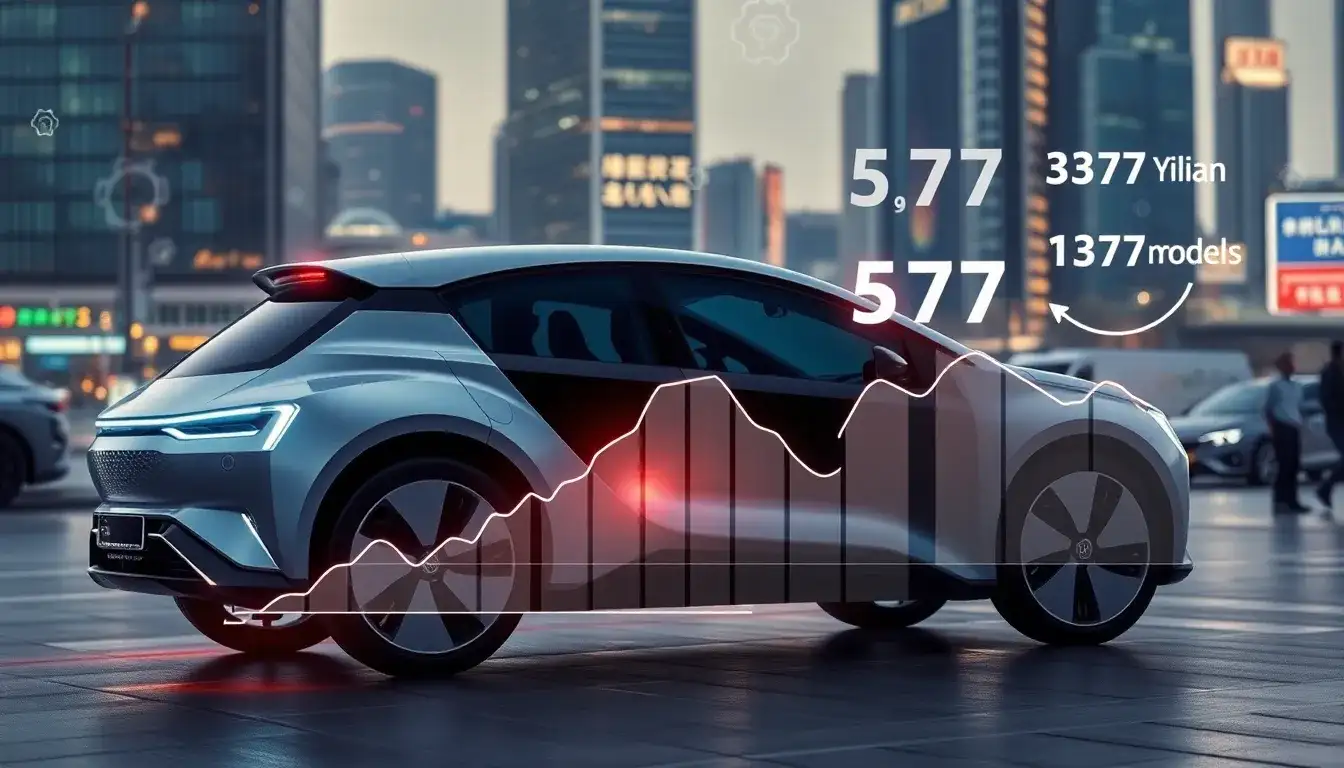
The future of new energy vehicle insurance appears to be concerning. In 2024, the underwriting losses for new energy vehicle insurance are projected to reach 5.7 billion yuan, with 137 vehicle series reporting a claims payout rate exceeding 100%.
In the realm of property insurance, auto insurance has always held significant importance and is a key battleground for major insurance companies. In recent years, the booming new energy vehicle industry has led to a rapid growth in new energy vehicle insurance, correlating with soaring sales of these vehicles. Data shows that in 2024, the insurance industry in China will underwrite 31.05 million new energy vehicles, generating premium income of 140.9 billion yuan and providing risk coverage amounting to an astonishing 106 trillion yuan.
When discussing “insurance losses,” it is essential to delve into the vehicle post-market, a field rife with irregularities often likened to a black market. For instance, the cost difference between replacing headlights—either by purchasing parts personally or through insurance claims at authorized dealerships—is staggering, sometimes exceeding tenfold. A headlight purchased online typically costs between 1,000 to 2,000 yuan, including installation fees, while insurance claims for repairs at dealerships can amount to over 30,000 yuan. This kind of profit margin raises serious questions about the industry’s practices. Ultimately, the insurance companies bear the brunt of these inflated costs.
Examining new energy vehicle insurance reveals that losses are widespread. Currently, insurance profits from auto policies largely depend on the “blood transfusion” from traditional fuel vehicle operations. Among the 2,795 vehicle series insured, approximately 4.9% have a claims payout rate exceeding 100%. However, in the new energy vehicle segment, the situation is even more dire. For new energy passenger vehicles with sales exceeding 10,000, the proportion of loss-making vehicle series skyrockets to 32.9%, and for new energy trucks with sales over 5,000, the figure is as high as 69.1%. Clearly, the better-selling new energy vehicle series are more likely to incur losses.
For example, one owner reported that a seemingly minor accident involving their 110,000 yuan Qin L resulted in a damage assessment of 15,000 yuan, despite only a bump to the trunk and no damage to critical components. The dealership claimed that this was a discounted price, originally set at 17,000 yuan. With such exorbitant damage assessments, it is no wonder that insurance companies are struggling with losses. Over time, insurance costs for new cars will naturally escalate, ultimately passing the burden onto consumers, allowing dealerships to profit substantially.
Currently, many new energy vehicle manufacturers have unfavorable terms for consumers. For instance, BYD’s warranty policy clearly states that factors such as not being the first owner, failing to complete certification on the official app, changing vehicle use, not adhering to maintenance requirements, and using non-original parts will affect lifetime warranty eligibility. Even seemingly unrelated components, such as wipers or screws, can lead to warranty voiding. This was unimaginable during the fuel vehicle era, where any repair shop could service various brands of fuel vehicles.
Moreover, a recent incident in the new energy vehicle insurance sector raised eyebrows. Reports circulated on social media about Xiaomi SU7 owners facing denial of insurance coverage or significant premium increases, along with purported insurance company rejection notices. Rumors claimed that the SU7’s accident rate was several times higher than comparable models, casting a shadow over the new energy vehicle insurance market. However, Xiaomi quickly refuted these claims through an official statement on April 7, confirming that the rejection notices were forged. They had verified with major insurers, including PICC, Ping An, and China Pacific, and categorized the rumors as unfounded. These insurers also denied any rejection policies for the SU7, emphasizing that the new energy vehicle insurance application process was normal.
This incident likely stemmed from a few high-risk cases due to driver behavior being exaggerated, coupled with the dissemination of forged documents that led to public uproar. In light of these challenges, how can the situation be improved? One approach involves regulatory bodies strengthening oversight of the vehicle post-market, standardizing repair pricing, and severing unreasonable profit chains to return insurance payouts to actual costs. Additionally, new energy vehicle manufacturers must take responsibility. While advancements in smart driving are a focus, enhancing the proactive safety features of vehicles is crucial. Recent discussions surrounding the Aion vehicle’s control issues highlight the need for vehicles equipped with cameras and sensors to better identify surroundings and effectively implement emergency braking.
If, in the future, new energy vehicles can indeed be made as safe as suggested, significantly reducing traffic accidents would not only enhance driver safety but also alleviate the financial pressures on insurance companies, allowing for potential premium reductions. Achieving a win-win scenario for consumers, vehicle manufacturers, and insurers requires collaborative efforts across the industry chain to reshape a healthy and sustainable development ecosystem.
Original article by NenPower, If reposted, please credit the source: https://nenpower.com/blog/challenges-ahead-for-new-energy-vehicle-insurance-projected-losses-of-5-7-billion-yuan-in-2024-with-over-137-models-facing-100-plus-claim-rates/

