

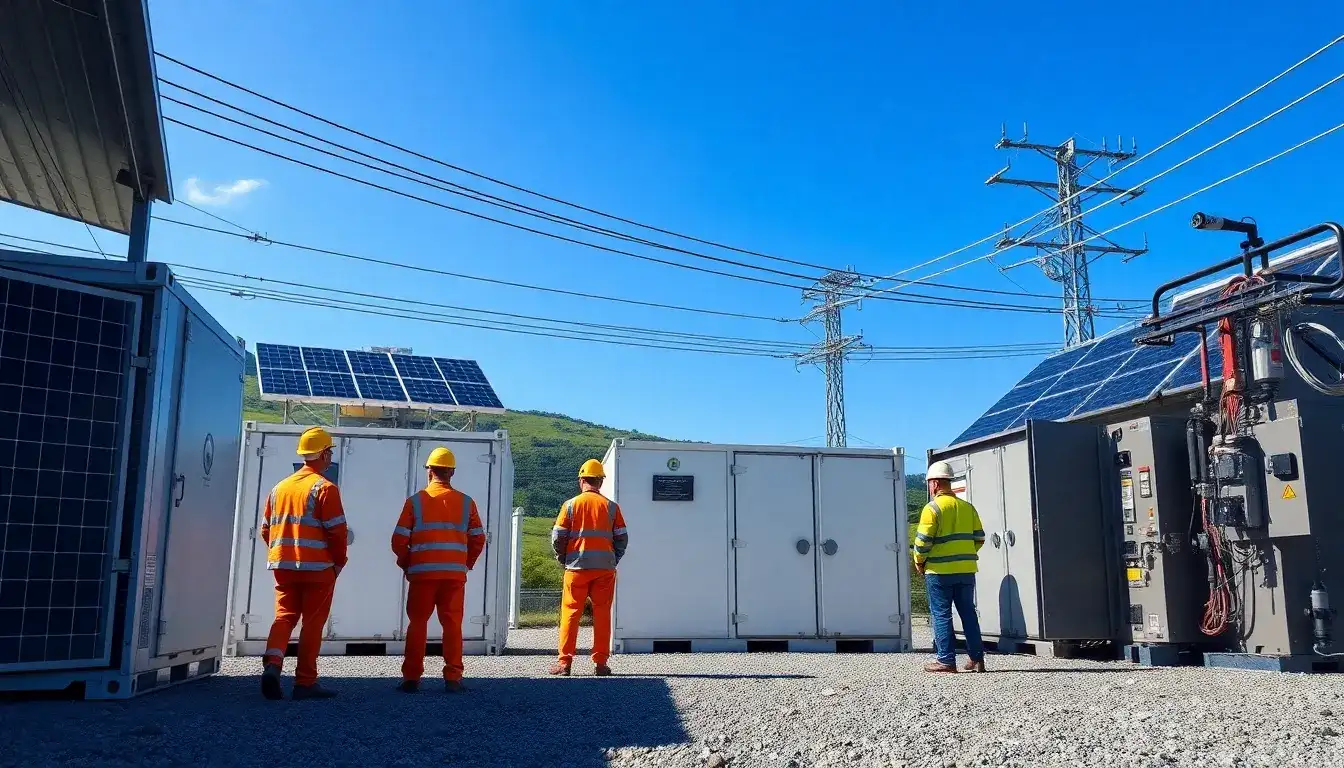
The Central Electricity Authority (CEA) has recently published draft safety and electrical supply guidelines for Battery Energy Storage Systems (BESS). These guidelines, which can be accessed on the Mercom India website, address critical aspects such as battery chargers, fault tolerance, fire safety protocols, battery management systems (BMS), power conversion systems, and cooling mechanisms. Stakeholders are encouraged to provide feedback on these proposed guidelines by July 20, 2025.
Key safety provisions outlined in the draft include:
Battery Chargers and Fault Tolerance: Chargers must be specifically designed to match the battery chemistry. The BESS is required to have a two-fault tolerance design, which allows it to either continue safe operation or securely shut down even after two independent faults. This robust protection is crucial for conditions such as overcharging, over-discharging, short circuits, and operation outside specified temperature ranges.
Fire and Explosion Safety: Comprehensive safety measures are necessitated at all levels, including individual cells, modules, containers, and the overall site installation.
Battery Management System (BMS): The BMS plays a vital role in monitoring and recording essential parameters such as voltage, temperature, current, and thermal runaway at both cell and module levels. It must activate visual and audio alarms if any parameter exceeds manufacturer specifications and automatically stop charging/discharging if temperature limits are breached.
Power Conversion System: This system should support fully automatic and unattended operation, including seamless grid synchronization and self-protection against component failures or abnormal conditions.
Cooling Systems: Coolant lines must be securely routed to prevent leaks near live electrical components. Any failure in the dielectric fluid cooling system should not lead to leakage that could cause cell short circuits or create hazardous conditions within the battery pack.
Battery Container Design: Containers must be explosion-proof and equipped with a forced ventilation system with automated louvers to safely release flammable gases while maintaining internal pressure. They must also adhere to relevant standards for ingress protection and walk-in arrangements.
Equipment Location: A minimum distance of 7.5 meters is mandated between battery containers and the nearest exterior wall or roof overhang. If this distance cannot be achieved, large-scale fire testing is required. Additionally, a 3-meter separation between battery containers is necessary, or alternatively, large-scale fire testing and a two-hour fire-resistance rating for external walls must be conducted. Noise reduction measures are also necessary in densely populated or critical infrastructure areas.
Ventilation: Each battery container must have systems in place to regulate the concentration of combustible materials and ensure adequate ventilation and cooling to prevent overheating. The system should automatically shut down if mechanical ventilation fails.
Hazard Detection and Suppression: BESS must incorporate actively monitored systems for detecting smoke, gas, heat, and flame. Containers with a capacity of 200 kWh or more must be equipped with an automatic water-based fire suppression system.
Other Measures: Provisions for electrolyte spill containment, emergency lighting in enclosed areas, 1.8-meter high fencing to prevent unauthorized access, and surveillance systems (CCTV, motion sensors, alarms) are also included. If a safety issue or anomaly is detected, the affected part of the system must shut down within a specified timeframe, and manual emergency stop mechanisms are required. Furthermore, an independent third-party fire safety audit is mandatory for each installation, with the report to be submitted to the Electrical Inspector. The government is also tasked with ensuring that fire safety personnel receive specialized training for BESS fire risks, with training guidelines to be issued by the Directorate General of Fire Safety within three months of the regulations’ notification.
Original article by NenPower, If reposted, please credit the source: https://nenpower.com/blog/central-electricity-authority-unveils-draft-safety-regulations-for-battery-energy-storage-systems/

