The Central Electricity Authority (CEA) has issued the Draft Central Electricity Authority (Measures relating to Safety and Electric Supply) (First Amendment) Regulations, 2025, which present a series of new safety requirements specifically tailored for Battery Energy Storage Systems (BESS). These regulations are designed to enhance safety standards in response to the increasing integration of BESS within India’s power sector. The draft is currently open for public feedback.
The proposed amendments will introduce a new Chapter X-A entitled “Additional Safety Requirements for Battery Energy Storage Systems (BESS)” to the existing safety and electric supply regulations. This chapter will apply to all BESS installations in addition to the current general safety norms.
### Key Definitions
– **Battery Energy Storage Systems (BESS)**: Defined as systems connected to the power grid that store electrical energy using electrochemical materials. These systems typically include batteries, power conversion systems, and battery management systems.
– **Battery Management System (BMS)**: A system that manages battery operations for safety, energy balancing, and status monitoring.
– **Power Conversion System (PCS)**: The integrated system comprising inverters, rectifiers, controllers, and related power electronics for AC/DC conversion in a BESS.
### Highlights of Proposed Safety Requirements for BESS
The draft regulations propose a comprehensive set of safety measures, including:
– **General Safety Considerations**: Chargers must be tailored to specific battery chemistries, and battery systems should incorporate two-fault tolerance to avert catastrophic failures caused by overcharging, over-discharging, or short circuits. Testing must adhere to relevant standards, and substantial fire and explosion protection must be established at all levels—cell, module, container, and site.
– **Monitoring and Control**: The BMS must continuously monitor and log voltage, temperature, current, and thermal runaway occurrences, activating alarms and stopping charging/discharging if parameters exceed original equipment manufacturer (OEM) specifications. The PCS should operate fully automatically and unattended, featuring self-protective and diagnostic capabilities.
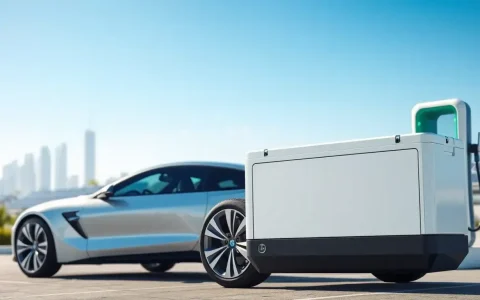
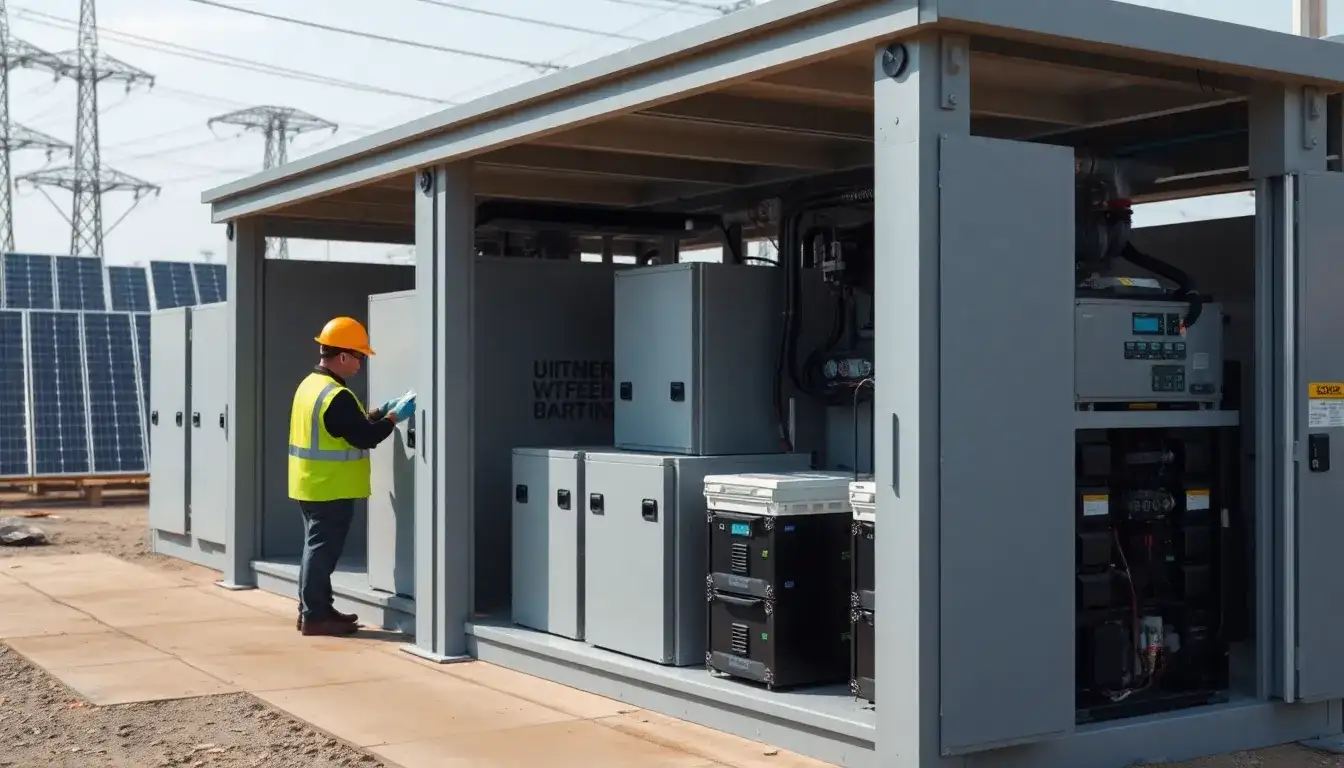
– **Battery Container Design**: Containers must be explosion-proof, equipped with forced ventilation, automated louvers for releasing flammable gases, and comply with ingress protection standards.
– **Equipment Location**: A minimum distance of 7.5 meters must be maintained from the nearest exterior wall or roof overhang for battery containers, with a 3-meter separation between containers. Any deviations require Large Scale Fire Testing (LSFT) for safety validation, and external container walls must have a minimum two-hour fire resistance.
– **Ventilation**: Adequate ventilation and cooling systems are essential to prevent overheating and limit flammable material concentration, with automatic shutdown activated upon mechanical ventilation failure.
– **Hazard Detection and Suppression**: BESS installations must be equipped with smoke, gas, heat, and flame detection systems. Containers with a capacity of 200 kWh or more must have water-based automatic fire suppression systems.
– **Other Requirements**: The regulations include provisions for electrolyte spill containment, emergency lighting and signage, as well as robust security systems such as fencing, CCTV, motion sensors, and alarms. Independent third-party fire safety audits for BESS installations are mandatory, with a Standard Operating Procedure (SOP) to be provided by the Authority within three months. Additionally, relevant governments must ensure that Fire Safety officials receive training on BESS-specific fire risks, with guidelines for this training to be issued by the Directorate General of Fire Safety (DGFS) within three months.
The complete draft regulations are available on the CEA website. Interested individuals can also review the regulations at the office of the Chief Engineer (Legal), Sewa Bhawan (North Wing), Room No. 622, 6th Floor, R. K. Puram, New Delhi-110066, on any working day until July 20, 2025, from 11:00 hrs to 16:00 hrs. All stakeholders and the public are encouraged to submit their comments on the draft regulations to the Chief Engineer (Legal) via the provided postal address or by email at celegal-cea@gov.in by July 20, 2025. The CEA will consider all feedback before finalizing and implementing these critical safety measures.
Original article by NenPower, If reposted, please credit the source: https://nenpower.com/blog/central-electricity-authority-proposes-new-safety-regulations-for-battery-energy-storage-systems-in-india/