

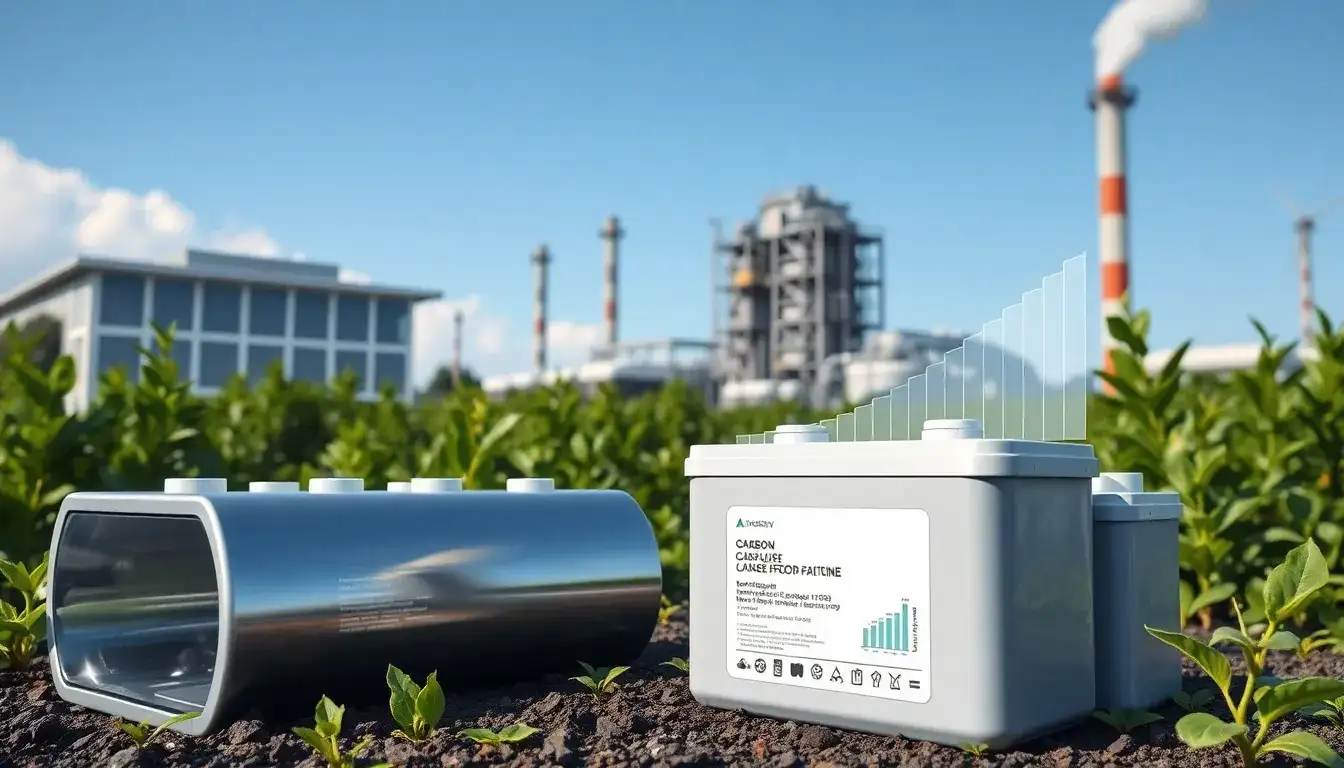
Carbon Weekly Report: Lithium Battery Pathways (Carbon Report Issue 148)
Date: May 30, 2025, 17:07
Policy Acceleration: On May 29, 2027, the carbon emission rights and water rights trading system will be fundamentally revised according to the guidelines set by the State Council. The plan aims to enhance the management of carbon emissions and water usage, establishing a comprehensive framework for market-based resource allocation.
By 2027, the carbon emission rights and water rights trading system will be fundamentally regulated. The adjustments will focus on enhancing market mechanisms to optimize resource allocation, supporting the overall carbon reduction goals while promoting sustainable development.
Production Environment: Accelerated implementation of carbon emission reduction strategies is essential. The emphasis will be on integrating environmental regulations with economic policies to drive the sustainable energy agenda. The introduction of a more robust carbon accounting framework will support the transition towards clean energy.
On May 26, 2027, the third phase of carbon emission reduction strategies will be implemented, aiming to strengthen the management of carbon emissions across various sectors.
In the water sector, the planned capacity for hydropower plants will reach approximately 800,000 kW by May 28, 2025. The total capacity for new hydropower installations is expected to align with the national goals for clean energy output.
By 2025, the solar power generation capacity is anticipated to be around 2 billion kW, marking a significant increase in renewable energy production.
International Cooperation: The initiative for green energy cooperation across different regions, including Europe and Asia, aims to enhance collective efforts to combat climate change through shared technologies and resources.
On May 27, 2025, new green energy projects will be launched, targeting a collaborative approach to address the pressing environmental challenges.
In addition to hydropower and solar energy, the strategic development of lithium battery technologies is crucial for supporting the electric vehicle sector. The expected output for lithium batteries will increase significantly, with projections of up to 3.7 GWh by 2024, primarily aimed at energy storage and electric vehicle applications.
As the market for electric vehicles expands, the demand for efficient and sustainable lithium batteries will grow. The planned capacity for production facilities dedicated to lithium batteries will serve as a cornerstone for the country’s energy transition strategy.
Conclusion: The upcoming developments in the energy sector emphasize the necessity for innovation and collaboration. The focus on lithium battery production, alongside renewable energy sources, will play a pivotal role in shaping the future of sustainable energy in our country.
Original article by NenPower, If reposted, please credit the source: https://nenpower.com/blog/carbon-capture-and-the-future-of-battery-technology-insights-from-the-latest-carbon-report/

