

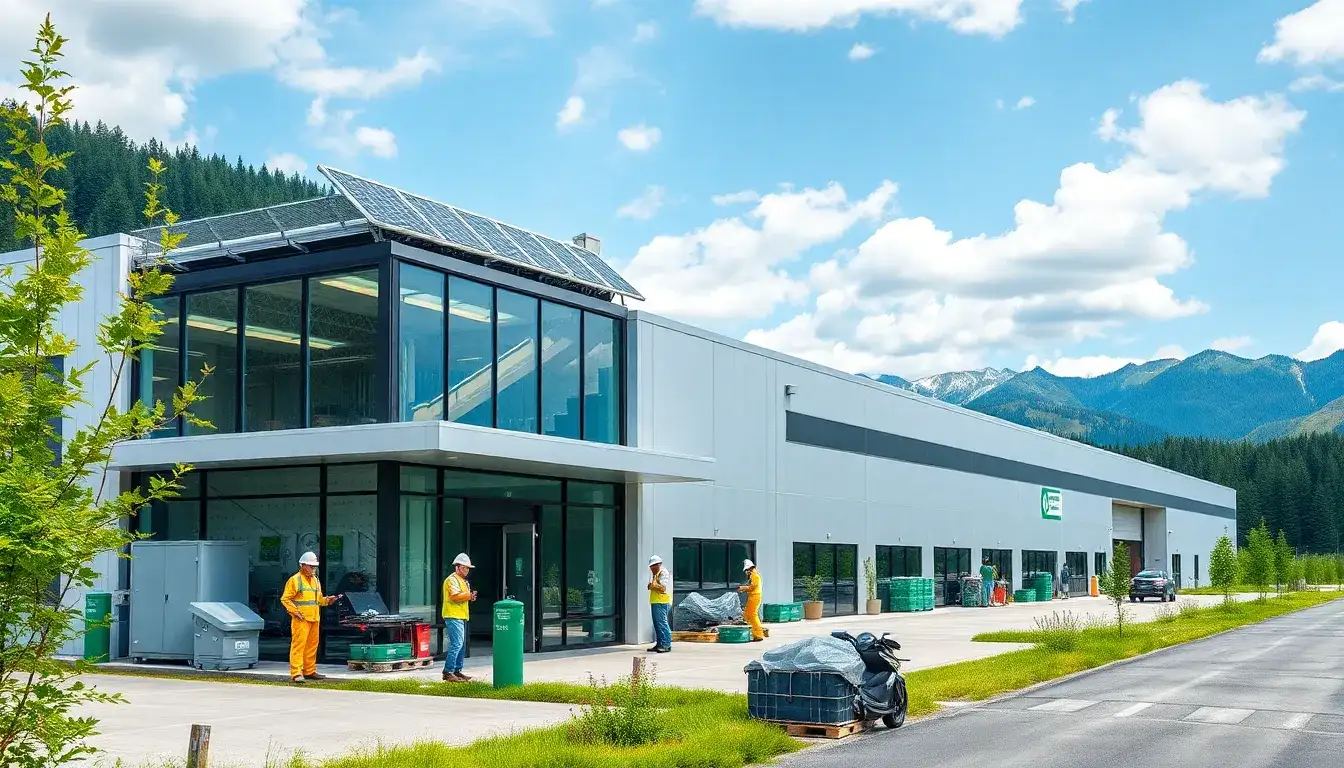
Electra Battery Materials has successfully completed a feasibility study for a new battery recycling plant aimed at addressing critical gaps in North America’s battery materials supply chain. Announced on June 5th, the Class 3 Engineering Study supports the construction of a modular recycling facility adjacent to its existing cobalt sulfate refinery. This project intends to recover high-value metals, including lithium, nickel, cobalt, manganese, and graphite, from both manufacturing scrap and end-of-life lithium-ion batteries. The recycling method relies on Electra’s proprietary hydrometallurgical process, which has been validated through extensive pilot programs. The company’s commercial plans are partially backed by funding from Natural Resources Canada.
### Strengthening Domestic Critical Minerals Processing
One of Electra’s key advantages is its integrated approach. The cobalt recovered from the recycling operation will feed directly into its cobalt sulfate refinery—one of the few permitted facilities of its kind in North America—already receiving financial support from Canadian and U.S. defense programs. This model minimizes the need to export strategic minerals for processing abroad, which currently poses a vulnerability in the battery materials ecosystem dominated by Asian refining capacities. As battery manufacturing increases across North America, this domestic capability is becoming increasingly vital for energy security.
In addition to electric vehicles, the plant’s output will serve markets such as military batteries, backup power systems, and advanced energy storage for grid stabilization—areas where reliability and resilience are crucial. The facility will process black mass, a powder derived from shredded batteries, using modular technology developed in collaboration with Singapore-based partner Green Li-ion. Enhancements made during this partnership provide Electra with proprietary advantages in the recycling process, allowing the company to create value beyond basic metals recovery.
### Indigenous Partnership Expands Supply Chain Control
Electra is also enhancing upstream supply chain integration through a joint venture with the Three Fires Group, an Indigenous economic development corporation. The Aki Battery Recycling partnership will oversee battery collection and shredding, ensuring a dedicated source of black mass for Electra’s plant. This collaboration offers multiple benefits: Indigenous communities gain access to long-term economic opportunities in the battery sector, while Electra strengthens domestic supply chain resilience and reduces dependence on imported black mass. The venture further supports responsible recycling practices that align with sustainability goals.
Supply chain diversification remains a strategic priority amid ongoing geopolitical risks. Establishing local preprocessing capabilities allows North American recyclers to lessen their exposure to foreign-controlled supply chains while enhancing transparency and traceability—both critical factors for automakers and battery OEMs facing increasing regulatory scrutiny.
### Market Outlook and Next Steps
Electra plans to present the recycling plant study to downstream partners, including battery manufacturers and OEMs, to validate the project’s scale and secure offtake agreements. Their feedback will influence final capacity decisions and project timelines. The company’s integrated refinery complex positions it as an early mover in North America’s limited battery recycling sector. While Asian markets currently dominate global capacity, regulatory trends and industrial policies in the U.S. and Canada are advocating for more local processing.
Original article by NenPower, If reposted, please credit the source: https://nenpower.com/blog/canadian-recycler-enhances-north-american-battery-supply-chain-with-new-facility/

