

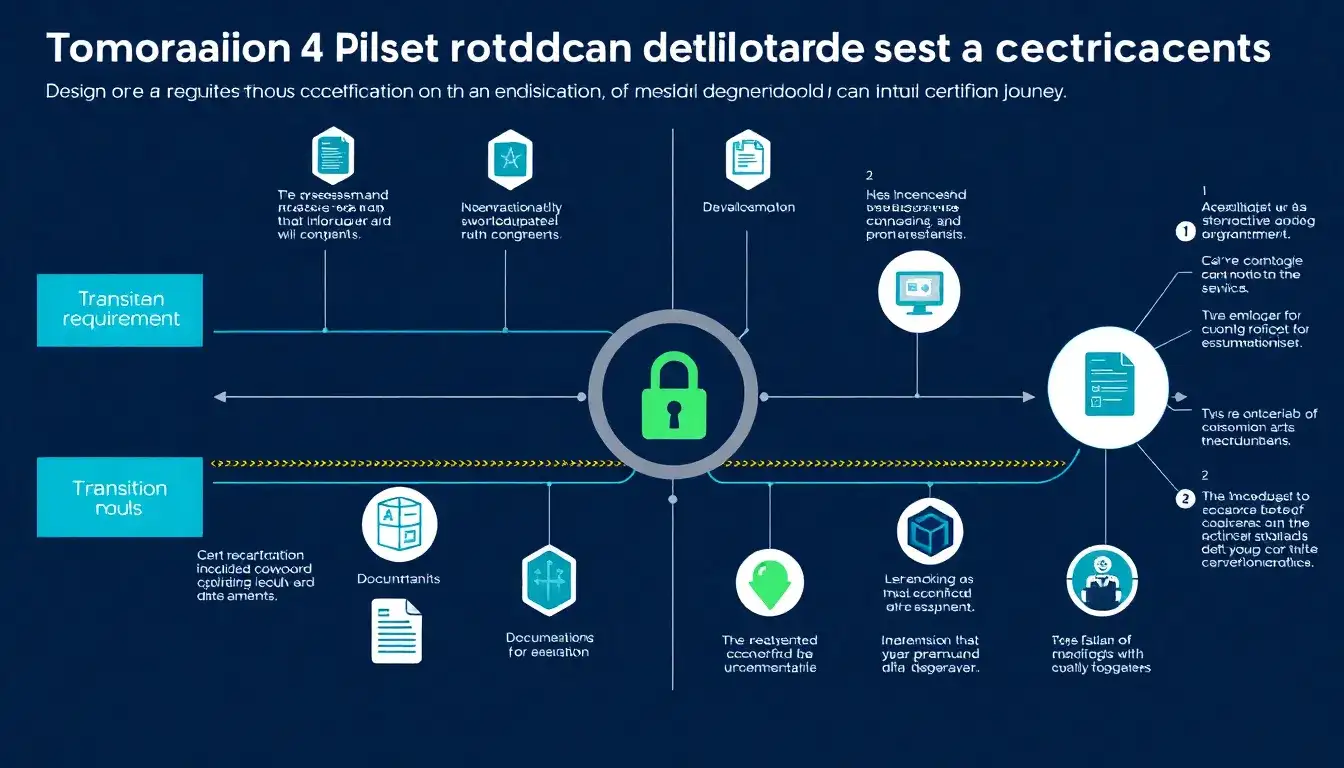
Transition plans and disclosure requirements are critical for entities aiming to reduce greenhouse gas emissions and align with a net-zero economy. These plans are essential for accessing capital, improving business efficiencies, and complying with regulatory demands. Below is a detailed overview of the key elements in transition plans and disclosure requirements:
Key Elements of Transition Plans
Transition plans are strategic documents that outline how entities aim to reduce their greenhouse gas emissions and contribute to a low-carbon economy. These plans typically include:
- Ambition: Clear objectives and targets for reducing emissions, particularly focusing on scope 1, 2, and 3 emissions. The ambition should align with net-zero targets and prioritize reducing CO2 emissions over offsetting them with carbon credits.
- Action: Concrete plans for achieving these objectives, including resource allocation, financial strategies, and operational changes. Action plans should detail key assumptions, dependencies, or uncertainties.
- Accountability: Governance structures, board-level oversight, and mechanisms for tracking progress and reporting annually. Metrics and targets must be quantifiable and have set deadlines.
Components of Transition Plans
1. Foundation
- Objectives and Priorities: Define the business model implications and how they relate to reducing greenhouse gas emissions.
- Risk and Opportunity Management: Assess and manage climate-related risks and opportunities.
- Key Milestones: Outline critical steps in the transition process.
2. Implementation Strategy
- Value Chain Activities: Detail current and planned activities across the entire value chain, which should align with strategic ambitions.
- Industry Engagement: Encourage collaboration to address common challenges and leverage expertise.
3. Metrics and Targets
- Disclosure: Annually report against quantifiable metrics, including GHG emissions and financial metrics, to track progress against strategic ambitions.
4. Governance
- Board Oversight: Ensure robust governance arrangements with clear responsibilities and accountability.
- Incentives and Remuneration: Align these with strategic climate ambitions to ensure a cohesive approach.
Disclosure Requirements for Transition Plans
Disclosure is essential for ensuring transparency and credibility in transition plans. Key disclosure requirements include:
- Regular Reporting: Entities should disclose their transition progress annually, using recognized metrics such as absolute or intensity GHG emissions.
- Standardized Frameworks: Use frameworks like the Transition Plan Taskforce (TPT) Disclosure Framework or CDP’s disclosure standards to ensure comparability and consistency.
- Third-Party Verification: Encourage third-party verification to enhance credibility and provide confidence to investors.
- Compliance with Regulations: Align disclosures with emerging standards and regulations, such as the EU’s Corporate Sustainability Reporting Directive (CSRD) and the IFRS S2 Standard.
Examples and Best Practices
- CDP: Disclosing through platforms like CDP enables standardized and comparable reporting. Repeat disclosers are more likely to provide sufficient details on their climate transition plans.
- TPT Framework: This framework provides a sector-neutral approach for best-practice transition plan disclosures, emphasizing ambition, action, and accountability.
Overall, creating a robust transition plan coupled with transparent disclosure practices is vital for entities aiming to demonstrate their commitment to reducing emissions and aligning with a net-zero future.
Original article by NenPower, If reposted, please credit the source: https://nenpower.com/blog/can-you-explain-the-transition-plan-and-disclosure-requirements-for-entities-seeking-certification/

