

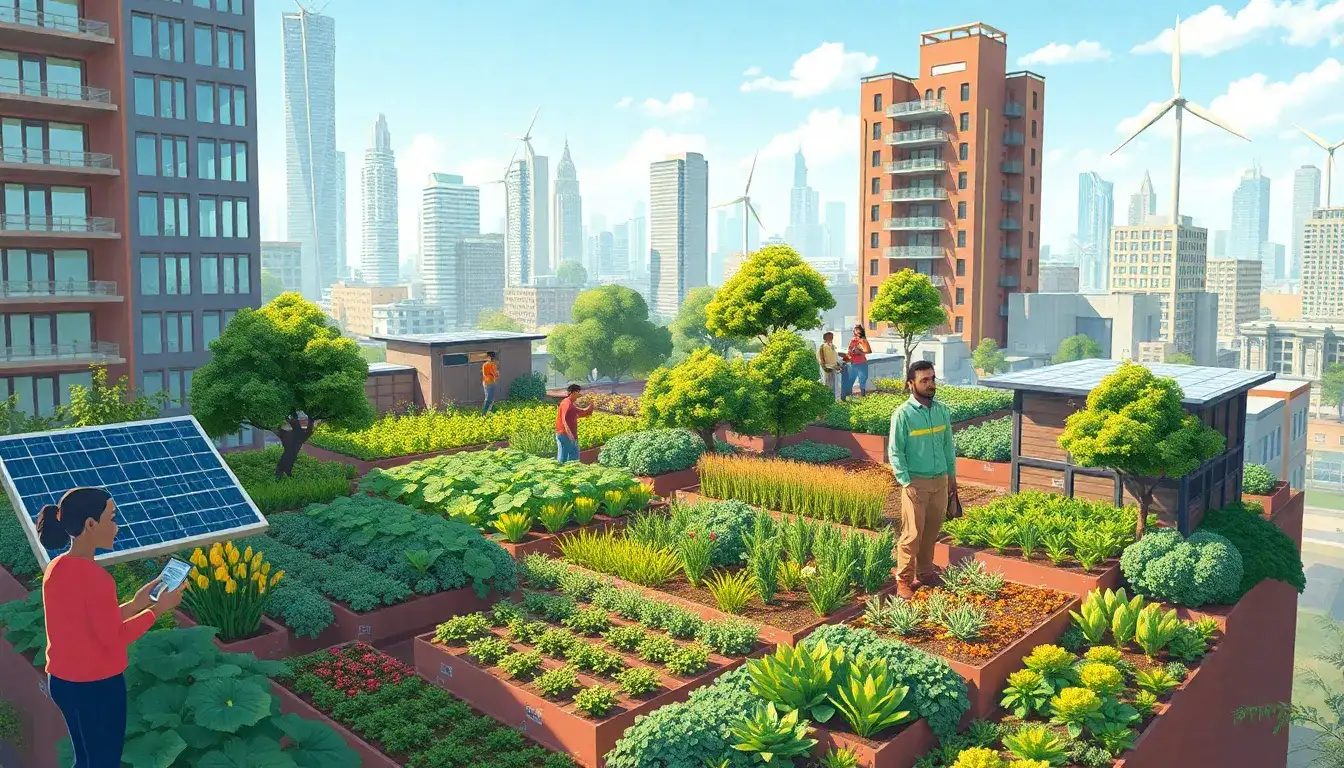
Workforce development incentives can enhance the sustainability of Local Agricultural and Environmental Systems (LAES) by equipping the workforce with the necessary skills and knowledge to support emerging green and sustainable industries, thus facilitating a transition to a low-carbon and sustainable economy.
How Workforce Development Incentives Support LAES Sustainability
- Skill Building for Emerging Green Jobs: As economies shift toward clean energy, sustainable land management, and climate-friendly practices, the nature of jobs in related sectors like agriculture and the environment changes. Workforce development programs provide targeted training for these evolving roles, such as energy efficiency, forestry, and environmental management, which are relevant to sustainable agricultural and environmental systems.
- Creating High-Quality, Sustainable Jobs: Incentives tied to workforce standards encourage the creation of well-paying, sustainable jobs that support environmental goals. California Climate Investments, for example, incorporate workforce standards to promote job quality alongside greenhouse gas reductions, which is critical for the long-term viability of LAES.
- Upskilling and Reskilling Workers: Incentives can help companies subsidize formal education and training for employees, enabling workers to adapt to new technologies and practices relevant to sustainable land and agricultural systems. This reduces the risk companies face in investing in workforce training and helps develop a capable workforce to support sustainability.
- Equity and Inclusion: Workforce incentives often focus on including historically disadvantaged groups, such as women, racial minorities, and people with disabilities, in sustainability-related jobs. This not only promotes social equity but also enlarges the talent pool available for sustainable agricultural and environmental sectors, enhancing their resilience and sustainability.
- Long-Term Economic Benefits: Programs mirrored after successful workforce development initiatives like Project QUEST have shown that participants earn significantly higher wages over time. This economic uplift helps stabilize communities dependent on agricultural and environmental sectors, contributing indirectly to the sustainability of LAES.
- Alignment with Broader Sustainability and Climate Goals: Workforce development funded through environmental and climate justice grant programs and federal investments creates local capacity to manage water, energy, and land resources sustainably, reinforcing LAES objectives.
Summary
Workforce development incentives enhance LAES sustainability by fostering a skilled, adaptable, and inclusive workforce equipped to meet the challenges of a green economy. These incentives support high-quality job creation, promote equity, and align economic growth with environmental stewardship, thereby reinforcing the long-term sustainability of local agricultural and environmental systems.
Original article by NenPower, If reposted, please credit the source: https://nenpower.com/blog/can-workforce-development-incentives-enhance-the-sustainability-of-laes/

