

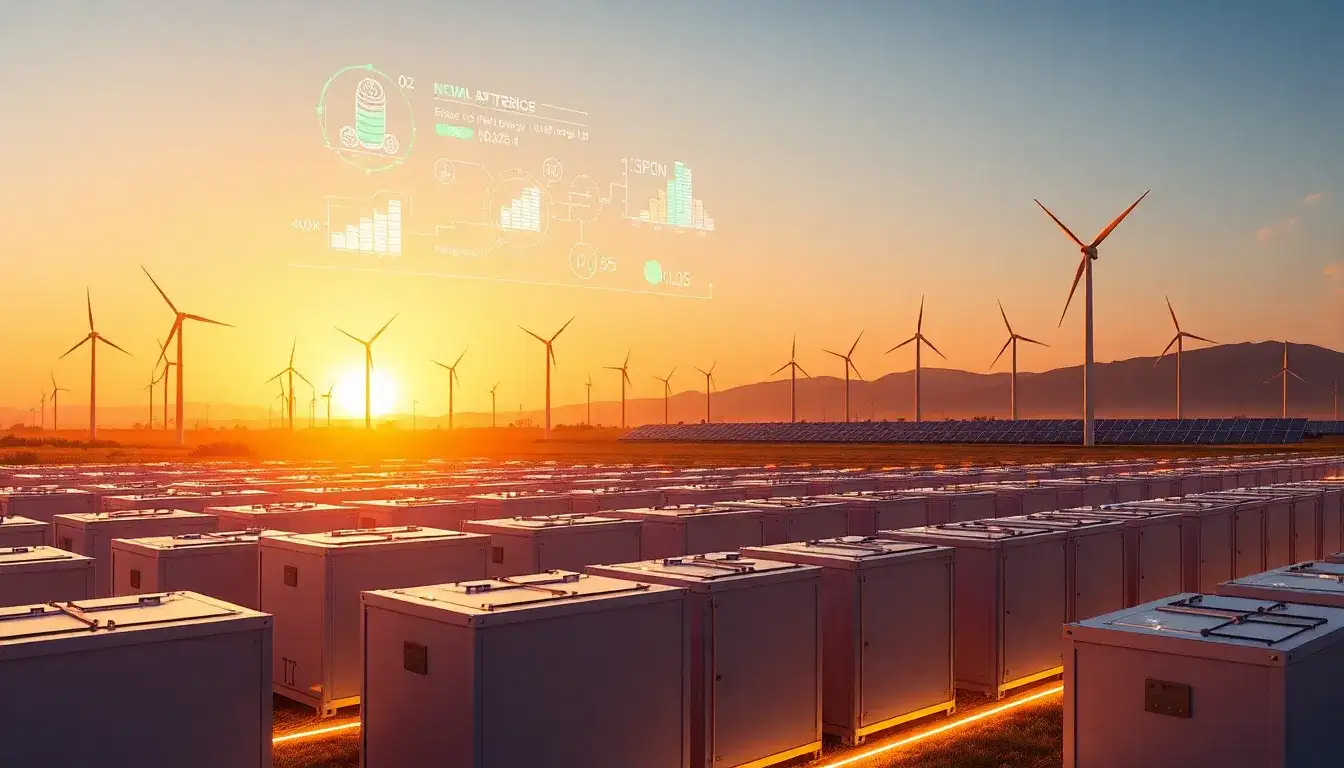
Utility-scale batteries can reduce the need for fossil-fueled peaker plants, but with some limitations and considerations.
How Batteries Can Replace Peaker Plants
- Cost-Effectiveness and Emissions Reduction: Battery energy storage systems (ESS) have rapidly decreased in cost (around $209 per kWh as of recent estimates) and offer zero emissions when operated, making them competitive alternatives to gas peaker plants. They can provide electricity during peak demand periods by storing cheaper, off-peak electricity and releasing it when needed, thus “peak shifting” energy use away from fossil fuel plants. This results in significant environmental and health benefits by avoiding emissions of CO₂, SO₂, NOx, and other pollutants associated with peaker plants.
- Operational Advantages: Batteries respond much faster than gas peaker plants — they can ramp power output up or down almost instantly based on grid operator signals. This flexibility improves grid reliability and can better complement renewable energy sources like solar and wind compared to slower peaker plants.
- Resource Adequacy: Studies show virtual power plants composed of many batteries can provide the same resource adequacy as peaker plants at a net cost about 40-60% lower than natural gas peakers, indicating strong economic potential for batteries replacing fossil peakers in maintaining reliable grid capacity.
Limitations and Challenges
- Duration Constraints: The primary limitation of battery storage is its finite discharge duration, typically a few hours, whereas gas peaker plants can operate many hours continuously. This means batteries may not fully replace all peaker plant capacity, especially for extended peak demand events.
- Economic Disadvantages in Some Cases: Economic analyses find that lithium-ion battery storage designed solely to replace peaker plants may face cost disadvantages, even when batteries participate in electricity market arbitrage and ancillary services to generate revenue. This suggests that optimal battery sizing and multiple revenue streams are essential to economic viability.
- Need for Policy Support: Regulatory and policy frameworks at federal and state levels influence the deployment of battery storage for peaker replacement. The evolving policy landscape will determine how quickly batteries can supplant fossil peakers, highlighting the importance of supportive policies for energy storage integration.
Outlook
As conventional peaker plants retire (an anticipated 150 GW over the next 20 years), there is substantial opportunity for battery storage to fill that role, especially for short-duration peak needs. Longer-duration storage technologies and complementary solutions will be important to fully replace all peaker functions.
Summary: Utility-scale batteries can significantly reduce the need for fossil-fueled peaker plants by providing fast, flexible, and cleaner peak power at competitive costs. However, limitations in discharge duration and economics mean batteries are not a universal replacement today. Continued technological improvements, market design, and policies will be key to enabling batteries to supplant traditional peaker plants extensively in the future.
Original article by NenPower, If reposted, please credit the source: https://nenpower.com/blog/can-utility-scale-batteries-reduce-the-need-for-peaker-plants/

