

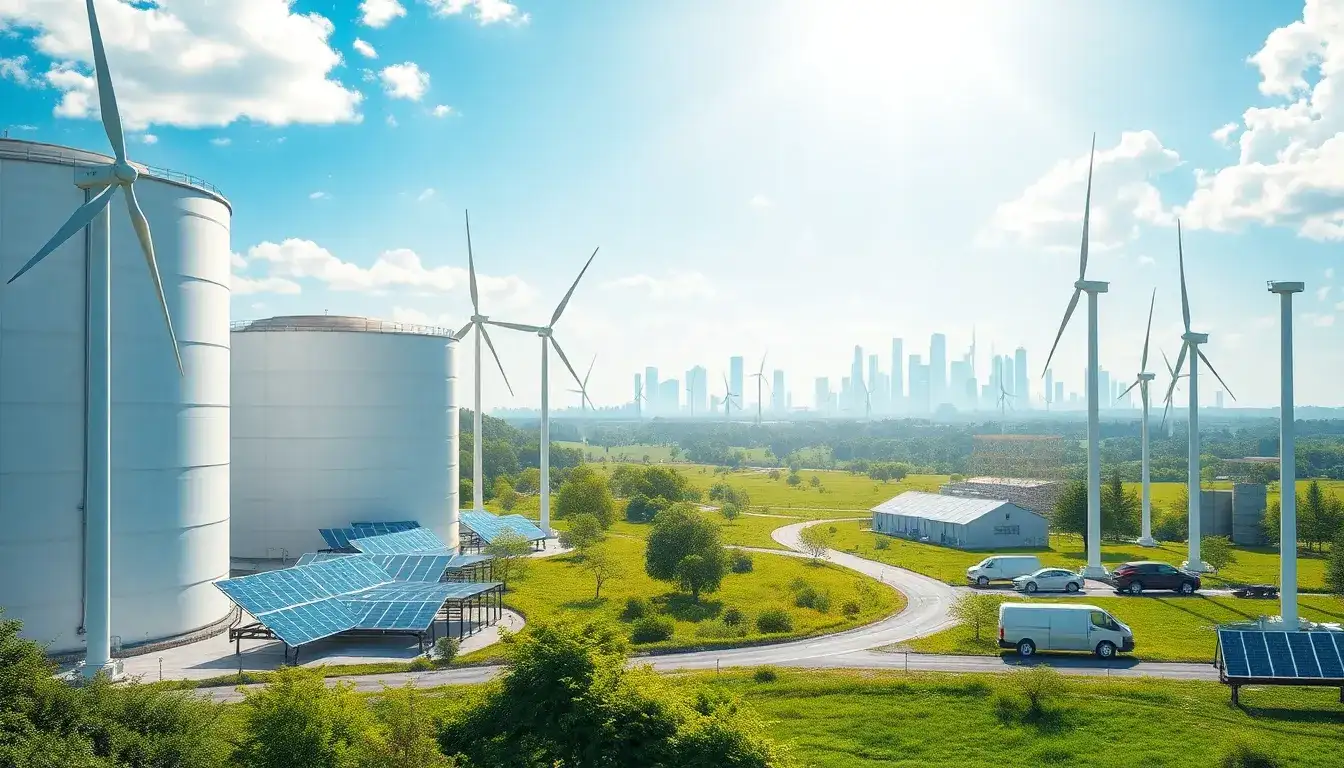
Thermal energy storage (TES) can indeed be integrated with renewable energy sources to significantly enhance sustainability by improving energy efficiency, grid stability, and the utilization of variable renewable generation like solar and wind power.
How TES Enhances Renewable Energy Integration
- Storage of Excess Renewable Energy: TES systems store thermal energy, often generated from excess renewable electricity (solar or wind) during periods of low demand, by heating or cooling materials such as water, ice, salts, waxes, or advanced thermochemical compounds. This stored thermal energy can then be used later when demand is higher or renewable generation is low.
- Flexibility and Grid Stability: By decoupling the timing of energy production and consumption, TES smooths out fluctuations in renewable energy supply, reducing peak electricity demand and grid stress. This supports higher penetration of renewable sources onto the grid and mitigates potential outages.
- Building Decarbonization and Electrification: TES applied in buildings acts as a thermal battery, allowing heating and cooling demands to be met more efficiently and at times aligned with renewable energy availability. This reduces the reliance on fossil fuels for heating and cooling, which constitute a large share of building electricity use.
- Complement to Battery Storage: While electrochemical batteries like lithium-ion provide rapid-response short-duration storage, TES excels at long-duration thermal storage. Combining TES with batteries can optimize overall energy storage systems for better performance and reliability.
- Material Innovations: Research is advancing in phase change materials (PCMs) such as salt hydrates, waxes, and thermochemical materials that store large amounts of energy close to room temperature, maximizing comfort and energy efficiency in buildings and other applications.
Practical Applications
- Residential Sector: Storing solar heat during the day for use in heating or cooling at night, reducing peak grid loads and enabling more solar power integration.
- Commercial and Industrial: Storing process heat or waste heat to reduce energy costs and optimize renewable energy utilization.
- Utility Scale: Coupling TES with renewable power plants helps provide dispatchable electricity by converting stored thermal energy back into electricity when needed, improving grid reliability and renewable energy penetration.
Economic and Sustainability Impact
- TES can reduce overall system costs by enabling more efficient use of renewable energy and lowering the need for grid reinforcements.
- The global TES market is expected to grow significantly by 2030, reflecting its key role in energy transition and decarbonization efforts.
- Efforts are underway to make TES materials and systems cost-effective and scalable to support widespread adoption.
In summary, thermal energy storage integrated with renewable energy sources plays a vital role in enhancing sustainability by increasing renewable energy utilization, enabling energy flexibility, reducing carbon emissions in buildings and industry, and stabilizing the power grid. Ongoing advances in TES materials, system integration, and performance characterization continue to drive its critical contribution to a clean energy future.
Original article by NenPower, If reposted, please credit the source: https://nenpower.com/blog/can-thermal-energy-storage-be-integrated-with-renewable-energy-sources-to-enhance-sustainability/

