

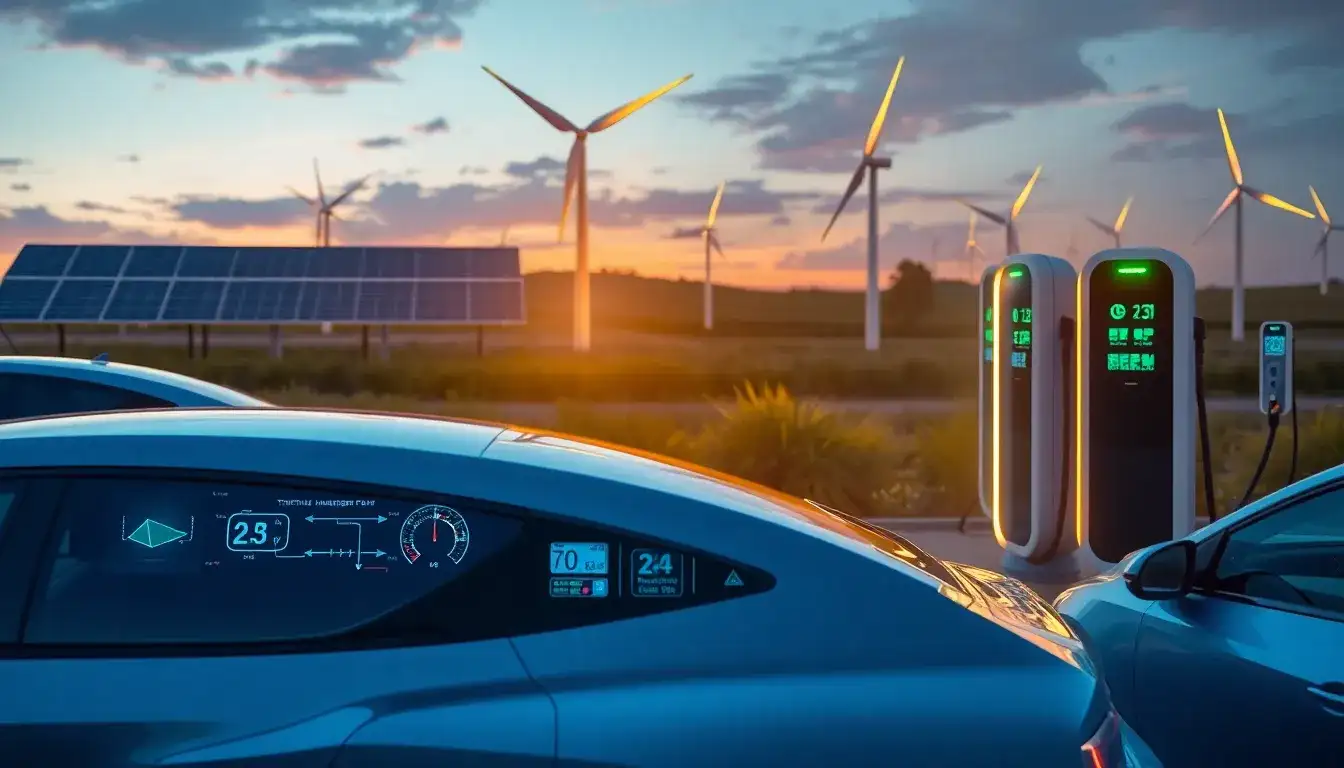
While EV models themselves don’t directly lower fast charging session costs (which are primarily determined by electricity rates and charging infrastructure pricing), advanced battery management systems (BMS) in specific EVs can indirectly reduce long-term charging expenses through efficiency and battery health preservation:
Battery Management Impact
- Optimized Charging Speeds: Advanced BMS can regulate charge acceptance to match battery conditions, avoiding throttled speeds from overheating. This ensures faster effective charging within safe limits, reducing time-based fees at public stations.
- Battery Longevity: By preventing degradation through temperature management and charge cycling, BMS systems extend battery life, reducing replacement costs (EV batteries typically cost $5,000–$20,000+).
- Energy Efficiency: Precise voltage/current control minimizes energy loss during charging, lowering kWh consumption per session.
Model-Specific Advantages
- Tesla: Uses active cooling and preconditioning to maintain optimal charging speeds, especially at Superchargers.
- Hyundai/Kia E-GMP models (e.g., Ioniq 5): 800V architecture reduces heat generation, enabling sustained 350kW charging with less energy waste.
- Lucid Air: Software-driven thermal management maximizes charge curve consistency.
Cost Context
- Home Charging remains the cheapest option (~$0.15–$0.25/kWh vs. $0.30–$0.60/kWh for public fast charging).
- Public Fast Charging costs are influenced by location and demand fees, but efficient BMS systems help users avoid excessive session times (which some networks bill per minute).
In summary, while fast charging costs per kWh are fixed for users, optimized battery management in modern EVs reduces ancillary expenses and improves cost-effectiveness over time.
Original article by NenPower, If reposted, please credit the source: https://nenpower.com/blog/can-specific-ev-models-reduce-fast-charging-costs-through-better-battery-management/

