

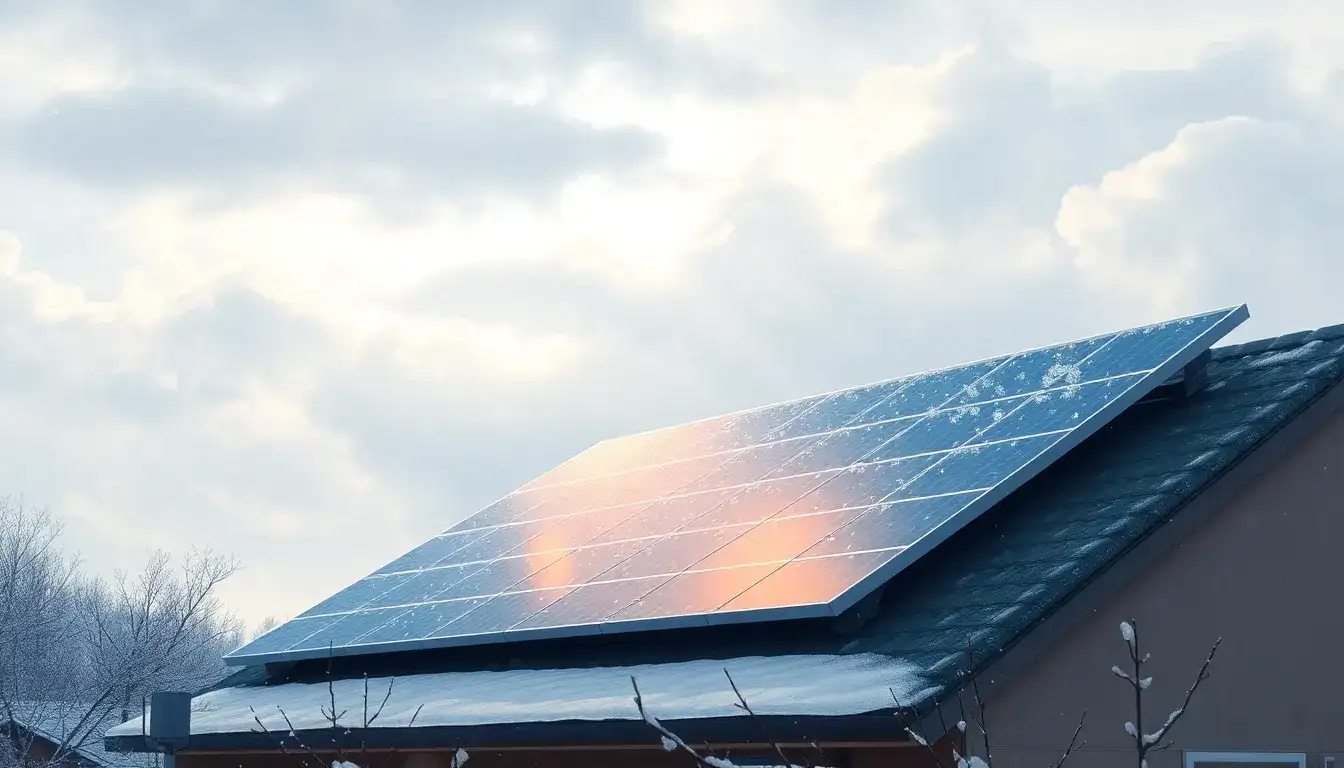
Solar Panels in Cloudy and Snowy Conditions
Solar panels can indeed generate electricity in both cloudy and snowy conditions, although efficiency may be reduced compared to clear, sunny days. Here’s a breakdown of how solar panels perform in these conditions:
Cloudy Conditions
- Power Generation: Even on cloudy days, solar panels can still generate electricity by capturing diffused sunlight. However, their efficiency typically drops to about 10 to 25% of their normal output, depending on cloud density.
- Edge-of-Cloud Effect: Occasionally, when the sun is partially obstructed by clouds, the “Edge-of-Cloud Effect” can momentarily increase power production by amplifying sunlight as it passes around cloud edges.
Snowy Conditions
- Snow Impact: Light snow may have minimal impact on solar panels, as sunlight can penetrate thin layers. Heavy snow can temporarily reduce output but often slides off due to panel angles.
- Albedo Effect: Snow’s reflective properties can enhance energy production by concentrating sunlight on panels during clear winter days.
Benefits of Rain and Snow
- Cleaning Effect: Rain helps clean solar panels by washing away dust and debris, which improves efficiency. Snow also assists in cooling panels, enhancing performance since silicon-based solar cells work more efficiently at lower temperatures.
Overall, while solar panels are less efficient in cloudy or snowy conditions, they still generate electricity and can be a viable renewable energy solution in various climates.
Original article by NenPower, If reposted, please credit the source: https://nenpower.com/blog/can-solar-panels-generate-electricity-in-cloudy-or-snowy-conditions/

