

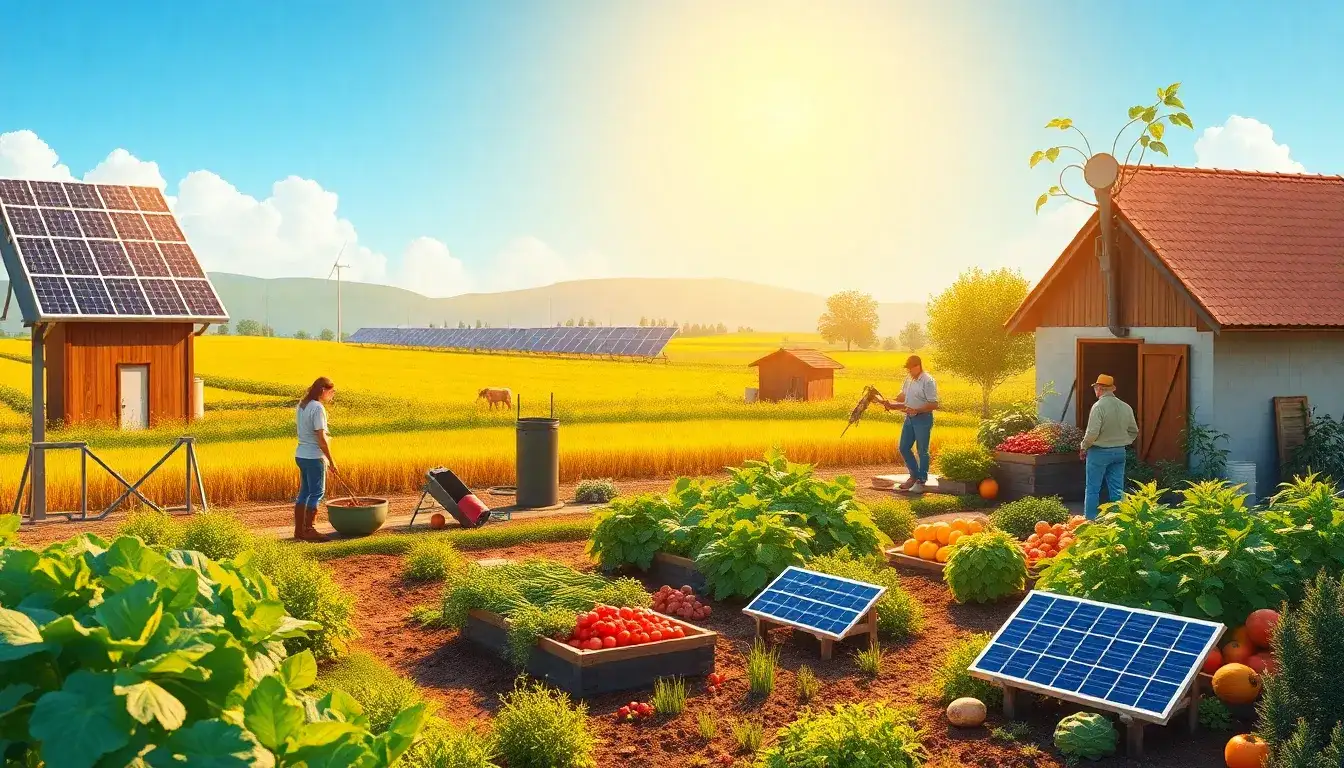
Yes, solar energy can significantly reduce food waste in rural areas through several key innovations, particularly in post-harvest preservation and energy generation:
1. Solar-Powered Cold Storage
Rural farms often lack reliable electricity, leading to spoilage of perishable goods. Solar-powered cold storage maintains optimal temperatures for fruits, vegetables, and dairy products, reducing post-harvest losses and giving farmers access to higher-value markets.
2. Solar Drying Systems
Traditional sun-drying methods are vulnerable to pests, mold, and weather. Solar dryers provide controlled environments that efficiently reduce moisture content, improving shelf life and reducing waste while increasing farmers’ incomes.
3. Food Waste in Solar Technology
Innovations like AuREUS use UV-absorbing compounds from food waste (e.g., damaged crops) to generate renewable energy. These flexible panels work even on cloudy days, offering dual benefits: upcycling agricultural waste and producing electricity without direct sunlight.
- Mechanism: Luminescent particles from crushed fruits/vegetables absorb UV light, convert it to visible light, and paired solar cells generate power.
- Applications: Can be integrated into windows, walls, or vehicles, making renewable energy accessible in rural infrastructure.
By combining preservation tools with waste-to-energy solutions, solar technologies address food waste challenges while enhancing energy resilience in rural communities.
Original article by NenPower, If reposted, please credit the source: https://nenpower.com/blog/can-solar-energy-help-in-reducing-food-waste-in-rural-areas/

