

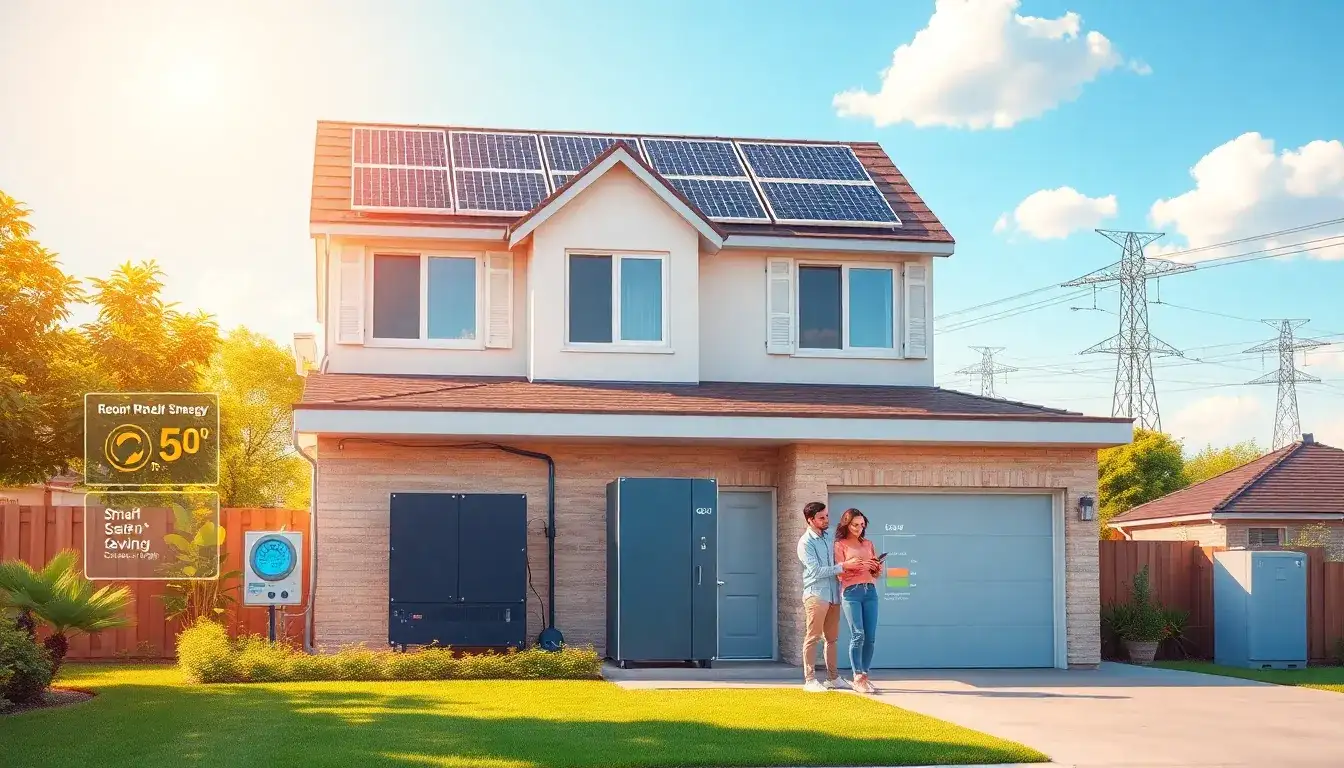
Yes, residential energy storage systems can indeed help reduce your energy bills. Here are the main ways they achieve this:
How Residential Energy Storage Reduces Energy Bills
- Peak Shaving and Load Shifting: These systems allow homeowners to store energy during off-peak hours when electricity rates are lower. The stored energy can then be used during peak hours when rates are higher, effectively reducing the need to purchase expensive electricity from the grid.
- Maximizing Renewable Energy Use: If you have solar panels or other renewable energy sources, energy storage systems can store excess energy produced during peak generation times. This stored energy can be used when the renewable source is not generating, ensuring you make the most of your renewable energy investment.
- Energy Independence: By reducing reliance on grid electricity, homeowners can lower their overall energy costs. This is particularly beneficial during power outages or in areas prone to frequent grid disruptions.
- Potential for Selling Excess Energy: In some regions, homeowners can sell excess stored energy back to the grid, further reducing costs or even earning credits.
Additional Benefits
- Backup Power: Provides essential power during outages, ensuring continuous operation of critical appliances.
- Environmental Sustainability: Reduces reliance on fossil fuels, lowering carbon footprints.
- Increased Property Value: Homes with energy storage systems are often more attractive to potential buyers due to their energy efficiency and potential cost savings.
Overall, residential energy storage systems offer a promising solution for homeowners looking to manage their energy costs more effectively while contributing to a more sustainable energy future.
Original article by NenPower, If reposted, please credit the source: https://nenpower.com/blog/can-residential-energy-storage-systems-help-reduce-my-energy-bills/

