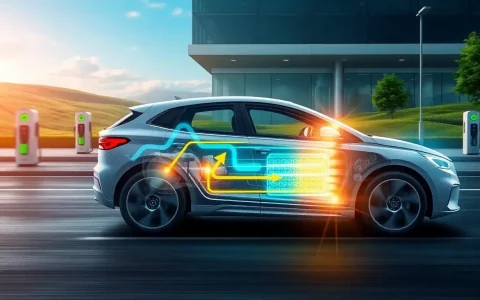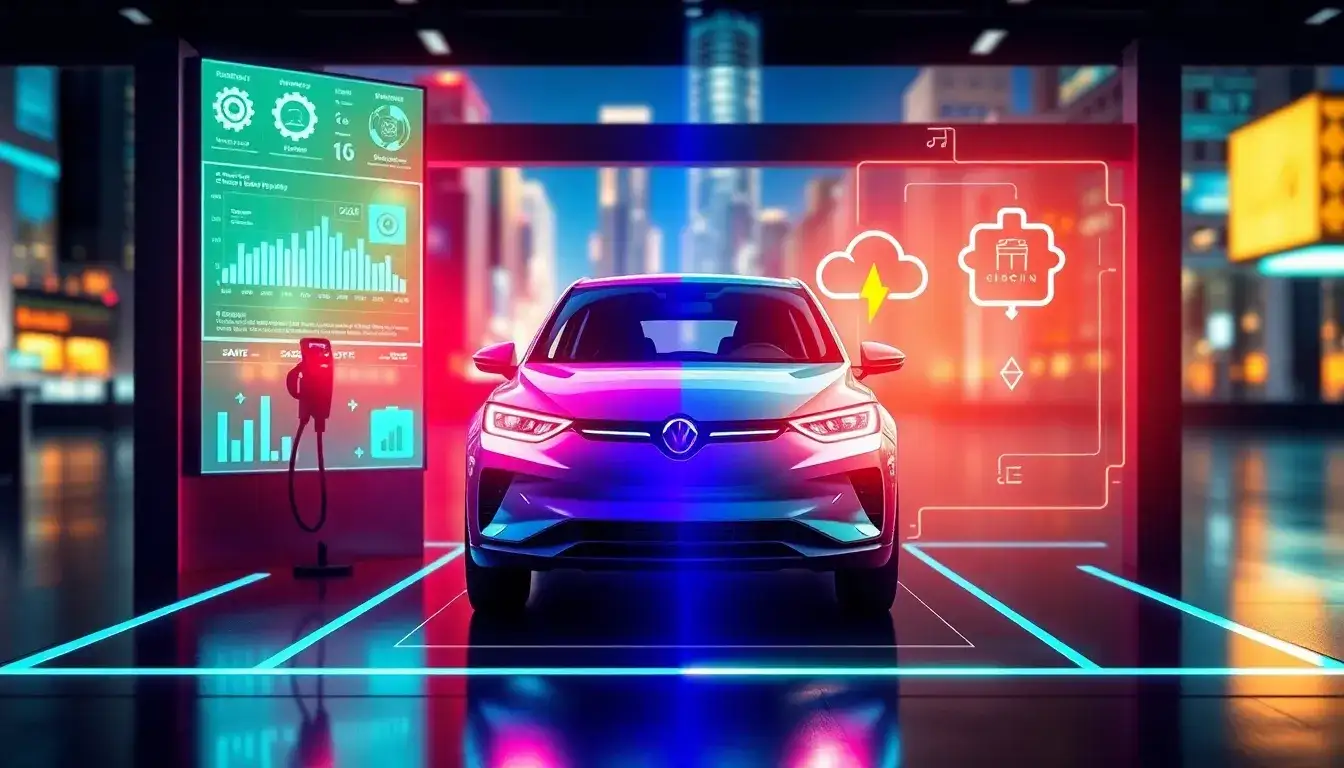
Regular software updates can influence EV battery health through improved battery management systems (BMS) and charging protocols, though outcomes depend on implementation. Here’s a breakdown:
How updates may help
- BMS optimization: Updates can refine algorithms that regulate charging rates, thermal management, and charge/discharge cycles to reduce stress.
- Degradation tracking: Advanced telematics in updates (like Geotab’s systems) provide precise battery health data, enabling proactive maintenance.
- Usage adjustments: Research shows smoother acceleration patterns (potentially encouraged by software-guided driving modes) correlate with slower degradation.
Potential risks
- Faulty updates: Poorly tested updates might unintentionally increase degradation, as alleged in lawsuits against Tesla for updates that allegedly accelerated battery wear.
- Vendor priorities: Updates may prioritize performance or compliance over battery longevity, depending on corporate goals.
Key factors
- Thermal management: Software controlling liquid vs. air cooling (mentioned in Geotab’s 2024 analysis) significantly impacts degradation rates.
- Chemistry-specific tuning: Updates tailored to a battery’s lithium-ion variant (NMC, LFP, etc.) can optimize lifespan.
While well-designed updates can mitigate degradation, their effectiveness varies by manufacturer and update quality. Real-world data shows top EVs now achieve ~1% annual degradation, partly enabled by intelligent software.
Original article by NenPower, If reposted, please credit the source: https://nenpower.com/blog/can-regular-software-updates-help-mitigate-battery-degradation-in-evs/