

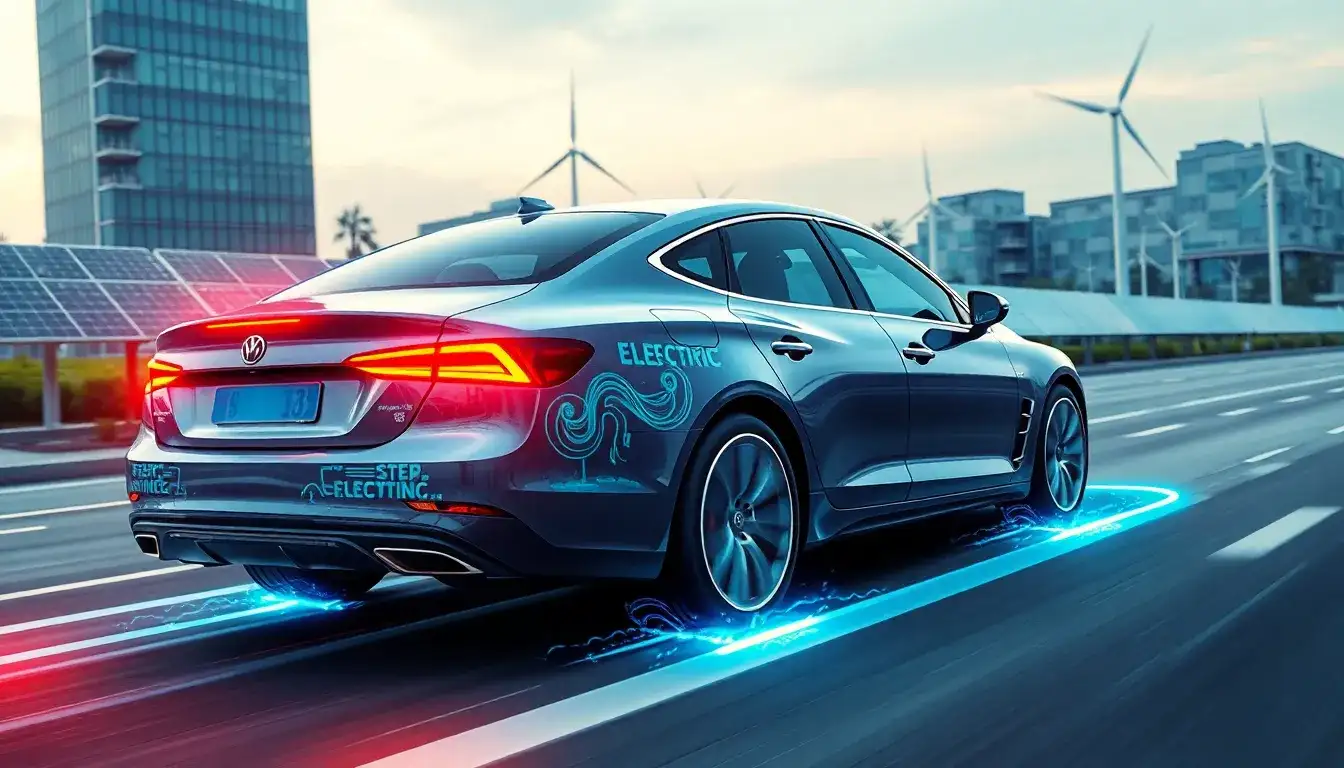
Regenerative braking systems can theoretically be integrated into non-hybrid (conventional internal combustion engine) vehicles, but there are significant practical and design challenges that largely limit their implementation to hybrid and electric vehicles.
How Regenerative Braking Works
Regenerative braking recovers kinetic energy during vehicle deceleration by using the electric motor as a generator. Instead of wasting the kinetic energy as heat through friction brakes, the system converts it into electrical energy that is stored in a battery or capacitor for later use in propulsion or powering auxiliary vehicle functions.
Requirements for Integration
To implement regenerative braking, a vehicle needs:
- An electric motor capable of operating in both drive and generator modes.
- A high-voltage battery or energy storage system to capture and store recovered energy.
- A power electronics system to control energy flow between the motor and the battery.
- Vehicle control systems to blend regenerative braking with traditional friction brakes.
Why It’s Commonly Found Only on Hybrids and EVs
- Conventional non-hybrid vehicles generally lack the necessary electric drivetrain components such as an electric traction motor and a suitable onboard battery system.
- Adding regenerative braking to a traditional gasoline or diesel vehicle would require extensive and costly modifications, including installation of an electric motor-generator system and a suitable energy storage system.
- Hybrids and EVs are designed from the outset with electrified architectures that allow seamless integration of regenerative braking systems, making them efficient and practical.
Is It Possible in Non-Hybrids?
- While it’s technically possible to retrofit or design non-hybrid vehicles with regenerative braking, the complexity and cost have limited its adoption mainly to hybrids, plug-in hybrids, and electric vehicles.
- Some commercial vehicles use hydraulic regenerative braking assist systems, but these are different from the electric regenerative braking common to passenger vehicles.
Summary
Regenerative braking systems are primarily integrated into hybrid and electric vehicles because these platforms inherently have the electric motors and energy storage systems needed to capture and reuse braking energy. Integrating regenerative braking into a conventional non-hybrid vehicle would involve substantial redesign and cost, making it currently impractical except in specialized retrofit cases or commercial vehicle applications using hydraulic systems.
Thus, while possible in theory, regenerative braking is not commonly integrated into traditional non-hybrid vehicles due to technical and economic barriers.
Original article by NenPower, If reposted, please credit the source: https://nenpower.com/blog/can-regenerative-braking-systems-be-integrated-into-non-hybrid-vehicles/

