

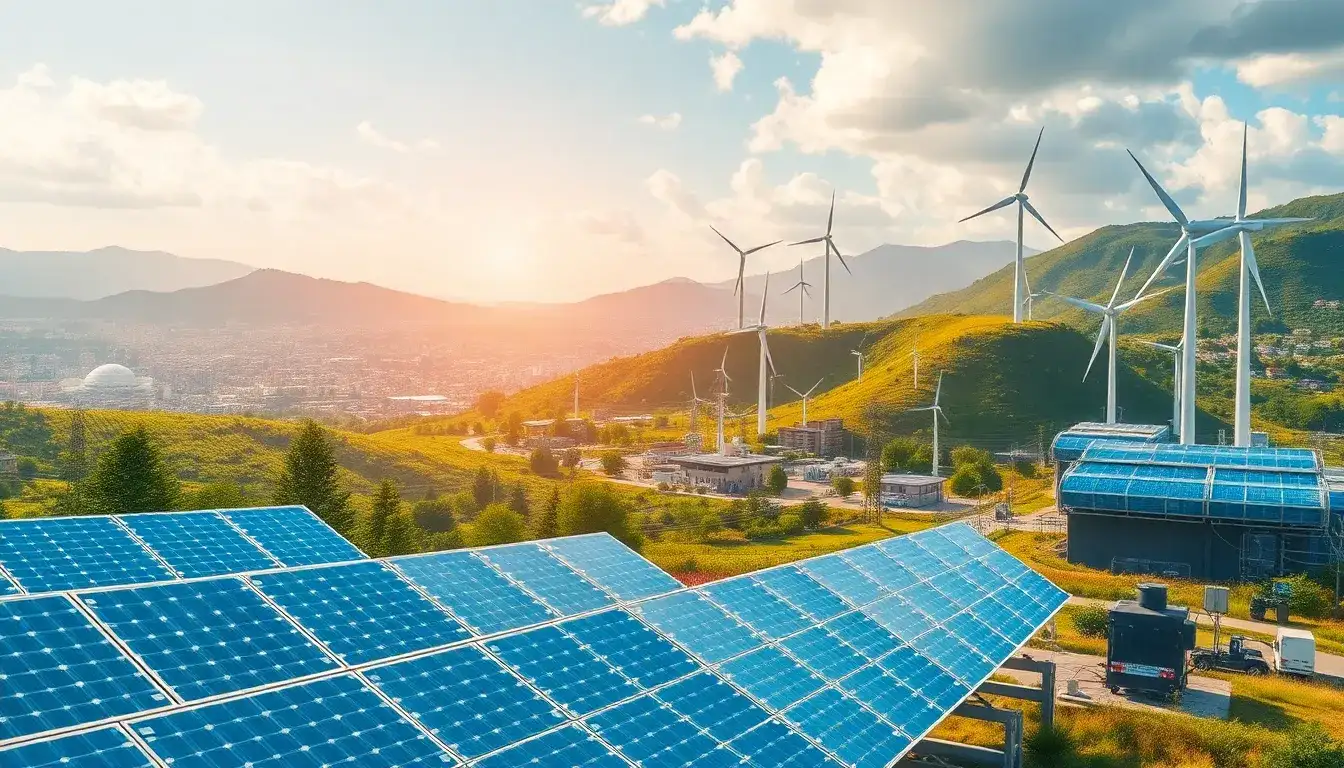
Yes, peak shaving can be effectively integrated with renewable energy sources like solar and wind. This integration is crucial for balancing energy supply and demand, especially given the intermittent nature of solar and wind power.
How Peak Shaving Works with Renewables
Peak shaving involves reducing energy consumption during peak demand periods by using alternative energy sources like stored energy from batteries. When integrated with renewable energy systems, the process works as follows:
- Storage of Excess Energy: During periods of high solar or wind generation, excess energy is stored in battery energy storage systems (BESS).
- Usage During Peak Demand: This stored energy is then used during peak demand periods, reducing the reliance on the grid and lowering energy costs.
- Grid Stability and Resilience: By managing peak demand through stored renewable energy, grid stability is maintained, and the strain on the grid during peak hours is alleviated.
Benefits of Integration
The integration of peak shaving with solar and wind energy offers several benefits:
- Cost Savings: Reduces demand charges by avoiding peak grid consumption, especially beneficial for commercial and industrial users.
- Renewable Energy Optimization: Increases self-consumption of renewable energy by storing excess production for later use.
- Grid Flexibility and Resilience: Enhances grid stability by managing demand and supply variability introduced by intermittent renewables.
Technologies Used
Key technologies used for this integration include:
- Battery Energy Storage Systems (BESS): Store excess energy generated from solar panels or wind turbines for use during peak demand periods.
- Energy Management Systems (EMS): Software solutions that optimize the flow of energy between renewable sources, storage systems, and the grid to achieve efficient peak shaving.
Original article by NenPower, If reposted, please credit the source: https://nenpower.com/blog/can-peak-shaving-be-integrated-with-renewable-energy-sources-like-solar-and-wind/

