

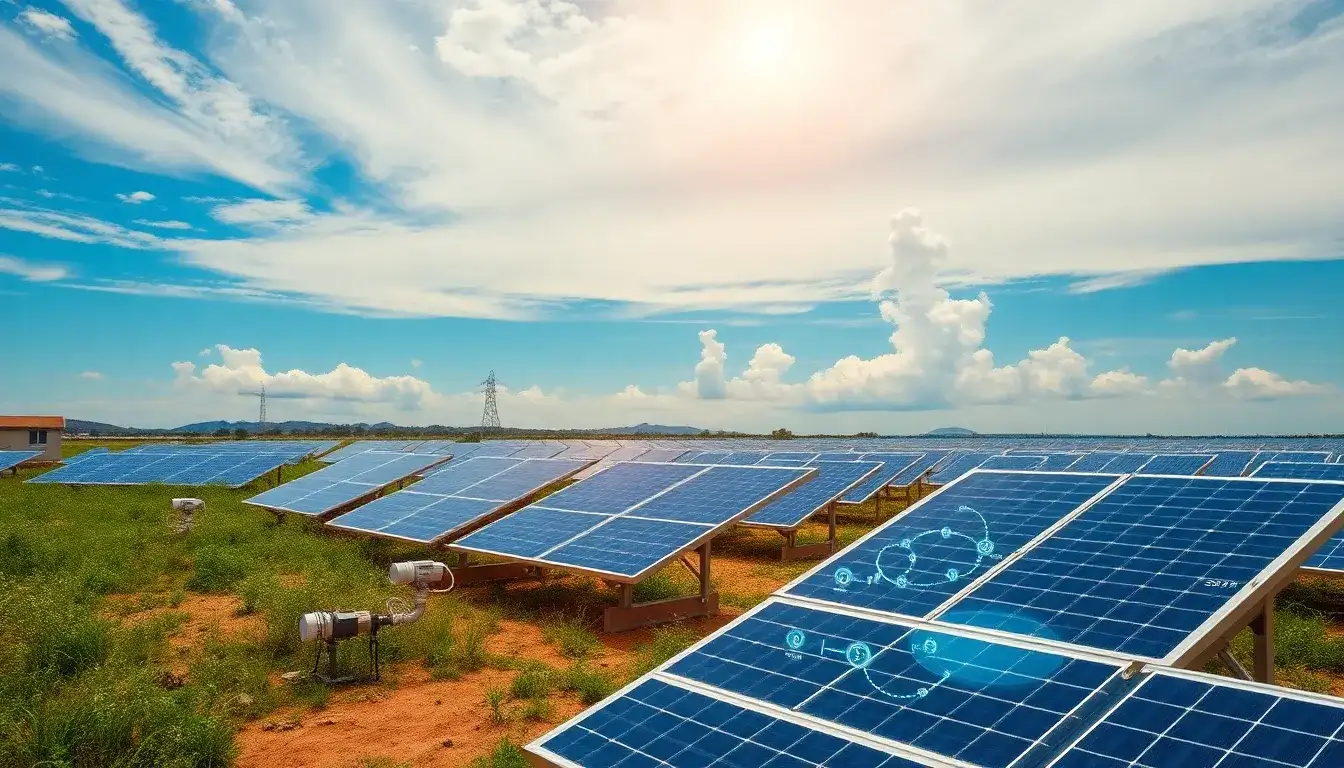
Can Machine Learning Models Adapt to Real-Time Weather Changes for Better Solar Energy Output?
Machine learning models can effectively adapt to real-time weather changes to enhance solar energy output prediction. This capability is crucial because solar energy production is highly dependent on weather conditions such as irradiance, temperature, and humidity.
How Machine Learning Adapts to Weather Changes
- Data Integration: Machine learning models integrate both historical and real-time weather data, including satellite-derived data and ground-measured data, to make accurate solar radiation estimates.
- Model Updates: These models can automatically retrain based on new data, allowing them to adapt to changing weather patterns and improve forecast precision.
- Algorithm Selection: Certain algorithms like CatBoost and ensemble models have shown high performance in predicting solar energy output by incorporating various weather-related variables.
- Feature Engineering: Machine learning models utilize feature engineering to select the most relevant inputs for predicting solar energy output, which can adjust based on real-time weather updates.
Impact of Adaptation
- Improved Forecasting Accuracy: Adapting to real-time weather changes ensures more accurate predictions of solar energy output, leading to better energy management and grid stability.
- Enhanced Operational Efficiency: By predicting potential disruptions or changes in solar energy production, operators can make timely decisions to optimize energy distribution.
- Cost Reduction: Accurate forecasts help in reducing operational costs by optimizing maintenance and energy trading strategies.
Overall, machine learning models play a vital role in enhancing solar energy output predictability by effectively incorporating real-time weather data, thus improving the reliability and efficiency of solar energy systems.
Original article by NenPower, If reposted, please credit the source: https://nenpower.com/blog/can-machine-learning-models-adapt-to-real-time-weather-changes-for-better-solar-energy-output/

