

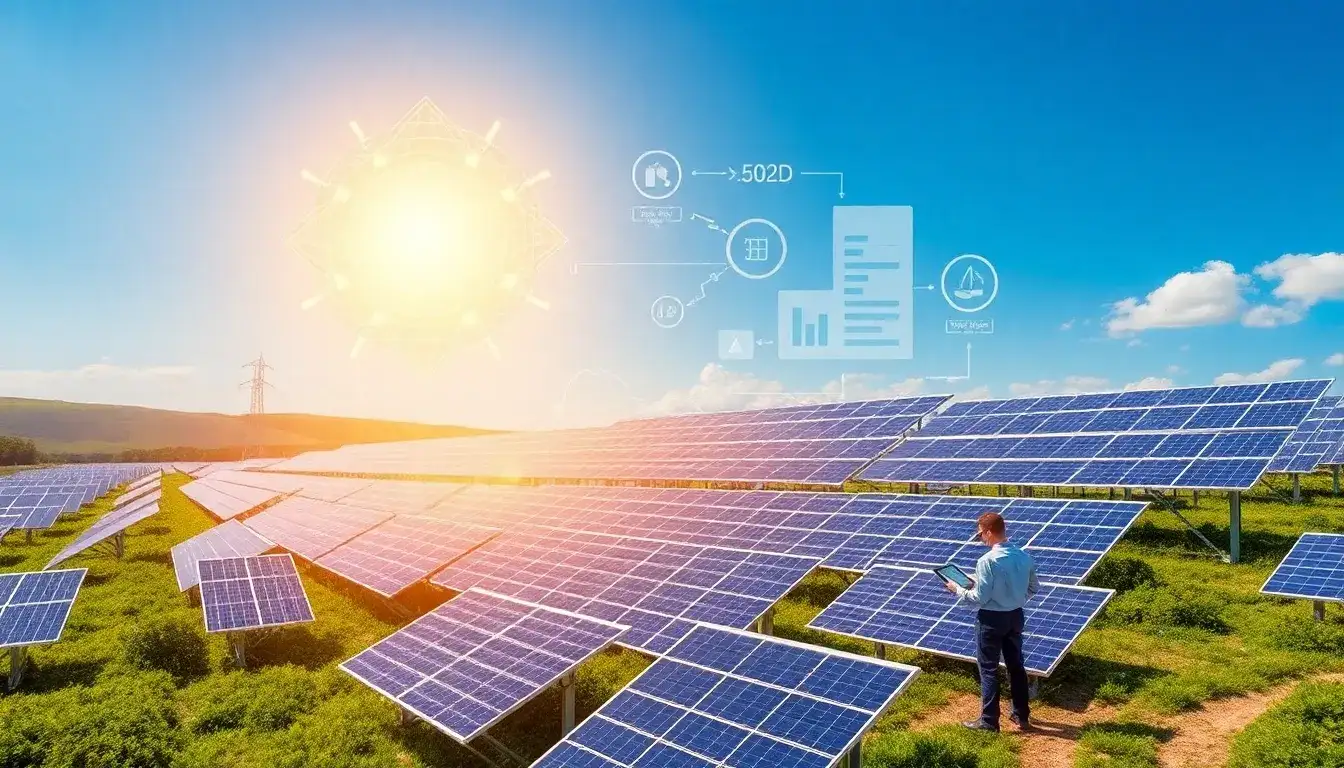
IoT technology significantly enhances the monitoring, diagnosis, and maintenance of solar panel systems, allowing for early detection and prevention of many common types of failures—but it does not prevent all types of solar panel failures entirely.
How IoT Helps Prevent Solar Panel Failures
- Continuous Real-Time Monitoring: IoT sensors on solar panels and inverters collect data such as temperature, voltage, current, power output, and light intensity, transmitting this to cloud platforms for real-time monitoring. This continuous analysis helps spot abnormalities early, such as overheating or drops in energy production, which can indicate a developing issue.
- Fault Detection: IoT systems can quickly identify and localize faults down to the individual panel, including failures in panels or inverters, shading effects, dirt buildup, or micro-cracks. Early detection allows operators to intervene promptly before minor issues escalate.
- Predictive Maintenance: IoT analytics use historical and real-time data to predict potential failures before they happen. This enables scheduled maintenance, reducing unexpected downtime and costly repairs. Predictive maintenance can prevent up to 70% of common solar system failures and reduce maintenance costs by about 25-30%.
- Performance Optimization: By continuously tracking panel performance, IoT systems ensure consistent energy production and extend the lifespan of the solar array by mitigating efficiency losses caused by dust, shading, or minor damages.
Limitations: IoT Cannot Prevent All Failures
Despite its many benefits, IoT technology has limitations:
- Physical and Environmental Damage: Severe damage from extreme weather (hail, storms, lightning), vandalism, or catastrophic equipment failure may not be fully preventable by monitoring alone. IoT can alert after damage occurs but cannot physically prevent such failures.
- Hardware or Manufacturing Defects: Intrinsic defects or aging-related failures in materials and components may develop despite IoT monitoring. IoT can detect symptoms but cannot stop physical degradation or material fatigue.
- Connectivity or Sensor Failures: IoT effectiveness depends on the functioning of sensors and communication networks. Failures in these systems can reduce monitoring capability.
Summary
| IoT Benefits for Solar Panels | Limitations |
|---|---|
| Real-time monitoring of performance parameters | Cannot physically prevent extreme weather or vandalism damage |
| Early fault detection and localization | Cannot stop intrinsic hardware aging or material defects |
| Predictive maintenance to avoid many failures | Dependent on sensor and network reliability |
| Performance optimization and lifespan extension |
In conclusion, IoT technology is a powerful tool to prevent and mitigate a large proportion of common solar panel failures through continuous monitoring and predictive maintenance. However, it cannot prevent all types of failures, especially those caused by severe physical damage or inherent hardware limitations.
Original article by NenPower, If reposted, please credit the source: https://nenpower.com/blog/can-iot-technology-prevent-all-types-of-solar-panel-failures/

