

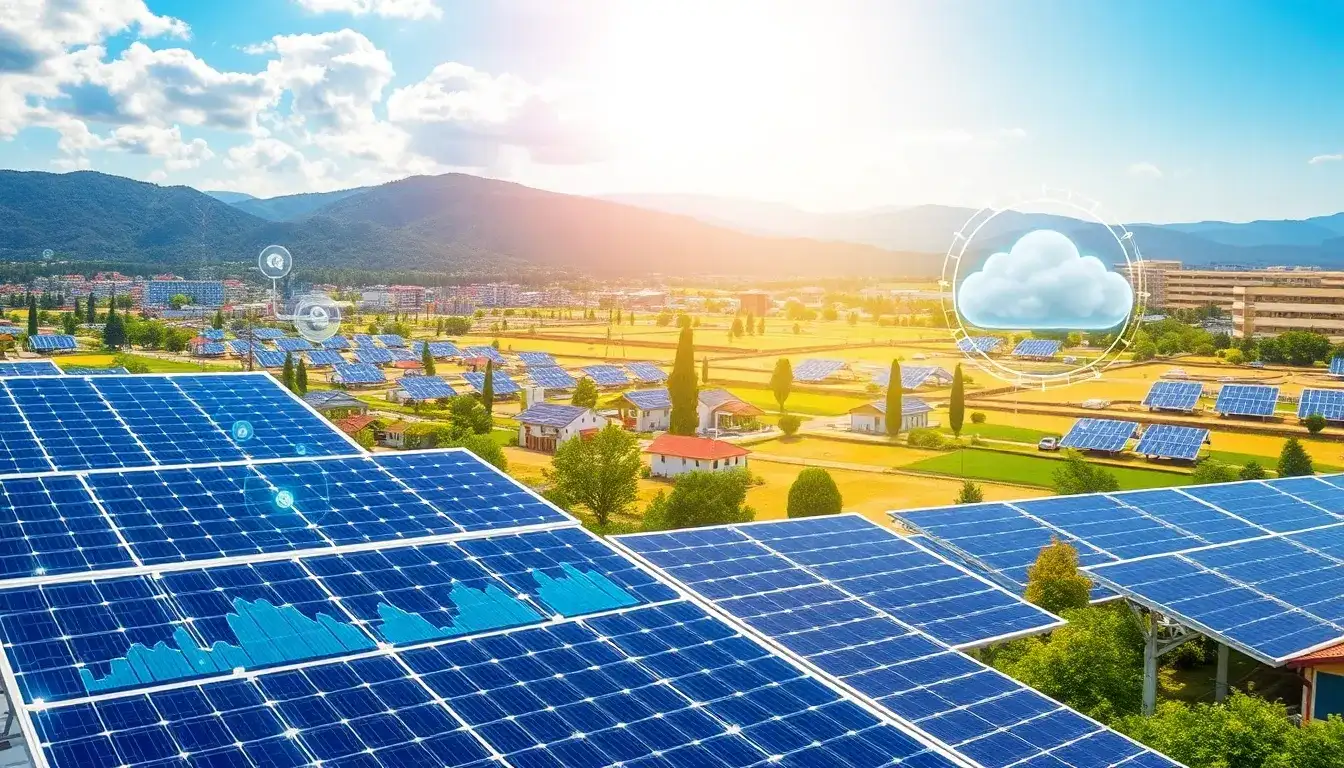
Yes, IoT technology can significantly help in predicting solar panel failures through real-time monitoring, data analytics, and predictive maintenance. IoT sensors installed on solar panels and related equipment collect critical performance and environmental data such as temperature, voltage, current, and energy output. This data is transmitted wirelessly to centralized cloud platforms where advanced analytics and machine learning algorithms analyze trends and detect anomalies that may indicate potential faults or degradation in the system.
How IoT Predicts Solar Panel Failures
- Continuous Parameter Monitoring: IoT devices track parameters like panel temperature, voltage fluctuations, current, and overall energy production. Deviations from normal patterns can signal early signs of faults.
- Performance Trend Analysis: By analyzing historical and real-time data, IoT systems identify gradual declines or sudden changes in panel performance that suggest issues such as micro-cracks, dirt accumulation, shading, or connection problems.
- Machine Learning Fault Diagnosis: Some IoT platforms incorporate machine learning algorithms that not only detect but also diagnose specific faults, enabling precise identification of issues and informed maintenance decisions.
- Proactive Alerts and Notifications: When potential failures or maintenance needs are detected, the IoT system sends instant alerts to operators or homeowners, allowing timely interventions before failures escalate.
Benefits of IoT-Enabled Predictive Maintenance for Solar Panels
- Reduced Downtime: Early detection minimizes periods when panels are non-functional, ensuring more consistent energy production.
- Cost Savings: Preventive maintenance is less expensive than reactive repairs or replacements by catching issues before they worsen.
- Extended System Lifespan: By addressing problems early, the operational life of solar panels can be extended beyond the typical 25–30 years.
- Optimized Energy Efficiency: Maintaining panels in optimal condition maximizes daily and lifetime energy output from the solar installation.
Summary Table
| IoT Capability | Description | Benefits |
|---|---|---|
| Real-Time Sensor Monitoring | Collects temperature, voltage, current, etc. | Early fault detection |
| Predictive Analytics & AI | Uses data trends and machine learning for diagnosis | Accurate fault identification |
| Automated Alerts | Sends notifications when anomalies detected | Quick maintenance action |
| Remote Access & Control | Enables monitoring from any location | Convenience, reduces manual checks |
| Maintenance Scheduling | Plans upkeep based on predictive insights | Minimizes downtime and costs |
In conclusion, IoT technology not only helps in predicting solar panel failures but also transforms solar energy systems into self-diagnosing, smart setups that optimize performance and reliability through proactive maintenance.
Original article by NenPower, If reposted, please credit the source: https://nenpower.com/blog/can-iot-technology-help-in-predicting-solar-panel-failures/

