

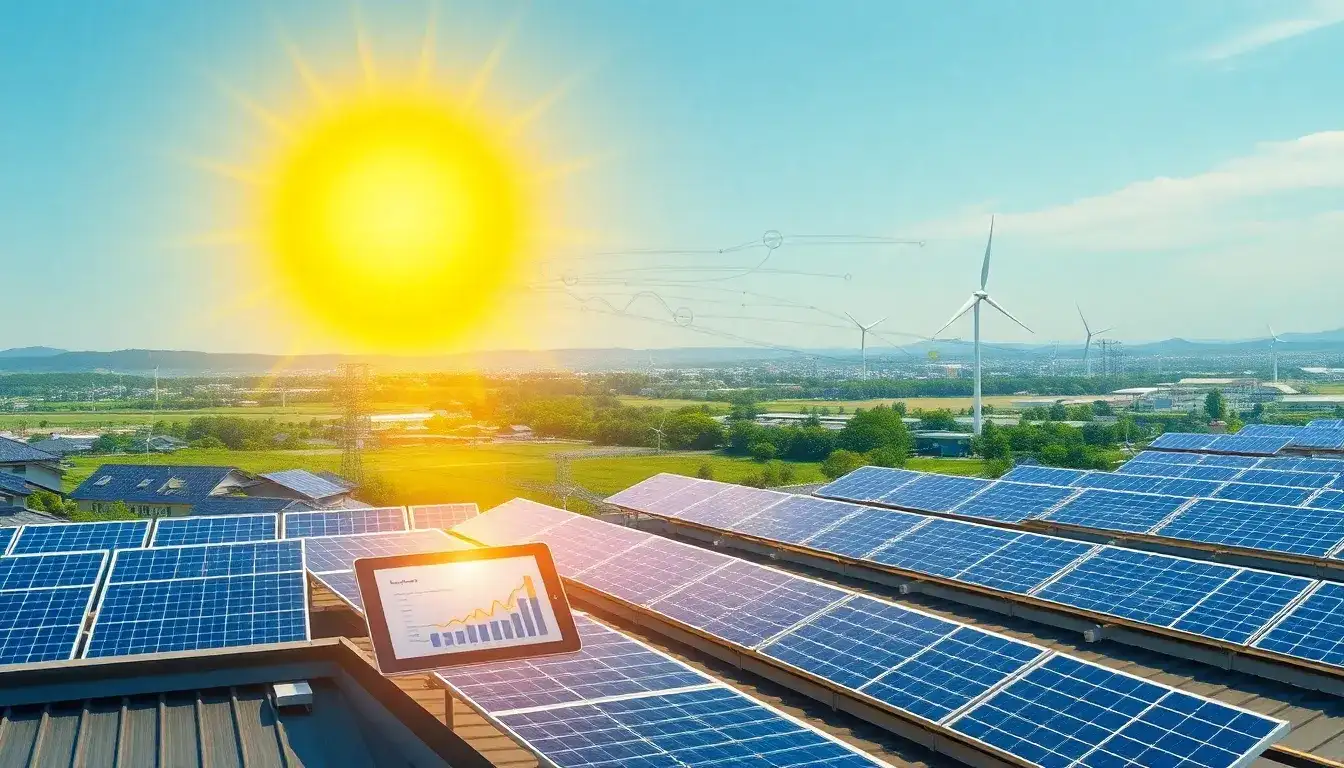
IoT technology can significantly contribute to extending the lifespan of solar panels. Here are a few ways it achieves this:
- Predictive Maintenance: IoT-enabled sensors monitor solar panels in real-time, tracking parameters like temperature, voltage, current, and energy output. This data helps identify potential issues early, such as micro-cracks or dust accumulation, allowing for proactive maintenance to prevent serious damage.
- Real-time Insights and Optimization: By continuously monitoring performance, IoT technology allows for real-time adjustments to maximize energy production and efficiency. This proactive approach ensures solar panels operate at their optimal levels, reducing wear and tear over time.
- Enhanced Efficiency and Reduced Downtime: IoT-connected systems can dynamically manage energy production and storage, ensuring a stable power supply. This intelligent management helps reduce downtime by detecting faults before they become critical, further extending the lifespan of the panels.
- Automated Alerts and Performance Insights: IoT technology provides homeowners and operators with regular updates on system performance, enabling timely interventions that prevent minor issues from escalating into costly repairs.
While the typical lifespan of solar panels is about 25-30 years, IoT-enabled predictive maintenance can help these systems maintain optimal efficiency throughout their life cycle, potentially extending their operational life.
Original article by NenPower, If reposted, please credit the source: https://nenpower.com/blog/can-iot-technology-help-extend-the-lifespan-of-solar-panels/

