

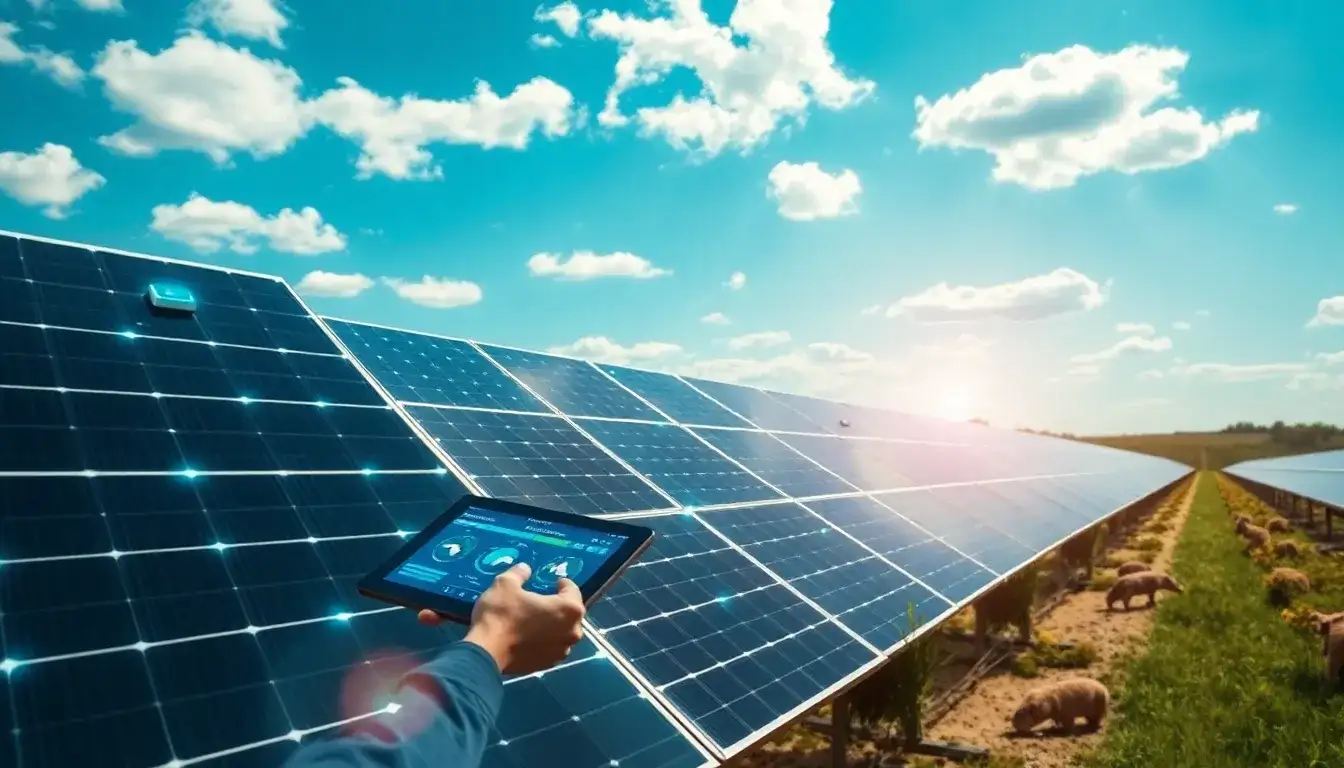
IoT sensors can both detect and help prevent solar panel failures effectively through continuous monitoring and predictive maintenance systems.
How IoT Sensors Detect Solar Panel Failures
- Continuous Performance Monitoring: IoT-based systems monitor multiple parameters such as panel temperature, voltage, current, irradiance, and environmental conditions in real time. This allows early detection of abnormalities like overheating, drops in power output, or micro-cracks that signal panel degradation or faults.
- Fault Diagnosis with Machine Learning: Advanced IoT setups utilize machine learning algorithms to analyze sensor data for anomalies and accurately detect various types of faults in solar PV panels. These systems can diagnose the specific issue and pinpoint the affected panel or module, enabling targeted maintenance.
- Environmental and Soiling Sensors: Sensors measuring dust accumulation and weather conditions help identify performance drops caused by soiling or adverse environmental factors, which might otherwise go unnoticed until after energy loss occurs.
How IoT Sensors Help Prevent Failures
- Predictive Maintenance: By continuously tracking subtle changes in performance metrics and environmental data, IoT systems predict potential failures before they escalate. For example, if a temperature sensor detects an unusual rise, the system alerts operators to intervene proactively, preventing damage.
- Automated Alerts and Recommendations: When anomaly thresholds are crossed, these systems send real-time alerts and maintenance recommendations to operators or homeowners, allowing timely corrective action and avoiding costly repairs or system downtime.
- Extended System Lifespan and Reduced Costs: Predictive maintenance enabled by IoT can prevent up to 70% of common solar system failures and reduce maintenance expenses by 25-30%, while sustaining optimal energy output and extending panel lifespans beyond typical 25-30 years.
Summary Table of IoT Sensor Capabilities in Solar Panel Systems
| Function | Sensor Types & Data | Benefit |
|---|---|---|
| Fault detection | Temperature, voltage/current, irradiance, dust sensors | Early detection of overheating, micro-cracks, connection issues |
| Fault diagnosis | Machine learning analysis of multi-sensor data | Pinpoints specific panel/module faults |
| Performance monitoring | Continuous real-time data collection | Identifies drops in power production |
| Environmental condition tracking | Humidity, wind, irradiance, soiling sensors | Helps isolate environmental impacts |
| Preventive maintenance | Predictive analytics based on sensor data | Reduces failures, maintenance costs |
| Automated fault alerts | Cloud and edge computing platforms | Enables timely maintenance and repairs |
In conclusion, IoT sensor technology transforms solar panel operations into proactive, self-diagnosing systems that detect faults early and prevent failures through predictive maintenance. This leads to enhanced efficiency, lower operational costs, and prolonged panel lifespans.
Original article by NenPower, If reposted, please credit the source: https://nenpower.com/blog/can-iot-sensors-detect-and-prevent-solar-panel-failures/

