

Yes, IoT can significantly reduce the need for manual inspections in solar farms. Here are some ways IoT contributes to minimizing manual inspections:
- Real-Time Monitoring: IoT sensors attached to solar panels provide real-time data on parameters such as panel temperature, voltage, and current, allowing for continuous monitoring without the need for physical checks. This real-time monitoring helps in identifying potential faults or performance issues immediately.
- Automated Fault Detection: IoT systems can automatically detect anomalies or deviations from normal operating conditions, triggering alerts and notifications to maintenance personnel. This proactive approach enables timely interventions and preventive maintenance, reducing downtime and optimizing energy generation.
- Remote Monitoring and Management: IoT technology allows maintenance teams to access real-time data and performance analytics remotely. This capability enables them to assess system health, identify potential faults, and make informed decisions regarding maintenance activities without physically visiting the site.
- Data-Driven Decision Making: The data collected from IoT sensors can be analyzed to optimize maintenance strategies and develop predictive maintenance models. This data analysis helps in identifying trends and potential areas for improvement, leading to increased efficiency and cost savings.
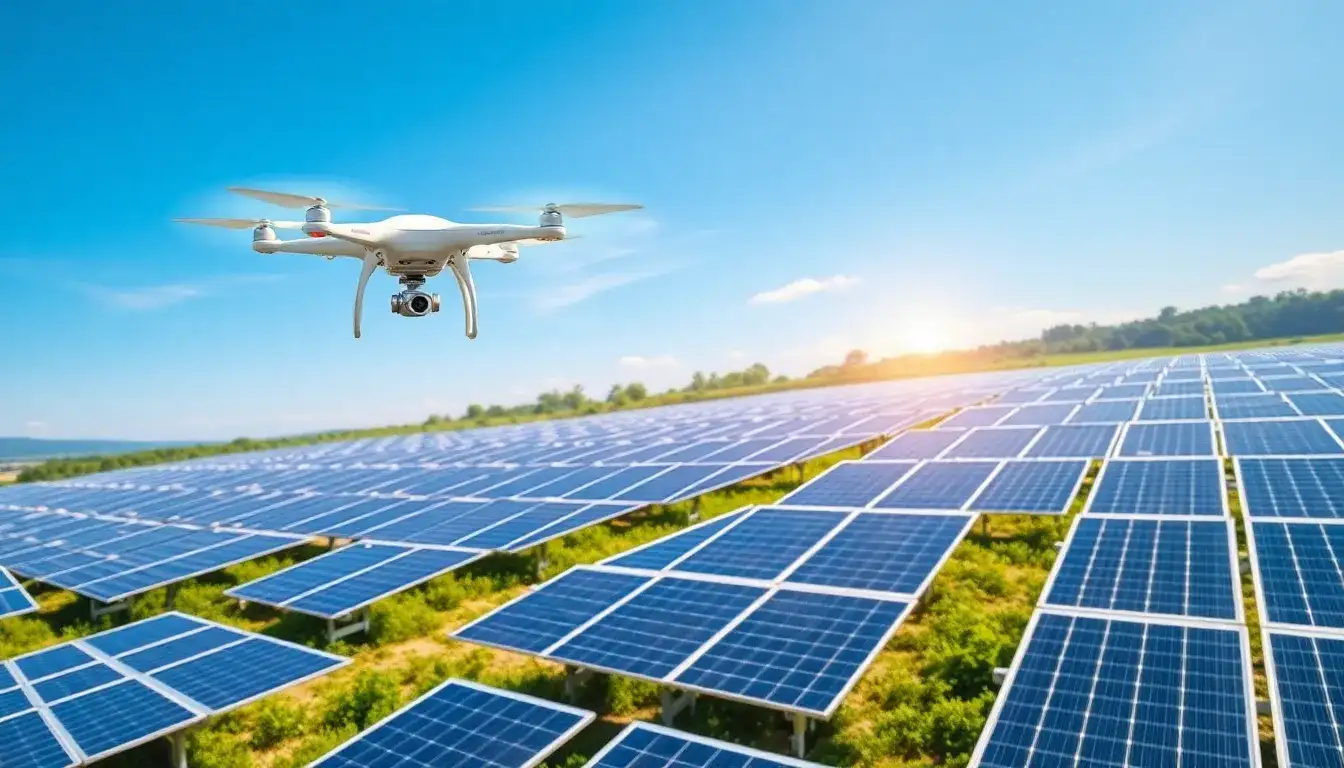
Additionally, technologies like drones and ground robots are being used to automate inspections of solar farms further, providing detailed visual assessments without manual checks. Overall, IoT technologies play a crucial role in minimizing manual inspections by automating monitoring, fault detection, and maintenance planning.
Original article by NenPower, If reposted, please credit the source: https://nenpower.com/blog/can-iot-help-reduce-the-need-for-manual-inspections-in-solar-farms/

