

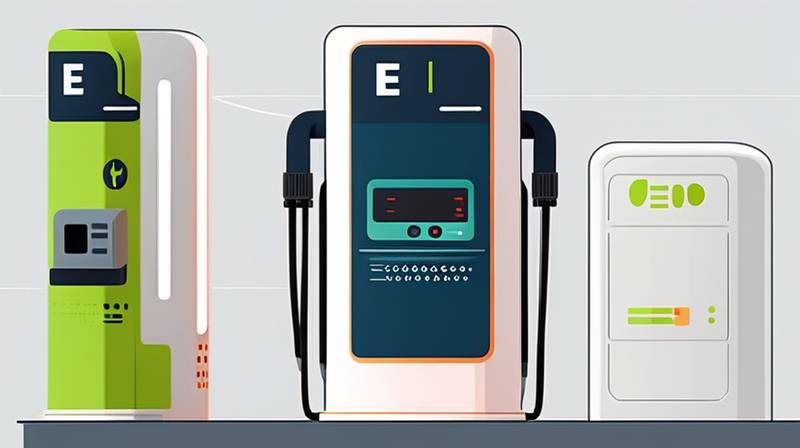
Industrial energy storage systems can indeed support electric vehicle (EV) charging stations. 1. They provide a reliable power supply, 2. They enhance charging speed and efficiency, 3. They facilitate peak load management, 4. They promote renewable energy integration.
1. They provide a reliable power supply: A crucial aspect of supporting EV charging stations is ensuring a stable and uninterrupted power source. Industrial energy storage systems, such as lithium-ion batteries or other advanced technologies, can store excess energy during off-peak hours when energy prices are lower. This stored energy can then be utilized during peak demand periods when charging stations experience higher usage. This capacity to release energy as needed ensures that EV owners have access to reliable charging without straining the local grid. Moreover, in the context of renewable energy sources, such as solar or wind, these storage solutions can capitalize on surplus generation, thus contributing to a greener charging strategy.
2. They enhance charging speed and efficiency: In addition to providing a reliable power supply, industrial energy storage systems can significantly boost the speed and efficiency of charging operations. When multiple electric vehicles arrive at a charging station simultaneously, the demand for power may exceed what the grid can supply. By integrating energy storage, these stations can draw upon stored energy, allowing for simultaneous charging of multiple vehicles without delay. This not only improves the user experience but also minimizes the impact on the grid, particularly in urban areas with dense electrification needs. High-capacity storage systems allow for rapid delivery of electricity during peak times, thereby ensuring that EV users can charge quickly and conveniently.
3. They facilitate peak load management: Effective management of peak load is vital to maintaining the stability and functionality of the electrical grid. By utilizing industrial energy storage systems, charging stations can mitigate the effects of sudden spikes in electricity demand. During times of high demand, such as early evening when individuals return from work, energy storage systems can release stored energy, alleviating strain on the grid. This dynamic management allows for a more balanced energy consumption profile, smoothing out consumption peaks and troughs. Consequently, this capability helps grid operators avoid costly infrastructure upgrades or reliance on less clean energy sources, thus enhancing the sustainability of power systems.
4. They promote renewable energy integration: The push for a greener future necessitates the increased presence of renewable energy sources, which often come with inherent intermittency challenges. Industrial energy storage systems can play a pivotal role in integrating renewables into the charging infrastructure. For instance, in a scenario where solar panels generate surplus energy during the day, energy storage allows this excess to be stored and subsequently utilized for EV charging, particularly when solar generation diminishes during the evening. This synergy not only improves the feasibility of renewable energy adoption but also fosters a more sustainable energy ecosystem where electric vehicle charging can be powered largely from clean energy sources.
TECHNOLOGICAL INNOVATIONS IN ENERGY STORAGE
Within the realm of energy storage, numerous technological advancements have been made over recent years that have revolutionized the capabilities of industrial energy storage systems.
Emerging Technologies: The landscape of energy storage has expanded to include various innovative technologies beyond traditional lithium-ion batteries. These include flow batteries, solid-state batteries, and even promising methods like hydrogen storage. Each technology has its unique benefits and potential applications. For instance, flow batteries, which store energy in external tanks of liquid electrolytes, offer scalability and prolonged discharge times, making them ideal for large-scale energy storage applications supporting charging stations. Furthermore, advancements in solid-state batteries promise higher energy densities and improved safety, which could further enhance the overall performance of industrial energy storage solutions.
Smart Energy Management Systems: Coupled with technological innovations, the integration of smart energy management systems within industrial energy storage frameworks allows for optimal performance. These systems utilize artificial intelligence and machine learning to analyze consumption patterns and predict energy demand. By intelligently managing when to charge and discharge the stored energy, smart management systems can significantly enhance operational efficiencies and reduce costs associated with energy consumption. This level of foresight ensures that charging stations can respond effectively to fluctuating energy demands while promoting the efficient use of renewable resources.
ECONOMIC BENEFITS AND CONSIDERATIONS
The economic implications of integrating industrial energy storage into EV charging infrastructures are substantial and cannot be overlooked.
Cost Reductions: One of the most appealing benefits of deploying energy storage systems alongside charging stations is their potential to reduce overall operational costs. By storing energy during periods of low demand when energy prices are cheaper, charging station operators can insulate themselves against price volatility during peak hours. This strategy not only leads to direct cost savings but also allows for more efficient energy pricing strategies, ultimately resulting in lower charging costs for consumers. Additionally, enhanced system efficiency means operators can maximize the use of their energy resources, leading to further economic advantages.
Financial Incentives and Support Mechanisms: Many regions worldwide are beginning to recognize the importance of investing in renewable energy integration and electric infrastructure. This recognition often comes in the form of financial incentives, grants, and tax rebate programs designed to support the establishment of energy storage systems supporting EV charging stations. Leveraging these financial implications can significantly reduce upfront costs for operators, accelerating the return on investment and making energy storage projects more financially viable in a competitive market.
THE ROLE OF POLICY IN THE ADOPTION OF ENERGY STORAGE
Government policies and regulatory frameworks play a pivotal role in shaping the future of industrial energy storage systems and their integration with EV charging stations.
Supportive Regulatory Frameworks: To promote the adoption of energy storage technologies, many governments are implementing supportive regulatory measures aimed at encouraging investment. Policies that facilitate the monetization of energy storage assets, such as capacity payments or frequency regulation services, can provide revenue streams for operators. Clear regulatory guidelines can also alleviate uncertainties that may deter potential investments, creating a more conducive environment for energy storage development.
Environmental Goals and Commitments: As governments commit to ambitious environmental targets, the synergy between energy storage and electric vehicle infrastructure becomes more vital. By strategically aligning energy storage initiatives with renewable energy goals and emissions reductions, policymakers can not only bolster the infrastructure for EV charging but also drive a broader shift towards sustainable energy solutions. This alignment serves to attract support from various stakeholders, including utilities, investors, and environmental organizations, creating a collaborative framework for advancing energy storage technologies.
CONNOTATIONS FOR THE FUTURE
The intersection of industrial energy storage systems and EV charging stations presents an opportunity to revolutionize not just transportation but the entire energy ecosystem.
Infrastructure Evolution: As the electric vehicle market continues to expand, the demand for robust and efficient charging infrastructures will increase exponentially. The provision of industrial energy storage as a backbone support system allows for evolutionary steps in energy distribution networks, effectively transforming how energy is consumed and managed on a larger scale. Future developments may include the rise of microgrid systems where energy storage, generate renewable energy, and EV charging coalesce, creating symbiotic relationships that enhance sustainability.
Transformative Impact on Energy Markets: The ripple effects of integrating energy storage with EV charging infrastructure extend into broader energy markets. Increased reliance on storage technologies allows for a more distributed energy model, enabling more localized energy consumption and power generation. This transformation places greater emphasis on community engagement and the utilization of neighborhood-specific resources. Consequently, the relationship between users and energy producers could shift, fostering a more democratized energy paradigm where local stakeholders actively contribute to energy sustainability.
FREQUENTLY ASKED QUESTIONS
DO INDUSTRIAL ENERGY STORAGE SYSTEMS IMPACT CHARGING COSTS FOR EV USERS?
Industrial energy storage systems can influence charging costs for electric vehicle users significantly. By utilizing stored energy during peak pricing periods, operators can effectively manage their electricity expenses, often passing these savings onto consumers. This economic strategy means EV drivers may benefit from lower charging rates when energy storage systems are employed. Furthermore, in markets where demand response programs are in place, users may experience additional cost benefits when charging during off-peak times. However, the actual impact on pricing is contingent upon regulatory frameworks, operational strategies, and local electricity market structures.
WHAT ARE THE ENVIRONMENTAL BENEFITS OF INTEGRATING ENERGY STORAGE WITH EV CHARGING STATIONS?
The integration of energy storage systems with EV charging stations can yield numerous environmental benefits, primarily through enhanced utilization of renewable energy sources. When charging stations are equipped with energy storage, surplus energy generated from solar or wind sources can be harnessed effectively. This capability not only maximizes the use of clean energy but also minimizes reliance on fossil fuels during peak electricity demand. Additionally, energy storage reduces the need for fossil fuel-based peaking power plants, thus contributing to lower greenhouse gas emissions. Ultimately, such integrations support global climate initiatives and bolster strides toward carbon neutrality.
HOW DOES CHARGING STATION LOCATION AFFECT THE NEED FOR INDUSTRIAL ENERGY STORAGE SOLUTIONS?
The geographical placement of charging stations significantly determines the local energy demand and supply dynamics. Areas with high electric vehicle penetration, particularly urban environments, face unique challenges related to grid capacity and demand fluctuations. Consequently, integrating industrial energy storage solutions becomes more critical in these settings, as it can alleviate grid stress and ensure continuous charging availability. Conversely, less populated or rural regions might experience lower demand, which could decrease the immediate need for extensive energy storage. However, as the EV market matures and expands, strategic energy storage implementation in these regions would be essential for fostering long-term sustainability and accessibility.
In summation, the integration of industrial energy storage systems with electric vehicle charging stations signifies a transformative advancement in energy management and sustainability. The potential to deliver a reliable power supply, enhance charging speeds, and manage peak loads speaks to the far-reaching advantages of this synergy. Strategic innovations in technology and the supportive economic landscape position these energy storage systems as a fundamental pillar for future electrification efforts. Moreover, the regulatory frameworks and environmental commitments further galvanize this initiative, paving the way for a greener and more decentralized energy future. Stakeholders, including policymakers, energy providers, and consumers, will need to collaborate closely to realize the full potential of these advancements, ensuring that the journey toward widespread EV adoption is sustainable, efficient, and ultimately beneficial for all. The continual evolution and growth within this sector promise not only a revolution in transportation but also a paradigm shift in how we perceive energy utilization and conservation.
Original article by NenPower, If reposted, please credit the source: https://nenpower.com/blog/can-industrial-energy-storage-systems-support-electric-vehicle-ev-charging-stations/

