

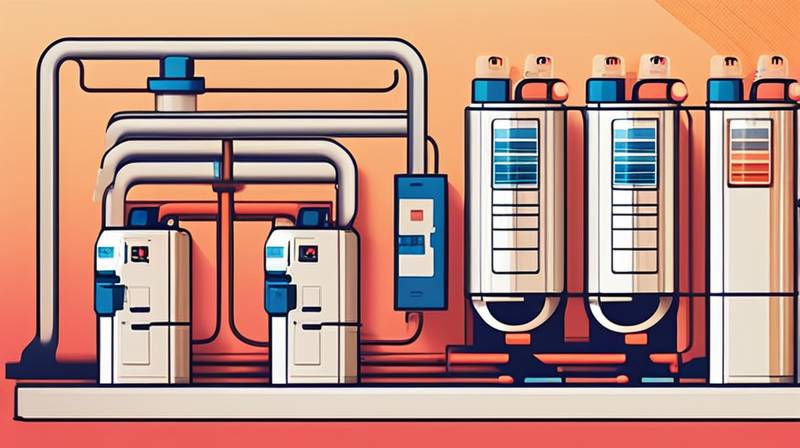
In response to the inquiry regarding whether industrial energy storage systems can operate off-grid, it can be affirmed that they can indeed function independently of the traditional power grid. 1. **Energy storage systems include technologies such as batteries, pumped hydro, and flywheels that enable energy collection and distribution away from centralized grids, 2. These systems provide resilience during outages and contribute to local energy independence, 3. Specific applications, such as renewable energy integration, further enhance their capabilities in off-grid scenarios, 4. Challenges like initial investment and regulatory frameworks must be addressed for widespread adoption.
1. INTRODUCTION TO INDUSTRIAL ENERGY STORAGE
Industrial energy storage systems are pivotal in enhancing energy reliability and sustainability. These systems allow for the accumulation of energy generated during low demand periods for later use during peak demands. Essentially, they act as reservoirs of energy, storing electricity for when it is most critical. The advent of renewable energy sources such as solar and wind has reshaped the landscape of energy storage, making this topic even more pertinent. With the continual fluctuation in energy requirements and supply, industrial sectors have begun to adopt energy storage solutions.
The ability of these systems to operate off-grid is a significant aspect. Off-grid capabilities mean that these energy storage systems can fulfill energy needs without relying on the traditional electricity infrastructure. This aspect is particularly beneficial in remote locations where grid connectivity may be nonexistent or unreliable. The importance of understanding how these systems work, their applications, and the challenges they face in off-grid operations is crucial for industries considering this innovative approach to energy management.
2. TYPES OF INDUSTRIAL ENERGY STORAGE SYSTEMS
2.1. BATTERY ENERGY STORAGE
Battery Energy Storage Systems (BESS) have gained immense popularity due to their adaptability and scalability. Utilizing various chemical processes, batteries can store electrical energy generated from renewable sources like solar and wind. From lithium-ion to flow batteries, each type offers distinct advantages suited to different industrial applications. Lithium-ion batteries, for instance, are favored in sectors demanding quick response times and high energy density.
Moreover, the technology continues to evolve, leading to heightened energy densities and reduced costs. Consequently, industries are looking towards these systems to reduce operational costs over the long term. Furthermore, battery storage enables businesses to optimize energy usage, creating a more sustainable operational model. By storing excess energy produced during periods of high generation and discharging it during peak demand, companies can considerably diminish energy expenses.
2.2. PUMPED HYDRO STORAGE
Pumped hydro storage is another conventional approach that remains relevant in the energy storage landscape. This method involves storing energy by lifting water to a higher elevation and releasing it through turbines when energy demand surges. While this technology has been popular for decades, its utility can extend to industrial applications as well.
The strengths of pumped hydro include high scalability and long-duration energy storage capabilities. Industrial facilities that have access to suitable geographical features such as hills or mountains may contemplate implementing these systems. However, the feasibility of such investments must consider environmental impacts alongside upfront costs. Moreover, the ability to store energy at a significant scale allows industries to actively participate in grid demands, creating a symbiotic relationship between energy producers and consumers.
3. OFF-GRID OPERATION CAPABILITIES
3.1. RENEWABLE INTEGRATION
One of the cornerstones of the off-grid functionality of industrial energy storage systems is their ability to integrate seamlessly with renewable energy sources. Solar panels and wind turbines are often deployed in conjunction with these systems to ensure that energy generation aligns more closely with consumption patterns. This integration not only provides energy independence but also diminishes reliance on fossil fuels.
By implementing battery systems, businesses can utilize the energy generated during peak production times to meet their operational needs during off-peak hours. Such a mechanism promotes stability and resilience within the industrial ecosystem. Furthermore, enhancements in grid-quality management contribute to an effective transition from centralized energy sources to decentralized and renewable-dependent methods.
3.2. ESSENTIAL INFRASTRUCTURE FOR OFF-GRID SOLUTIONS
For industrial energy storage systems to operate off-grid effectively, specific infrastructure is necessary. Energy management systems are critical as they orchestrate the flow of energy between storage, generation, and consumption. Such systems utilize advanced algorithms and predictive models to optimize energy usage and ensure that energy is available whenever needed.
Moreover, proper monitoring and analytics enhance operational efficiency. By collecting data about energy consumption patterns, installations can adapt to fluctuations in demand, further enhancing the reliability of off-grid operation. With continuous advancements, these technologies are evolving to create smarter and more resilient energy systems capable of performing autonomously while delivering consistent power supply.
4. CHALLENGES AND CONSIDERATIONS
4.1. FINANCIAL CONSIDERATIONS
The feasibility of industrial energy storage systems being deployed off-grid is highly influenced by financial aspects. While the long-term savings may be considerable, the initial capital investment can be a significant deterrent. Factors such as installation costs, maintenance, and potential financing options must be adequately evaluated before committing to a project.
Additionally, the economic viability is also influenced by local energy prices and availability. In scenarios where grid electricity is cheap and readily accessible, the justification for investing in off-grid solutions becomes less compelling. Industries must analyze their specific environments, including energy demands, to ascertain whether these solutions align with economic objectives.
4.2. REGULATORY LANDSCAPE
For industries considering off-grid energy storage solutions, the regulatory landscape can pose both challenges and opportunities. Policies may vary widely based on geographical location, influencing market deployment strategies. In some regions, incentives for renewable energy generation may greatly benefit the overall financial outlook for implementing storage systems, while in others, bureaucratic hurdles may limit deployment options.
Understanding existing regulations, potential rebates, or subsidies is critical for planning. Regulatory frameworks that accommodate innovative solutions create an environment of encouragement for adopting energy storage systems. Industries must stay informed about evolving policies to align projects with governmental goals, potentially benefiting from financial support and cultivating a more sustainable operational approach.
5. FUTURE TRENDS IN OFF-GRID OPERATIONS
5.1. TECHNOLOGICAL ADVANCEMENTS
The future of off-grid industrial energy storage systems appears promising, driven by ongoing technological advancements. Developments in batteries, particularly solid-state technology, are anticipated to bolster energy density while enhancing safety. Moreover, the integration of Artificial Intelligence (AI) and machine learning into energy management systems predicts more adaptive and responsive systems.
Additionally, innovations in materials and processes aim to reduce costs associated with energy storage technologies. Emerging startups and research-driven initiatives are focusing on creating affordable and sustainable energy storage solutions, thereby increasing market adoption across various industrial sectors. Such advancements contribute to a future where energy storage can effectively support off-grid capabilities.
5.2. GROWING DEMAND FOR SUSTAINABLE SOLUTIONS
As global attention shifts towards sustainability, businesses are increasingly prioritizing eco-friendly practices. The push for greener operations fuels the demand for off-grid industrial energy storage. By leveraging local renewable resources and minimizing carbon footprints, industries can align their operational practices with consumer preferences and regulatory expectations.
This movement towards sustainability will likely continue to accelerate as industries acknowledge the benefits of implementing energy storage systems. The strategic interplay between environmental responsibility and economic viability promotes a future where energy storage transcends traditional operational models, driving a significant transformation in how industries manage energy consumption independently.
OFTEN ASKED QUESTIONS
WHAT TYPES OF INDUSTRIAL ENERGY STORAGE SYSTEMS EXIST?
Industrial energy storage encompasses several technologies, each tailored for different use cases. The most commonly deployed types include battery energy storage, pumped hydro systems, and flywheel storage solutions. Battery systems, particularly lithium-ion technologies, are favored for their quick response times and high energy density. On the other hand, pumped hydro storage is more suitable for large-scale applications due to its high capacity and long-duration storage capabilities. Flywheel storage also emerges as an attractive option for applications requiring rapid energy discharge. Each technology is continually evolving, thus further expanding its applicability in industrial contexts.
HOW CAN INDUSTRIAL ENERGY STORAGE SYSTEMS BENEFIT BUSINESSES OFF-GRID?
Off-grid industrial energy storage systems provide numerous advantages that enhance both operational efficiency and cost-effectiveness. By enabling businesses to store excess energy generated during low-demand periods, these systems ensure that energy is available even during peak consumption times, thus minimizing reliance on external energy sources. Furthermore, they facilitate the integration of renewable energy solutions, allowing firms to reduce their carbon footprints. This sovereignty over energy usage promotes resilience against outages and energy price fluctuations, promoting financial viability. In essence, the deployment of off-grid energy storage enhances energy independence while fostering sustainable operational practices for businesses.
WHAT CHALLENGES SHOULD INDUSTRIES CONSIDER IN OFF-GRID DEPLOYMENTS?
Industries contemplating the adoption of off-grid energy storage systems should address several challenges to ensure successful implementation. Primarily, the initial financial investment can be substantial, necessitating a detailed cost-benefit analysis to ascertain long-term viability. Additionally, the regulatory environment may pose barriers, with policies differing significantly between regions. Understanding and navigating these regulations will be crucial to facilitate innovation and incentivize adoption. Last but not least, ongoing maintenance and support must be factored into operational planning to prevent system downtimes and ensure optimal performance. Recognizing these challenges ahead of time contributes to a proactive approach toward the deployment of off-grid energy solutions.
In summary, industrial energy storage systems indeed possess the capability to function off-grid, rendering them invaluable in today’s evolving energy landscape. This independence from traditional grids can be accomplished through various technologies, including batteries, pumped hydro, and advanced systems tailored to energy needs. Each pathway requires careful consideration of initial investments, regulatory frameworks, and technology choices that align with sustainability goals. As companies turn to these solutions, they must evaluate financial feasibility and operational readiness to harness the full benefits of off-grid advantages. The transformation toward self-sufficient energy frameworks reflects broader trends in enhancing energy resilience and environmental responsibility, thus positioning industries favorably in an increasingly dynamic market. The future of industrial energy storage will undoubtedly be characterized by continuous innovations, creating expansive possibilities for environmentally sustainable growth as industries adopt off-grid systems. Such momentum will enable businesses to fulfill energy demands while simultaneously contributing to broader goals of energy efficiency and stability.
Original article by NenPower, If reposted, please credit the source: https://nenpower.com/blog/can-industrial-energy-storage-systems-operate-off-grid/

