

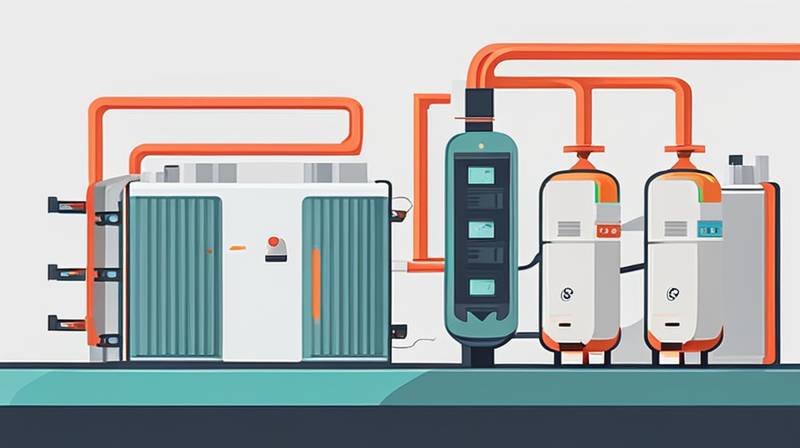
Can industrial energy storage systems be used for emergency power backup in large facilities?
1. Industrial energy storage systems can indeed serve as robust emergency power backup solutions for large facilities. 2. These systems provide reliable energy storage capacity that ensures uninterrupted power supply during outages. 3. They can offer a more sustainable option compared to conventional diesel generators. 4. Additionally, their implementation can lead to cost savings through demand charge management and peak shaving. One crucial aspect to elaborate on is the ability of these systems to integrate renewable energy sources, such as solar and wind, ensuring a continuous and environmentally friendly power supply while enhancing the facility’s overall resilience to energy disruptions.
1. SIGNIFICANCE OF INDUSTRIAL ENERGY STORAGE SYSTEMS
In recent years, the conceptual framework surrounding energy storage has seen significant advancements, particularly in the context of industrial applications. Industrial energy storage systems (IESS) are engineered to capitalize on the inherent value of stored energy, providing a versatile tool for modern facilities aiming to enhance their operational effectiveness and resilience. With an increasing reliance on renewable energy sources, the integration of IESS has emerged as a pivotal strategy in fortifying energy security and facilitating the transition towards a more sustainable energy grid.
The advent of IESS marks a transformative shift in how large facilities approach their energy consumption and management. Initially designed for energy balancing, these systems have evolved to address a broader set of challenges, including demand response, load shifting, and emergency power backup capabilities. Disruptions in power supply can have dire consequences on operations, influencing everything from production schedules to safety protocols. By harnessing the potential of industrial energy storage, facilities can mitigate the impact of unexpected outages and interruptions, ultimately safeguarding their operations against the unpredictable nature of the energy landscape.
2. OPERATIONAL MECHANISMS OF INDUSTRIAL ENERGY STORAGE
The operational mechanics of IESS are largely characterized by their ability to charge and discharge energy based on fluctuating demands. At the heart of these systems is a sophisticated control strategy that ensures optimal performance, allowing facilities to store energy during low-demand periods and release it when needed most. Common technologies include lithium-ion batteries, flow batteries, and even traditional lead-acid systems, each with unique attributes suited for various industrial scenarios.
Battery energy storage systems (BESS) have emerged as a primary choice for numerous large facilities due to their scalability and efficiency. These systems capture excess electricity produced during off-peak hours, which can then be utilized during peak usage or emergencies. Control systems integrated within BESS can autonomously determine the most advantageous times to charge and discharge energy, contributing to a balanced energy portfolio. Furthermore, the development of smart grid technologies enhances the capability of IESS, allowing for real-time adjustments that optimize energy flow throughout the facility.
3. BENEFITS OF USING INDUSTRIAL ENERGY STORAGE FOR EMERGENCY BACKUP
Utilizing industrial energy storage systems offers a multitude of advantages when configured for emergency power backup. A significant benefit lies in the enhanced operational resiliency afforded by these systems. Unlike conventional backup generators, which often rely on fossil fuels, energy storage systems can leverage renewable energy sources for charging, thus promoting sustainability and reducing the carbon footprint.
Moreover, energy storage systems can provide a degree of flexibility in energy management, allowing facility operators to respond dynamically to power supply variations. During a grid outage, facilities can draw on stored energy reserves to maintain critical operations such as lighting, HVAC systems, and other essential machinery. This capability is especially crucial in sectors where downtime is not an option, such as healthcare, manufacturing, and data centers, where continuous operation is paramount.
Additionally, adopting energy storage systems for backup functions can lead to significant cost savings. By utilizing stored energy to avoid peak demand charges, facilities can optimize their energy expenditure, translating into substantial financial efficiencies over time. Furthermore, the reduced reliance on traditional backup generators leads to lower maintenance costs and increased operational simplicity.
4. CHALLENGES AND CONSIDERATIONS
Despite the many advantages of implementing industrial energy storage systems, several challenges must be acknowledged. One primary consideration is the initial capital expenditure required for setting up these systems. The costs associated with procuring, installing, and maintaining energy storage technologies can be substantial, particularly for larger installations. Hence, careful financial planning and a comprehensive understanding of the expected return on investment are necessary prior to implementation.
Moreover, the technological landscape surrounding energy storage is rapidly evolving, which presents a potential risk for facilities looking to invest heavily in specific technologies. The pace of innovation means that products can become outdated quickly, thus complicating long-term operational strategies. Facility managers must ensure that they are equipped with the most up-to-date information regarding available technologies and products to make informed decisions about their energy storage investments.
Equally pivotal is the infrastructure required to support industrial energy storage systems. Facilities must evaluate their current electrical systems for compatibility with the chosen IESS technology. This involves assessing existing electrical loads, connection points, and grid interconnection capabilities. In many cases, retrofitting might be necessary to accommodate the new energy storage solutions, necessitating a thorough electrical audit before implementation.
5. INTEGRATION WITH RENEWABLE ENERGY
The synergy between industrial energy storage systems and renewable energy sources is an integral aspect of sustainable operations. By enabling facilities to store energy generated from renewable sources, such as solar photovoltaic (PV) systems and wind turbines, IESS can maximize the usage of clean energy, irrespective of intermittent generation patterns. This integration effectively enhances self-sufficiency and energy independence while reducing dependence on conventional power sources.
Moreover, the combined use of renewable energy and energy storage can yield impressive financial benefits. In regions where energy prices fluctuate significantly, facilities can strategically store energy during periods of low demand, taking advantage of lower electricity rates while using stored energy during peak pricing intervals. This dual approach not only minimizes operational costs but also allows facilities to participate in energy markets by offering stored energy back to the grid during peak demand.
6. REGULATORY AND POLICY IMPLICATIONS
The incorporation of industrial energy storage systems into large facilities is also influenced by regulatory frameworks and policies that govern energy usage and sustainability initiatives. Governments and regulatory bodies are increasingly recognizing the importance of energy storage in advancing energy resilience while promoting environmentally responsible practices.
Facilities must stay well-informed about evolving regulations surrounding energy storage deployment. This includes incentives, tax breaks, or grants that can significantly offset the costs associated with implementing these systems. Moreover, regulations that address grid interconnection or energy market participation can impact how facilities integrate these systems into their operational fabric.
By clearly understanding the regulatory landscape, facility operators can more effectively navigate the complexities surrounding energy storage adoption while reaping the associated benefits. Active engagement with policymakers and industry associations can also serve to influence regulatory trajectories, ensuring that facilities remain proactive in advocating for favorable policies conducive to energy innovation.
FAQS
Q1: ARE INDUSTRIAL ENERGY STORAGE SYSTEMS COST-EFFECTIVE FOR LARGE FACILITIES?
When evaluating the cost-effectiveness of industrial energy storage systems, several factors come into play. Initial investment costs can be significant, encompassing equipment procurement, installation, and necessary infrastructure modifications. However, the long-term savings derived from reduced energy costs, lower demand charges, and enhanced operational efficiency can outweigh these initial expenditures. Facilities can often benefit from incentives and rebates offered by governments and energy utilities aimed at encouraging energy storage adoption. Moreover, utilizing energy storage for peak shaving and demand response can lead to decreased reliance on more expensive grid electricity during peak demand periods. In essence, while up-front costs can be a deterrent, the financial advantages and operational resilience gained over time can validate the strategic implementation of industrial energy storage systems.
Q2: WHAT TYPES OF ENERGY STORAGE TECHNOLOGIES ARE AVAILABLE FOR INDUSTRIAL USE?
Industrial facilities can choose from a wide array of energy storage technologies, each presenting unique advantages and challenges based on specific operational needs. Battery energy storage systems (BESS), particularly lithium-ion batteries, have become a popular choice due to their high efficiency and scalability. Flow batteries offer additional longevity and the ability to decouple power from energy capacity, making them suitable for longer-duration storage applications. Other technologies include flywheels, which provide rapid response times for short-duration applications, and compressed air energy storage (CAES), suitable for large-scale deployments. Moreover, advancements in supercapacitors are introducing new possibilities for immediate energy release applications. Facility operators must thoroughly analyze their energy profiles and specific use cases to select the most appropriate storage technology that aligns with their requirements.
Q3: CAN INDUSTRIAL ENERGY STORAGE SYSTEMS FUNCTION DURING A GRID OUTAGE?
One of the primary advantages of industrial energy storage systems is their capability to function independently during grid outages. These systems can seamlessly transition from grid alignment to backup supply mode, providing stored energy directly to critical equipment and services within the facility. This functionality is particularly vital for establishments that require uninterrupted power supply, such as hospitals, data centers, and manufacturing plants. The ability to harness stored energy during outages enhances the facility’s resilience against disruptions and contributes to overall operational reliability. However, it’s essential to ensure proper configuration of the energy storage system to facilitate automatic switching and coordination with existing power management systems to achieve uninterrupted service.
Bolded Statement: In the ever-evolving landscape of industrial operations, energy security is paramount, influencing not only productivity but also stakeholder confidence and overall operational integrity. Embracing industrial energy storage systems for emergency power backup presents an innovative solution that transcends traditional energy management strategies. These systems empower large facilities to navigate uncertainties within the energy grid while enhancing their resilience and operational sustainability. With the dual capacity to harness renewable energy sources and serve as reliable backup during outages, IESS stands at the forefront of the transition towards a more stable and sustainable energy paradigm.
Moreover, the strategic advantages afforded by industrial energy storage solutions extend beyond mere cost savings—facilities can cultivate a proactive energy management culture, fostering innovation and encouraging ongoing investment in advanced technologies. The interplay between regulatory considerations, financial incentives, and technological evolution will invariably shape the trajectory of energy storage integration within industrial settings.
As organizations grapple with the complexities of energy planning amidst shifting paradigms, the incorporation of industrial energy storage systems emerges as a prudent and forward-thinking strategy. By embracing these systems, large facilities not only ensure continuity in their operations but also contribute to the broader goal of enhancing resilience within an increasingly volatile energy landscape. In summary, the evolution of industrial energy storage presents a transitional opportunity for large facilities to redefine their approach to energy management while significantly enhancing their operational capabilities and long-term sustainability, eradicating the constraints of outdated energy paradigms.
Original article by NenPower, If reposted, please credit the source: https://nenpower.com/blog/can-industrial-energy-storage-systems-be-used-for-emergency-power-backup-in-large-facilities/

