

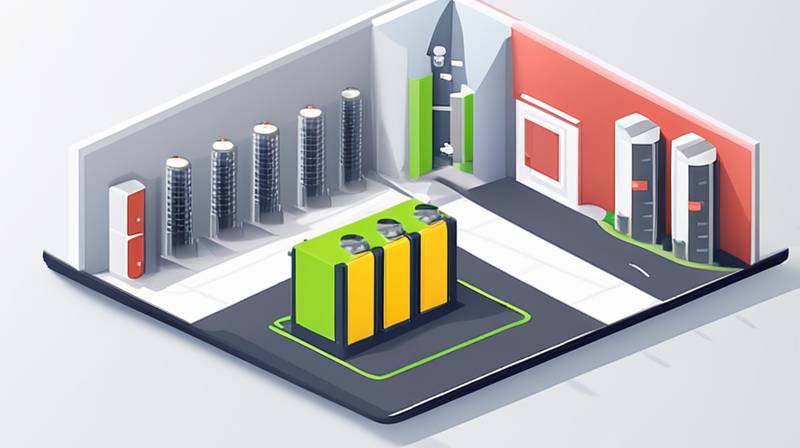
Can industrial energy storage systems be installed indoors or outdoors?
1. Yes, industrial energy storage systems are adaptable for both indoor and outdoor installations, benefiting from distinct advantages in both settings, 2. Installation site selection is influenced by various factors, including space availability, environmental conditions, and specific application requirements, 3. The regulatory and safety considerations must be thoroughly examined. Indoor installations often allow for better temperature control and security, while outdoor setups can reduce spatial constraints and potential fire hazards.
When determining the optimal location for industrial energy storage systems, various aspects must be addressed.
1. INDOOR INSTALLATION ADVANTAGES
Indoor installations of industrial energy storage systems offer unique benefits that make them a favorable choice for many businesses. One of the primary advantages is temperature regulation. Energy storage systems, particularly lithium-ion batteries, require consistent temperatures for optimal performance and longevity. By housing these systems indoors, companies can maintain an environment that mitigates temperature fluctuations, thereby extending the lifespan and enhancing the efficiency of energy storage units.
Moreover, security is another crucial factor. Indoors, energy storage systems are less vulnerable to vandalism and theft. This is particularly vital for valuable assets like battery systems that can be costly to replace. Controlled access to indoor facilities can also ensure that only authorized personnel handle sensitive equipment, thereby minimizing risks of accidents and unauthorized usage.
Another consideration is the impact on the surrounding environment. Indoor installations contribute less to landscape disruption and adhere to aesthetic standards that might be paramount for certain organizations. With an indoor installation, businesses can integrate energy storage solutions more seamlessly into their operations while also maintaining a professional appearance.
In addition, indoor systems often benefit from proximity to electric loads. This spatial arrangement allows for easier integration with existing power systems and reduces transmission losses. Consequently, the efficiency of energy usage can significantly improve, resulting in lower overall energy costs for the organization.
2. OUTDOOR INSTALLATION ADVANTAGES
Outdoor installations of industrial energy storage systems are also advantageous, particularly in terms of space utilization. Many businesses operate in environments where indoor space is at a premium, making outdoor installations a practical solution. This is especially true for large-scale industries that require extensive energy capacity and storage. Outdoor setups allow for larger systems without encroaching on valuable indoor real estate.
Furthermore, outdoor locations can provide favorable conditions for natural cooling. In certain climates, outdoor environments can help in dissipating heat generated by energy storage systems, particularly during peak operation periods. This natural cooling can enhance performance efficiency while reducing reliance on active cooling systems inside a facility, subsequently lowering energy consumption.
Environmental resilience is another critical factor favoring outdoor installations. Certain battery technologies are designed to withstand outdoor elements like rain, snow, and temperature variations. As such, with proper enclosure and protection, outdoor installations can function reliably under various weather conditions, thereby increasing operational resilience.
Moreover, outdoor installations can serve as a solution to urban density. As cities become more congested, outdoor energy storage options become essential for new developments seeking to reduce their carbon footprint. Strategic planning often involves deploying energy systems in designated energy zones, promoting a more holistic approach to energy management on a larger scale.
3. SAFETY CONSIDERATIONS
Safety is paramount in determining whether to install industrial energy storage systems indoors or outdoors. When choosing to install systems outside, careful consideration must be given to environmental factors such as lightning, flooding, and other potential hazards. Protective measures may include installing grounding systems, choosing flood-resistant locations, and employing robust enclosures to shield equipment from the elements.
On the other hand, indoor installations present their own safety challenges. The concentration of energy storage systems in confined spaces necessitates rigorous fire safety measures. Lithium-ion batteries, in particular, are known for their propensity to catch fire under certain conditions, making it critical to implement fire detection and suppression systems. Additionally, ensuring proper ventilation is essential to prevent the buildup of gases that may result from battery malfunction.
Compliance with local, state, and national regulations is also crucial. Both indoor and outdoor installations must meet specific safety codes and standards. Knowledge of these requirements is essential for minimizing risks and ensuring that installations are aligned with best practices in energy management and safety.
Furthermore, training personnel is vital for ensuring safe operational practices. Employees managing energy storage systems must be equipped with knowledge regarding emergency procedures, system handling, and potential hazards. This ongoing education ensures higher safety levels in both indoor and outdoor installations.
4. REGULATORY COMPLIANCE
Adhering to regulatory standards is an indispensable aspect of installing industrial energy storage systems, whether indoors or outdoors. Many jurisdictions have set forth guidelines governing energy storage systems, ensuring that installations are not only safe but also environmentally friendly. Compliance with these regulations often requires a thorough understanding of local regulations, which can vary widely from one region to another.
In some cases, outdoor installations may face stricter scrutiny due to their potential environmental impact. Regulatory bodies may require environmental impact assessments or specific permits before granting approval for outdoor energy storage systems. The necessity for these assessments underscores the importance of understanding local environmental regulations, as non-compliance can result in severe penalties or project delays.
Indoor installations also have regulatory stipulations that must be met. These may involve adhering to fire safety codes, zoning laws, and health regulations to ensure that such systems do not pose risks to occupants or neighboring businesses. While an indoor setup may seem more straightforward, ensuring compliance with various regulations is still necessary for operating a safe and efficient energy storage system.
In addition to meeting these various safety and regulatory requirements, companies must also maintain regular inspection and maintenance routines. Ongoing compliance not only assures the safety of the facility but also fosters trust among stakeholders and enhances the company’s reputation for responsibility.
FAQs
CAN ENERGY STORAGE SYSTEMS BE INSTALLED IN SMALL SPACES?
Indeed, energy storage systems can be installed in compact environments, contingent on specific configurations and technology types. Advanced battery technologies such as lithium-ion batteries are designed to occupy less physical area due to their energy-dense characteristics. This enables their deployment in smaller facilities, ensuring that sufficient storage capacity is available even with space constraints.
Moreover, modular designs further enhance deployment in limited areas. These systems can be arranged in a variety of layouts to optimize space without sacrificing performance or reliability. Such flexibility makes it possible for businesses with limited real estate—like urban organizations—to deploy effective energy storage systems seamlessly.
In these circumstances, an assessment of the location’s available space combined with energy storage requirements is imperative. Conducting this thorough investigation allows businesses to determine the most suitable configuration and technology choice that best fits spatial limitations. Consultation with energy professionals can further streamline this process, ensuring energy solutions that align with both operational and spatial demands.
WHAT MAINTENANCE IS REQUIRED FOR ENERGY STORAGE SYSTEMS?
Maintenance for energy storage systems is essential to ensure optimal performance and longevity. Routine checks should encompass visual inspections for physical damage, thermal performance monitoring, and battery health assessments. Regular maintenance tasks often include checking connections, ensuring that cooling systems function effectively, and monitoring system software for updates and necessary calibrations.
Technicians should also conduct preventive maintenance annually. This might involve cleaning battery terminals, testing safety systems, and checking for corrosion and physical wear on hardware. Proactive maintenance can help identify potential issues before they escalate, ultimately saving companies from costly repairs and downtime.
Maintaining equipment ensures safe operations while improving the efficiency of energy stored. Routine data analyses can help determine any unusual performance trends, prompting further investigation into potential maintenance needs. Regular reviews and checks should prioritize the long-term health of the energy storage system, enabling organizations to derive maximum value from their investments.
WHAT ARE THE COST IMPLICATIONS OF INSTALLING INDOOR VS. OUTDOOR ENERGY STORAGE?
Cost implications surrounding indoor and outdoor installations can be significantly different, influenced by various factors like infrastructure requirements, site preparation, and safety installations. Indoor installations might necessitate additional expenses related to climate control systems, enhanced fire safety measures, and workspace modifications. These costs can add up, particularly in older buildings that may require structural reinforcement.
Conversely, outdoor installations may involve upfront costs related to protective enclosures, site grading, and installations that account for environmental protection. However, once the system is established, maintenance costs may be lower compared to indoor setups, especially if outdoor systems benefit from natural weather conditions. Indirect costs, such as extended lifespan and optimal performance, should also be evaluated alongside the base installation expenses.
Ultimately, a comprehensive cost-benefit analysis is essential, taking into account both initial outlay and life cycle costs. Understanding long-term investments versus upfront expenses can guide organizations in making informed decisions that align with financial strategy, operational goals, and energy sustainability objectives. Environmental factors and site-specific conditions must factor into any comprehensive cost analysis to ensure accuracy.
Final Thoughts
The matter of installing industrial energy storage systems—whether indoors or outdoors—holds significant implications for operational efficiency, safety, regulatory compliance, and overall organizational success. Thoughtful considerations concerning space constraints, environmental factors, and performance optimization pave the way for choices that can profoundly influence a business’s energy strategy.
Both indoor and outdoor installations come with unique benefits; consequently, careful analysis must guide the decision-making process. Proximity to power systems, environmental impacts, and safety measures rank among pivotal points that must be deliberated prior to any installation. Equally critical is the regulatory landscape that may govern these choices, ensuring compliance while streamlining the installation and operation of energy storage technologies.
Regardless of the method chosen, ongoing maintenance, robust safety protocols, and adherence to regulatory compliance will remain key elements that dictate the successful integration of energy storage systems. Ultimately, the landscape of energy storage is dynamic and evolving, and organizations must be prepared to navigate these challenges with flexibility and foresight.
The decisions made today concerning indoor versus outdoor energy storage systems will not only shape operational efficiencies in the immediate future but will also influence long-term sustainability and success in an increasingly energy-conscious world. Formulating a comprehensive strategy that encompasses space availability, safety standards, environmental considerations, and regulatory compliance will empower organizations to harness energy storage systems’ full potential.
Original article by NenPower, If reposted, please credit the source: https://nenpower.com/blog/can-industrial-energy-storage-systems-be-installed-indoors-or-outdoors/

