

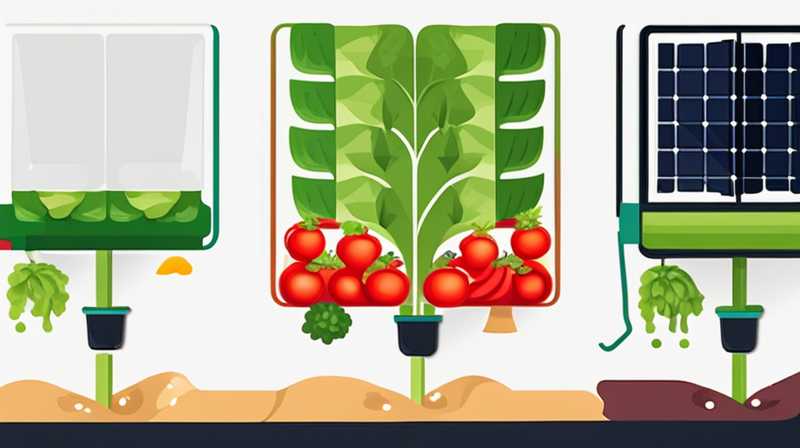
1. Yes, solar energy can be utilized for watering vegetables through solar-powered irrigation systems, drip irrigation, or energy-efficient water pumps. Utilizing solar energy not only reduces reliance on conventional energy sources but also promotes sustainability in agricultural practices. 2. Efficient irrigation methods like drip irrigation or soaker hoses allow precise delivery of water to the plants, minimizing waste and ensuring that the vegetables receive adequate moisture. Drip systems distribute water directly to the plant roots, reducing evaporation and runoff, while soaker hoses gently release water along their length, allowing for deep soil penetration. 3. By integrating solar energy with efficient irrigation methods, gardeners can optimize vegetable health, conserve resources, and contribute positively to the environment. Additionally, utilizing rainwater harvesting systems can complement solar energy solutions for a water-efficient gardening practice. 4. Solar energy-driven irrigation promotes growth in a cost-effective manner, as it can significantly reduce electricity costs associated with traditional water pumping systems, leading to increased profitability for farmers and gardeners over time.
UTILIZING SOLAR ENERGY FOR VEGETABLE WATERING
Adopting solar energy as a viable method for watering vegetables represents a modern approach to sustainable agriculture. Vegetables necessitate consistent moisture for optimal growth, and traditional methods of irrigation can be inefficient or costly. The integration of solar energy into watering systems provides a unique solution to this issue by harnessing a clean, renewable energy source. Solar-powered irrigation systems utilize photovoltaic panels to convert sunlight into electricity, which can then be applied to various irrigation techniques such as drip or sprinkler systems, each tailored to fit specific gardening or farming needs.
In this section, the exploration of solar energy’s applicability, installation, and ongoing performance will be conducted. It is pivotal to understand that leveraging solar energy for watering vegetables requires careful planning and consideration of several factors. By examining the configuration of the solar-powered irrigation systems available on the market and assessing site-specific conditions such as sunlight exposure and water availability, one can make informed choices that enhance the efficiency and effectiveness of vegetable watering.
1. THE BENEFITS OF SOLAR ENERGY IN IRRIGATION
Using solar energy for irrigation offers numerous advantages, including cost savings, sustainability, and enhanced plant growth. Firstly, the investment in solar panels may seem substantial initially, but over time, these systems can significantly reduce energy expenses. Conventional pumps driven by conventional electricity often incur high monthly costs, particularly during peak usage periods. In contrast, solar-powered systems incur minimal operational costs after the initial investment, leading to long-term savings.
Secondly, employing solar energy mitigates the environmental footprint associated with traditional agricultural practices. Agriculture consumes large amounts of fossil fuels, particularly for irrigation purposes. By shifting to renewable energy, farmers and gardeners can lower greenhouse gas emissions, contributing towards broader environmental goals. Moreover, solar energy helps mitigate the effects of water scarcity, an increasing concern in many regions worldwide. By reducing reliance on finite resources and utilizing available sunlight, we create a more sustainable future for our agricultural practices.
In addition to economic and environmental benefits, using solar energy positively impacts crop yield and quality. Hydration is crucial for healthy plant development, and with the consistency and precision possible with solar-powered irrigation systems, plants receive the right amount of water when needed. This tailored approach not only maximizes resource utilization but also minimizes risks of overwatering and under-watering. The efficiency of solar irrigation systems enables growers to optimize vegetable quality while reducing waste.
2. UNDERSTANDING IRRIGATION SYSTEMS
With the myriad of solar-powered irrigation systems available, understanding how each functions is vital. Drip irrigation systems are among the most efficient and widely used options. These systems utilize a network of tubing installed close to the plant base, where small emitters release water slowly, effectively penetrating the soil. This targeted approach reduces competition for water among plants and minimizes evaporation losses typically encountered with traditional sprinkler systems.
The installation of drip irrigation systems can involve more upfront work, including laying out the tubing and connecting it to a solar-powered pump, but the long-term benefits are substantial. Such systems can significantly reduce water usage—studies indicate that they utilize 30-50% less water compared to traditional methods. By mastering drip irrigation through solar energy, gardeners can enhance water efficiency while conserving this precious resource.
Another noteworthy option is sprinkler systems converted to solar power. While they may not achieve the same water efficiency as drip systems, solar-powered sprinklers can cover large areas effectively. This method suits crops that require more extensive coverage or where rapid cooling of plants is necessary. Furthermore, these systems can be configured for timers or sensors, ensuring optimal irrigation based on real-time environmental conditions, reducing energy use, and avoiding water waste further.
3. SETTING UP A SOLAR-POWERED IRRIGATION SYSTEM
For those considering the transition to solar-powered irrigation, the setup process involves multiple steps to ensure efficiency and effectiveness. Initially, assessing the specific needs of the vegetable garden or farm is essential. Understanding the types of vegetables being grown, their water requirements, and the local climate can significantly influence the design of the irrigation system.
Once those parameters are established, the next aspect involves selecting suitable solar panels and pumps. Choosing the right size of solar panels is crucial—they must generate enough electricity to power the irrigation system effectively. The capacity needed can vary considerably based on the size of the farm, the water source, and the evaporation rates typical for the region. Evaluating these factors carefully will help in selecting appropriate components that meet both current needs and potential future expansion.
Installation of the system can be executed independently or with professional help, depending on the complexity. Aligning the solar panels to maximize sunlight exposure is vital; typically, they should face south in the Northern Hemisphere and north in the Southern Hemisphere. Proper positioning aids in maximizing energy capture throughout the day. Once installed, regular maintenance of both the solar panels and the irrigation components is necessary to sustain performance levels. Routine checks can prevent potential malfunctions and ensure the system operates effectively, thereby improving the overall system’s reliability.
4. OPTIMIZING WATER USAGE
To further enhance irrigation efficiency using solar energy, implementing smart technology is pivotal. Soil moisture sensors represent an emerging trend in precision irrigation. These devices measure the moisture content within the soil, providing real-time data about when and how much to water. By integrating moisture sensors with a solar-powered irrigation system, users can ensure that the garden receives moisture only when required, minimizing waste and improving plant health.
Moreover, timers and automated systems significantly augment irrigation precision. With timers, farmers can program the irrigation system to activate during the coolest parts of the day, reducing evaporation. Automated systems can learn patterns, monitor environmental cues, and adjust watering schedules based on changes in weather, such as rain forecasts. This adaptability leads to better resource management and can substantially improve yield by maintaining constant hydration levels for crops.
Engaging in water conservation practices, such as rainwater harvesting, is another complementary strategy. Collecting rainwater for irrigation purposes includes utilizing storage tanks to gather and store rainfall efficiently. This practice not only utilizes a natural resource but also lessens the demand on traditional water supply systems.
5. CONSIDERATIONS AND CHALLENGES
Despite the advantages, transitioning to solar energy-driven irrigation systems does pose challenges. Initial setup costs and the complexity of installation can be prohibitive for some individuals or small farmers. The investment in solar panels, pumps, and ancillary equipment requires careful financial planning. However, it is essential to perceive this cost as a long-term investment rather than an immediate expenditure, as it typically leads to substantial savings over time.
Another challenge lies in the variability of solar energy production, which may be influenced by factors such as geographic location, seasonal changes, and weather patterns. A reliable backup power source may be necessary during periods of low sunlight. Designing the system to incorporate battery storage can address this issue, allowing excess energy to be saved during sunny days for use during less optimal conditions.
Furthermore, users must remain attuned to maintenance and repair needs of both the solar components and the irrigation equipment. While solar-powered systems often require less maintenance than conventional systems, ensuring longevity and efficiency requires consistent care and attention. Proper education or training for users will enhance their ability to tackle these responsibilities effectively.
6. FUTURE PERSPECTIVES
The integration of solar energy into vegetable watering techniques is a growing phenomenon, reflecting broader trends toward sustainability in agriculture. Emerging technologies and innovations continue to reshape the landscape of irrigation. Thus far, research and development efforts in solar energy harnessing are expected to yield more efficient solar panels and irrigation systems in the coming years, potentially reducing costs and enhancing performance.
Moreover, the increased global focus on climate change and its impact on agricultural practices will foster the adoption of solar-powered irrigation systems. Governments and organizations are likely to continue supporting initiatives that promote sustainable practices, potentially by providing financial incentives, research funding, or training programs for rural communities.
Farmers who embrace these changes may enjoy benefits not only in terms of crop yields but also in connecting with an ever-growing market that values environmentally-friendly practices. The development of smart technology in irrigation opens doors for further advancements, creating a synergistic effect between solar energy and efficient irrigation practices.
COMMONLY ASKED QUESTIONS
HOW DOES SOLAR POWER IN IRRIGATION WORK?
Harnessing solar power for irrigation fundamentally involves the conversion of sunlight into usable electrical energy through photovoltaic panels. These solar panels generate electricity that can operate pumps, control systems, and other components within an irrigation setup. When sun rays hit the solar panels, they initiate a reaction in the photovoltaic cells, converting sunlight into direct current (DC) electricity.
Once converted, either an inverter is employed to transform the DC into alternating current (AC), suitable for most traditional pumps, or directly-coupled systems utilize the generated DC to power specialized pumps. Solar-powered irrigation systems often include a battery storage unit to retain excess energy generated during sunny periods. This stored energy can be utilized during cloudy days or nighttime, ensuring that watering schedules remain consistent. Transitioning to solar-powered irrigation not only provides reliable moisture to crops but also contributes significantly to sustainability efforts by utilizing a renewable energy source.
WHAT ARE THE MAJOR ADVANTAGES OF SOLAR IRRIGATION SYSTEMS?
There are numerous advantages associated with implementing solar-driven irrigation systems, a few of which include reduced operational costs, environmental sustainability, and increased efficiency in water usage. Firstly, solar energy substantially reduces reliance on fossil fuels, leading to lower energy costs over time. Once initial installation expenses are covered, maintenance and operation costs remain minimal.
Furthermore, embracing solar power minimizes agricultural carbon footprints. Reducing traditional energy consumption helps combat climate change and conserve precious natural resources. Using solar irrigation systems can enhance crop health and yield by providing targeted and consistent watering, which is particularly beneficial in regions prone to drought or water shortages. Ultimately, these systems represent an intelligent investment in both agricultural productivity and the health of the planet.
WHAT CHALLENGES MIGHT I FACE WITH SOLAR IRRIGATION?
Transitioning to solar-powered irrigation may pose numerous challenges for those unfamiliar with technology. Initial costs can be a considerable hurdle, as purchasing solar panels, pumps, and additional components typically incurs expenses that small farmers or backyard gardeners may find daunting. Another challenge might include the technical knowledge required for installation and the understanding of how to maintain the system over its lifetime.
Additionally, solar energy production can be inconsistent due to variations in weather, meaning there may be times when the system does not produce adequate energy to meet irrigation needs. Planning for battery storage or supplementary energy sources can offset this issue. Adopting and maintaining a solar irrigation system entails both a financial and educational commitment; however, the long-term benefits, including reduced operational costs and enhanced sustainability, make the investment worthwhile.
In summary, harnessing solar energy for watering vegetables is not merely feasible, but a profoundly advantageous approach that aligns with modern agricultural practices aiming for sustainability. By employing solar-powered systems and efficient irrigation techniques, growers cultivate healthier crops while actively contributing to ecological wellbeing. Through careful planning and investment in innovative technologies, the positive impact on both economies and environments will undoubtedly resonate into the future. Solar energy integration signifies a transformative opportunity for the agricultural sector, marrying the needs of our planet with the imperatives of food production. As we progress, embracing such solutions will be essential not only for individual success but for the sustainability of global agriculture as a whole.
Original article by NenPower, If reposted, please credit the source: https://nenpower.com/blog/can-i-water-vegetables-with-solar-energy-how-to-water-them-best/

