

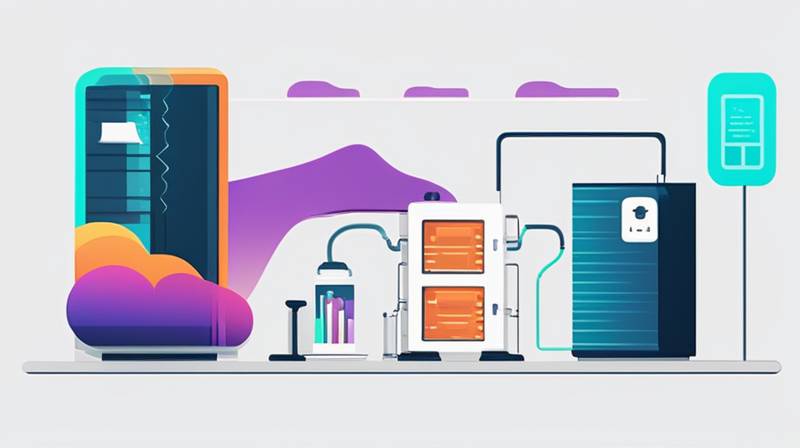
Yes, using a generator alongside an energy storage system is feasible. 1. Combining these technologies can significantly enhance energy reliability, 2. Generators can provide additional power during peak demand or outages, 3. Proper integration hardware and controls are essential for seamless operation, 4. Maintenance schedules for both systems need to be coordinated. An elaborate examination of this synergy reveals that generators serve as a complementary power source, particularly when energy storage systems reach capacity limits or when demand surges unexpectedly. Therefore, employing both can lead to improved energy management strategies and increased resilience against power fluctuations.
1. INTRODUCTION TO ENERGY SYSTEMS
The evolution of energy technologies has led to the prominence of both energy storage systems and backup generators. Energy storage systems, such as batteries, play a critical role in harnessing renewable sources like solar and wind energy. Conversely, backup generators—typically powered by fossil fuels like diesel or natural gas—offer a reliable power supply during outages or peak demand periods. The diversification of energy solutions has prompted numerous homeowners and businesses to explore the integration of these systems.
Leveraging these two solutions in tandem can enhance power reliability. Energy storage systems can stabilize the flow of energy from renewable sources, while generators provide instant backup during emergencies. Their complementary nature creates a robust energy management configuration, which is increasingly appealing in today’s energy-conscious landscape.
2. UNDERSTANDING GENERATORS
Generators have been a staple in energy supply for decades. They convert mechanical energy into electrical energy using various fuel sources, including gasoline, diesel, or natural gas. Their primary function is to generate electricity when the main grid fails or when demand surpasses the available supply. Modern generators are designed with advanced features that improve efficiency and reduce emissions, making them a viable option even for environmentally conscious users.
The technical specifications and efficiency ratings of generators are critical factors. Understanding these aspects enables users to select the right generator to complement their energy storage systems. Certain models, like inverter generators, are renowned for their quiet operation and ability to provide stable power required for sensitive electronics. Additionally, having the right generator means being prepared for unforeseen power disruptions, making it a strategic addition to any energy system.
3. THE ROLE OF ENERGY STORAGE SYSTEMS
Energy storage systems primarily store electrical energy for later use, essentially acting like batteries that can provide immediate power when needed. Li-ion batteries, for instance, are widely used due to their high energy density and efficiency. The integration of renewable energy sources leads to variable energy production, and that’s where the storage systems shine—allowing users to store excess energy generated during peak sunlight or wind and use it during non-productive hours.
The transition to renewable energy has increased the role of energy storage systems in reducing reliance on traditional power sources. These systems not only support energy resilience but also contribute to more efficient energy consumption practices. Thus, consumers can maximize their renewable investments while simultaneously decreasing their carbon footprint. As technology advances, these systems offer greater capacity, faster charging times, and enhanced monitoring capabilities.
4. BENEFITS OF COMBINING GENERATORS WITH ENERGY STORAGE
Combining both generators and energy storage systems offers a myriad of advantages. First and foremost, increased reliability ensures that users can access power even during grid failures. When the energy storage system runs low on charge, the generator takes over seamlessly, providing continuous electricity. This backup feature is crucial for critical infrastructure that cannot tolerate power interruptions.
Moreover, this combination enhances overall energy efficiency. Utilizing energy storage during low-demand periods allows users to reduce costs, as they can use the stored energy when electricity prices are high. Generators predominantly operate during peak load times to maintain an optimal energy supply without overloading the grid. Consequently, users can benefit economically while maintaining an environmentally-conscious outlook by maximizing renewable energy usage.
5. INTEGRATION OF THE SYSTEMS
Integrating generation and storage capabilities requires thoughtful planning and design. The first step involves assessing the energy requirements of the household or facility, followed by determining the capacity needed from both the generator and the energy storage system. Proper integration hardware, such as transfer switches and inverters, is fundamental to achieving a harmonious balance between the two.
Furthermore, employing advanced energy management systems can optimize how these technologies interact, ensuring that energy flows smoothly according to demand while preventing overload situations. This not only maximizes efficiency but also prolongs the life of both systems. The intelligent management of this integration plays a pivotal role in enhancing energy resilience and reliability.
6. MAINTENANCE CONSIDERATIONS
Ongoing maintenance is essential for both storage systems and generators. Each component requires periodic checks to ensure optimal performance and safety. Regular inspections might involve checking battery levels, ensuring proper ventilation and fuel levels for generators, and confirming that all components are functioning according to specifications. Preventative measures can avert potential failures that might lead to costly downtimes or safety hazards.
Adhering to the manufacturers’ maintenance guidelines is advisable for the longevity of both systems. Additionally, keeping records of all maintenance activities aids in identifying any recurring issues and ensures compliance with safety standards. This diligence allows for optimal performance and efficiency, ensuring both systems work together smoothly.
7. ENVIRONMENTAL IMPACT AND SUSTAINABILITY
The societal shift toward sustainable energy practices catalyzes the discussion surrounding generators and energy storage systems. While traditional generators can have environmental impacts due to emissions, advancements in technology have resulted in more efficient, cleaner-burning options. Moreover, integrating these systems can potentially reduce carbon footprints when managed correctly.
When strategically deployed, the synergy of energy storage systems capturing excess renewable energy and generators providing backup can contribute significantly to sustainability initiatives. It allows users to utilize cleaner energy while being prepared for interruptions. This combined approach can play a vital role in broader community efforts to transition toward greener energy infrastructures.
8. FUTURE TRENDS IN ENERGY SYSTEMS
The landscape of energy technology is in constant evolution. Future developments will likely focus on improving storage capacities and efficiency, which will enhance the synergy between generators and storage systems. Advancements in battery technologies, such as solid-state and flow batteries, promise to change how energy is stored and utilized, making the integration with generators increasingly seamless and effective.
Smart technologies, integration solutions, and IoT devices hold the potential to revolutionize energy management systems. Automation will allow users to monitor and control their systems in real-time, ensuring optimal energy flow according to consumption patterns. These innovations may create a landscape where users can achieve energy independence while effectively managing their energy resources.
FREQUENTLY ASKED QUESTIONS
CAN I RUN A GENERATOR AND ENERGY STORAGE SYSTEM TOGETHER?
Indeed, operating a generator alongside an energy storage system is not only possible but can also yield significant benefits. The generator serves as a supplementary power source that can engage when the batteries reach their discharge limit or during unusually high demand periods. This synergy ensures reliability in energy supply, particularly during grid outages or extended periods of inclement weather that may affect renewable generation output.
The key to successful integration lies in ensuring that both systems are compatible. Employing appropriate control mechanisms enables the generator to automatically sense when battery levels are low and provide power without manual intervention. This capability is crucial for users who rely on consistent energy availability, particularly in off-grid or hybrid energy environments.
WHICH SYSTEM IS MORE COST-EFFECTIVE TO USE?
Cost efficiency between a generator and energy storage system varies based on several factors, such as energy needs and usage patterns. Generators typically incur lower upfront costs but can lead to higher operational expenditures over time due to fuel costs and maintenance. Energy storage systems may have significant initial investment requirements; however, they can help reduce electricity bills by storing power during off-peak hours for later use.
Moreover, deploying a combination of both technologies can offer added savings. For instance, a well-integrated setup allows users to draw from storage when energy prices are high and switch to the generator during emergencies. This strategic allocation optimizes cost savings while also ensuring energy reliability, contributing to a more prudent long-term investment.
HOW DO I CHOOSE THE RIGHT GENERATOR FOR MY ENERGY STORAGE SYSTEM?
Choosing a generator that complements an energy storage system necessitates careful evaluation of energy needs and systems compatibility. Begin by assessing your energy consumption patterns, identifying peak usage times, and considering the generator’s capacity relative to the storage system’s output. Factors such as fuel type, efficiency ratings, and noise levels should also influence your decision.
In addition to performance, consider the generator’s integration features. Selecting a model equipped with auto-start capabilities and suitable transfer switches is essential for seamless operation. Ultimately, consulting with energy specialists can provide personalized recommendations tailored to your unique energy landscape.
In summary, the integration of a generator with an energy storage system can provide enhanced energy reliability and efficiency. This synergy allows users to prepare for power interruptions while extracting maximum value from their energy resources. Employing these technologies in harmony can lead to improved cost management, environmental sustainability, and resilience against fluctuating energy demands. Implementing proper maintenance practices, understanding unique energy needs, and staying informed about emerging technologies will ensure that these systems remain effective and continue meeting users’ energy requirements. Overall, a well-devised approach to using both generators and energy storage systems can facilitate optimum energy use while paving the way for a more sustainable energy future.
Original article by NenPower, If reposted, please credit the source: https://nenpower.com/blog/can-i-use-a-generator-alongside-my-energy-storage-system/

