

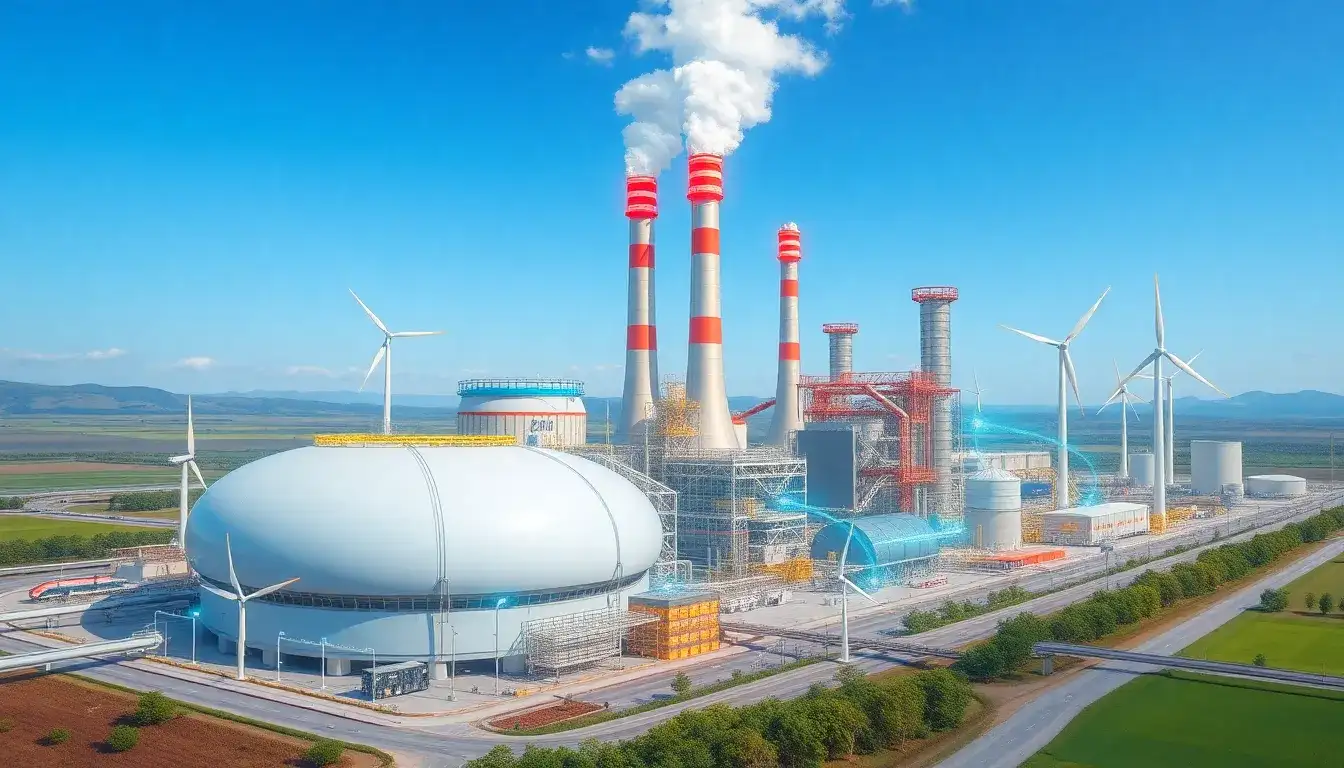
Hydrogen can indeed be integrated with existing fossil fuel-based power plants, particularly those that use natural gas. This integration process is typically achieved through hydrogen cofiring, where hydrogen is blended with natural gas to reduce carbon emissions during electricity generation. Here is how this integration can be accomplished:
Steps for Integrating Hydrogen into Existing Power Plants
- Assessment and Feasibility Studies: Conduct plant-specific feasibility studies to determine the current capabilities and realistic target settings for hydrogen integration. This step helps in understanding how much hydrogen can be cofired without significant modifications.
- Upgrading Existing Infrastructure: Existing gas turbines can be upgraded to accommodate a blend of hydrogen and natural gas. Siemens Energy, for example, offers solutions for integrating hydrogen into gas turbine power plants, enabling them to operate on hydrogen and natural gas blends.
- Cofiring Capabilities: Numerous tests have shown that many existing power plants can successfully cofire blends ranging from 5% to 44% hydrogen with natural gas. For instance, the Long Ridge Energy Generation Project in Ohio used a 5% hydrogen blend, while the New York Power Authority’s Brentwood power plant tested up to 44% hydrogen.
- Full Conversion to Hydrogen: Some plants aim to eventually operate entirely on hydrogen. Duke Energy plans to upgrade a Florida plant to burn only hydrogen, demonstrating the potential for complete conversion if feasible and economically viable.
- Renewable Energy Integration: Hydrogen can be produced using renewable energy sources, allowing for the storage of excess energy and facilitating a more decarbonized energy supply. This approach enables power plants to leverage cheap renewable energy, reducing CO2 emissions and offering energy storage benefits.
Challenges and Considerations
- Energy Density and Emissions: Hydrogen is less energy-dense than natural gas, meaning more volume is required for the same energy output. However, it produces no CO2 emissions when combusted, making it an attractive option for reducing greenhouse gas emissions.
- Infrastructure Limitations: The lack of extensive hydrogen infrastructure and high transportation costs remain significant challenges for widespread adoption.
- Policy Support: Various policies and incentives, such as the Inflation Reduction Act in the U.S., support the integration of hydrogen into existing power plants by encouraging emissions reduction and investing in hydrogen infrastructure.
In summary, integrating hydrogen into existing fossil fuel-based power plants is feasible and offers a promising pathway to decarbonize the energy sector. However, overcoming the challenges related to infrastructure, cost, and energy density will be essential for its widespread adoption.
Original article by NenPower, If reposted, please credit the source: https://nenpower.com/blog/can-hydrogen-power-be-integrated-with-existing-fossil-fuel-based-power-plants/

