

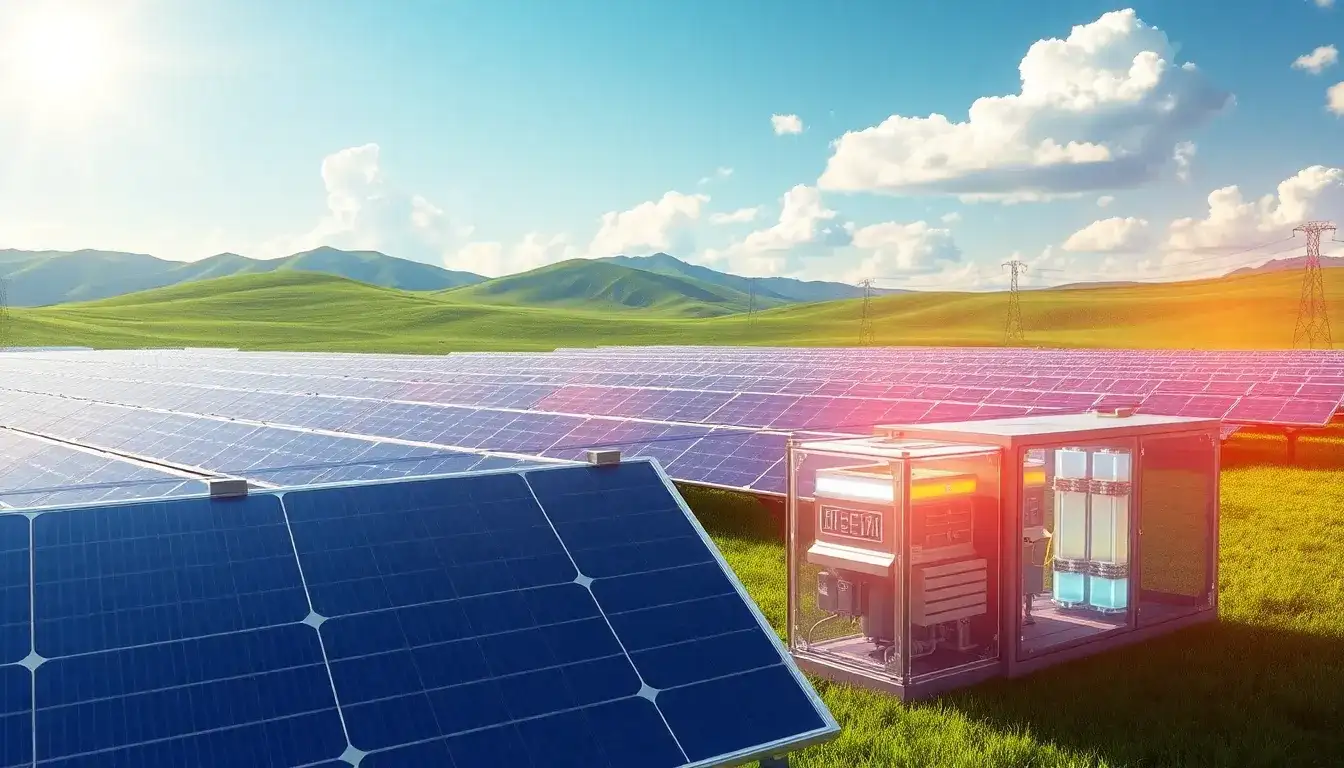
Yes, flow batteries can be integrated with existing solar panel systems. This integration is beneficial for managing the intermittent nature of solar energy by storing excess energy generated during the day for use during periods of low sunlight or at night. Here’s how they function together:
How Solar Flow Batteries Work
- Solar Energy Generation: Solar panels convert sunlight into electricity.
- Excess Energy Storage: Excess electricity is directed to the flow battery system.
- Flow Battery Operation: Liquid electrolytes are pumped through a power stack where chemical reactions store the energy.
- Energy Retrieval: When needed, the stored energy is converted back into electricity by reversing the chemical reaction.
Benefits of Integration
- Scalability: Flow batteries are scalable by increasing tank size, making them suitable for both small and large solar installations.
- Energy Efficiency: They offer high energy efficiency during storage and retrieval, minimizing energy loss.
- Cost Savings: By storing and using solar energy, users can lower their reliance on grid electricity and reduce energy bills.
- Reliability: They provide a consistent power source, ideal for maintaining essential systems during outages.
Compatibility Considerations
When integrating flow batteries with solar systems, it’s essential to ensure compatibility. This includes matching the battery’s voltage and capacity with the solar panel system’s output to maximize efficiency.
In summary, integrating flow batteries with existing solar panel systems enhances energy independence, reliability, and efficiency, making them a viable solution for both residential and commercial applications.
Original article by NenPower, If reposted, please credit the source: https://nenpower.com/blog/can-flow-batteries-be-integrated-with-existing-solar-panel-systems/

