

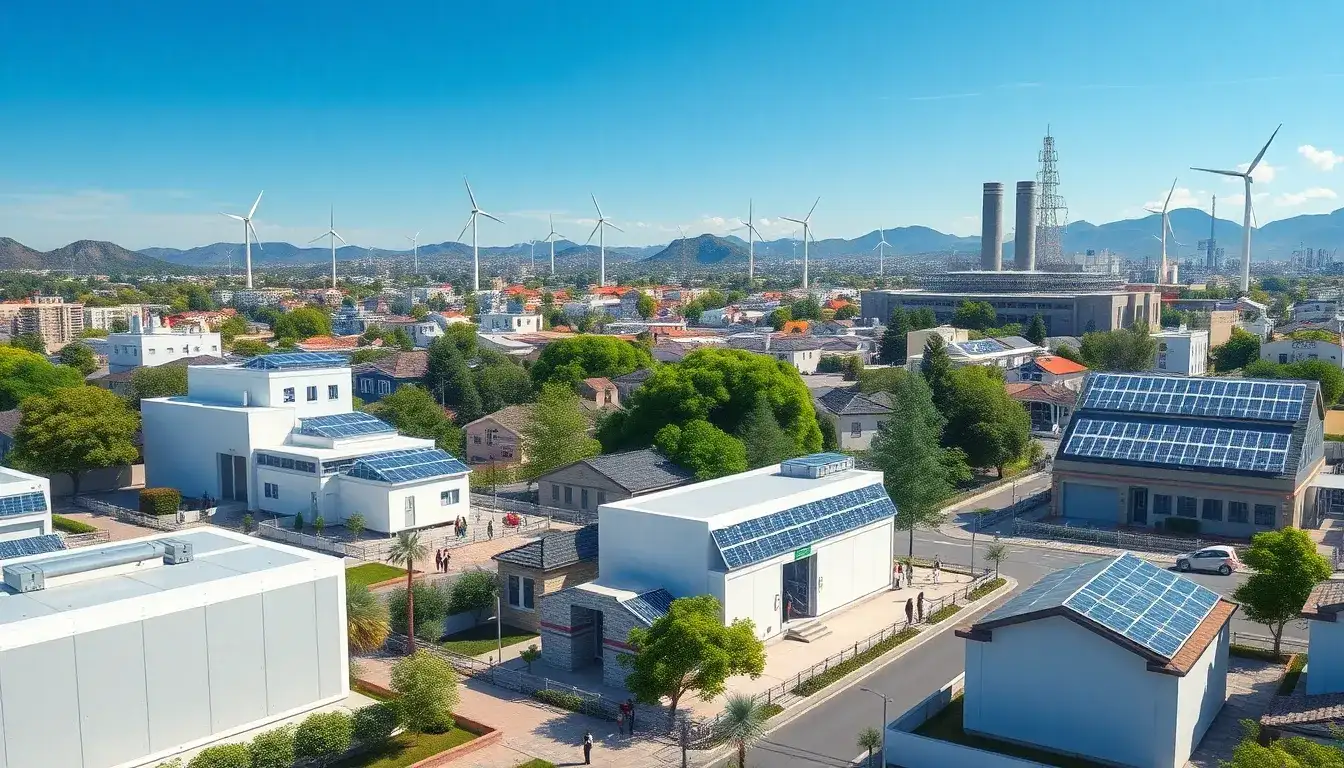
Benefits of Energy Storage Over Peaker Plants
- Efficiency and Cost: Energy storage systems, particularly battery energy storage systems (BESS), are becoming increasingly cost-competitive with peaker plants. They offer a cleaner and more efficient option for managing peak electricity demand, especially when integrated with renewable energy sources like solar or wind.
- Environmental Impact: Peaker plants are often fossil-fuel-based and have a significant environmental impact due to their emissions. They are typically located in disadvantaged communities, exacerbating health issues. In contrast, energy storage provides a virtually emission-free solution, aligning well with environmental and health goals.
- Operational Flexibility: Energy storage can be used flexibly, providing both short-term and long-term energy management solutions. This flexibility allows it to handle varying peak demand periods effectively without the need for frequent startup and shutdown cycles associated with peaker plants.
- Policy Support: Many states are adopting policies to encourage the adoption of energy storage, setting ambitious targets for its deployment. These policies are crucial for reducing the reliance on peaker plants and promoting cleaner energy systems.
- Case Studies: Successful examples of peaker plant replacement with energy storage can be seen in places like New York City, where battery storage is planned to replace peaker fleets entirely by 2028. Studies in Maine and the broader New England region also highlight the cost-effectiveness of using battery storage to replace aging peaker plants.
Challenges and Considerations
- Technology and Cost: While costs are decreasing, the widespread adoption of energy storage still depends on technological advancements and economies of scale. Longer-duration batteries are becoming more cost-effective, especially as renewable energy integration increases.
- Policy and Regulation: Regulatory frameworks are critical for supporting the transition from peaker plants to energy storage. Ensuring favorable market rules and incentives is necessary for accelerating this shift.
Overall, energy storage systems, especially battery storage, are emerging as a viable alternative to peaker plants, offering significant benefits in terms of environmental sustainability, equity, and operational efficiency. However, continued advancements in technology and supportive policies are needed to fully realize these benefits.
Original article by NenPower, If reposted, please credit the source: https://nenpower.com/blog/can-energy-storage-systems-reduce-the-need-for-peaker-plants/

