

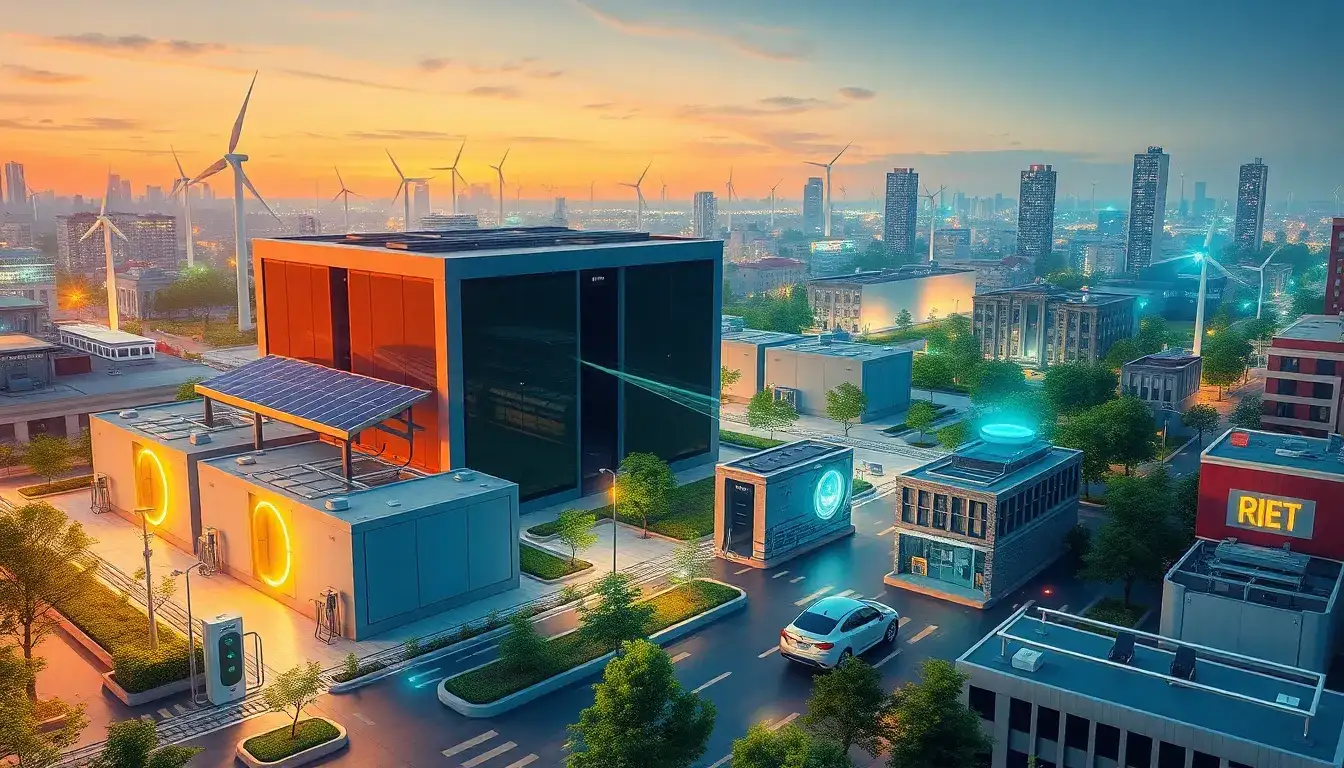
Energy storage systems (ESS) can significantly reduce the need for new power plants by enhancing the efficiency, reliability, and flexibility of the existing power grid in several ways:
- Smoothing Demand and Avoiding New Peak Plants: Energy storage helps to smooth out electricity demand by storing excess energy during low-demand periods and supplying it during peak times. This reduces the need to ramp up inefficient, polluting, and often costly fossil fuel plants, especially peaker plants that operate only during periods of high electricity demand. Battery storage can cost-effectively replace aging fossil-fueled peaker power plants, reducing the need for building new generation capacity designed only to meet peak demand.
- Maximizing Renewable Energy Use: ESS enables greater and more effective utilization of intermittent renewable resources like wind and solar. By storing energy when renewable generation is abundant but demand is low, and discharging electricity when renewable output is limited or demand is high, storage helps avoid curtailment of renewable energy and allows renewable plants to respond to grid operators’ dispatch needs more reliably. This maximizes the value of existing renewable power plants, reducing the requirement for additional generation capacity.
- Deferring Infrastructure Investments: Installing energy storage can defer or reduce the need for new power plants and grid infrastructure investments by balancing supply and demand locally, managing congestion, and increasing grid resiliency. This deferral is critical for integrating higher shares of renewables and meeting clean energy goals without building as many new conventional power plants.
- Grid Stability and Resiliency: Energy storage stabilizes the grid by acting as a buffer between supply and demand fluctuations, which is essential as more variable renewable energy is added. It also provides emergency backup power to critical facilities, further reducing dependence on traditional power plants.
Overall, energy storage systems allow for more efficient use of current generation assets, especially renewables, while reducing reliance on additional fossil-fueled power plants. This capability makes storage a key technology for decarbonizing the electricity sector and minimizing the need for new power plants.
In summary, energy storage systems reduce the need for new power plants by:
- Reducing peak demand and replacing peaker plants
- Enhancing utilization of renewables
- Deferring grid and generation infrastructure investments
- Improving grid stability and resiliency
These benefits combined make ESS a cornerstone for a cleaner, more flexible, and cost-effective power system.
Original article by NenPower, If reposted, please credit the source: https://nenpower.com/blog/can-energy-storage-systems-reduce-the-need-for-new-power-plants/

