

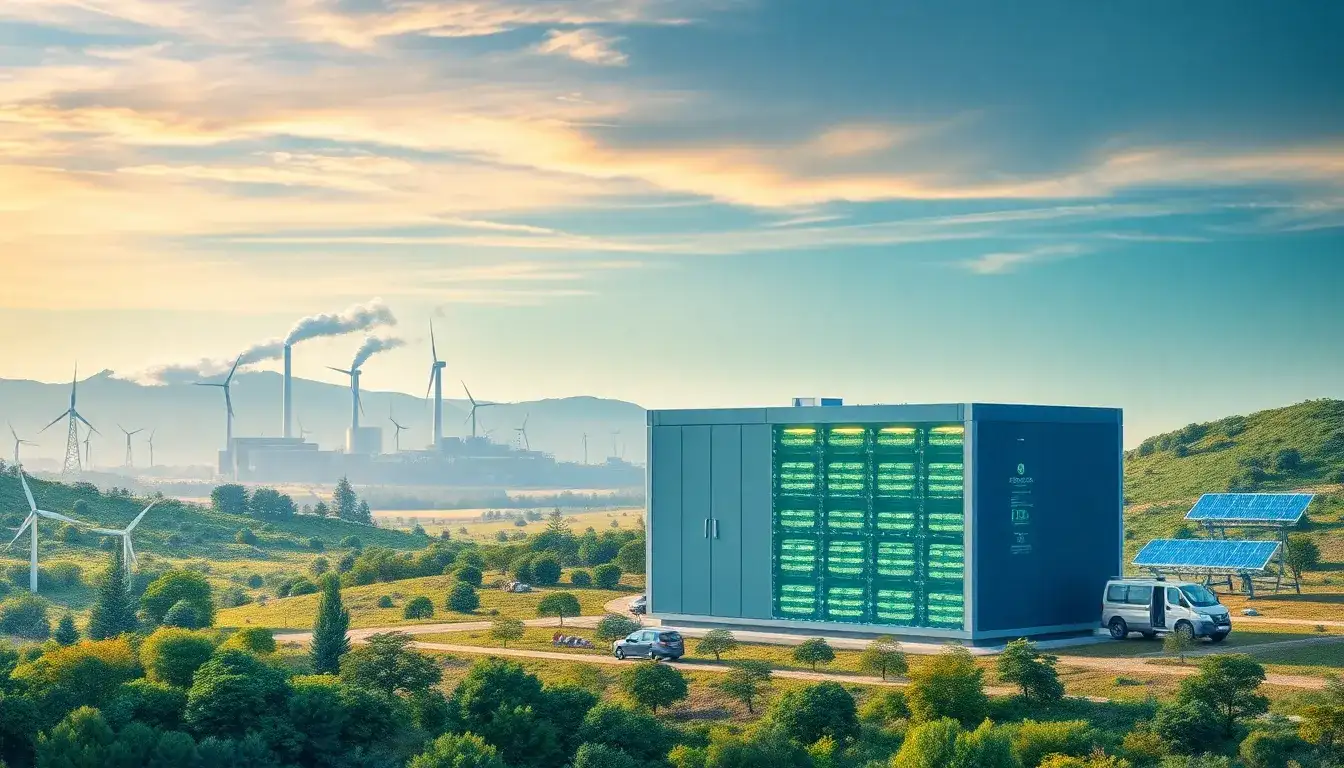
Energy storage systems, particularly those using batteries, have the potential to reduce emissions from fossil fuels under certain conditions. Here are some key considerations:
- Timing of Charging: Energy storage systems can significantly reduce carbon emissions if they are charged during periods of low carbon intensity, such as overnight when renewable energy sources are more prevalent or when there is surplus clean energy. If this strategy is consistently applied, it can lead to substantial emissions reductions.
- Integration with Renewables: Combining energy storage with on-site renewable energy generation can enhance emission reductions. This approach allows for storing excess clean energy produced on-site for later use, reducing reliance on the grid and lowering overall carbon footprint.
- Grid-Level Impact: While energy storage can contribute to grid stability and reliability, its effectiveness in reducing overall emissions is nuanced. Some studies suggest that energy storage might inadvertently increase emissions if it encourages the use of dirtier fuels like coal over cleaner alternatives like gas by shifting energy demand.
- Potential for Emissions Reduction: In regions with favorable conditions, such as high renewable penetration, energy storage systems can contribute significantly to carbon emissions reduction. For example, a study in Texas suggests that the potential for emission reduction through energy storage projects could be substantial, depending on specific market conditions and technology deployment.
In summary, energy storage systems can reduce emissions from fossil fuels if properly managed and integrated, particularly by aligning charging times with renewable energy availability and integrating storage with clean energy sources. However, the overall effectiveness of storage in reducing emissions depends on broader grid dynamics and energy policies.
Original article by NenPower, If reposted, please credit the source: https://nenpower.com/blog/can-energy-storage-systems-reduce-emissions-from-fossil-fuels/

