

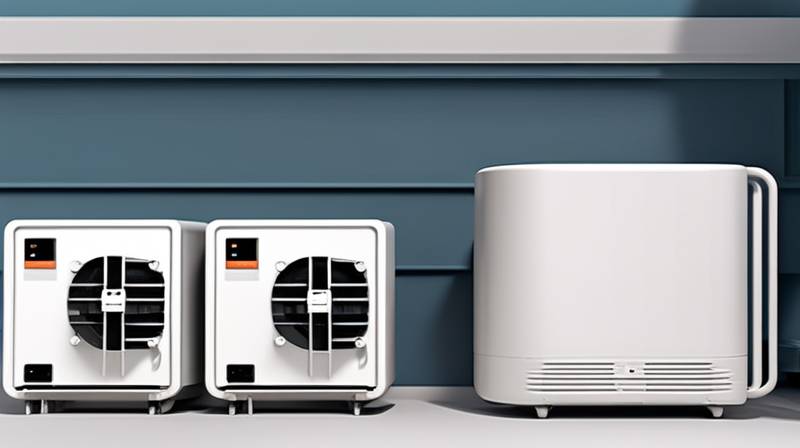
Energy storage systems can indeed provide power to air conditioning units in South African residences. 1. Technological advancement in batteries, 2. Cost-effectiveness of implementing energy storage, 3. Load management capabilities for efficient energy use, 4. Environmental benefits of reducing dependency on the grid, 5. Reliability in instances of load shedding, 6. Enhancement of renewable energy integration. Each of these points plays a significant role in understanding how energy storage contributes to the functionality and sustainability of air conditioning systems in the region.
1. TECHNOLOGICAL ADVANCEMENT IN BATTERIES
Contemporary energy storage solutions, particularly in the battery domain, have undergone significant evolution over the years. Lithium-ion batteries, in particular, have become prevalent due to their high energy density, efficiency, and decreasing costs. In the context of South Africa, where electricity demand fluctuates significantly due to factors such as varied climatic conditions and economic activity, these technological advancements present a feasible solution for homeowners seeking to power their air conditioning systems.
As municipalities grapple with increasing demand and infrastructure limitations, the integration of these sophisticated battery systems allows homeowners to store energy during periods of low demand or when energy costs are lower, and utilize this stored energy when the demand peaks, such as during hot summer days. This not only provides immediate relief during peak heat but also enhances the efficiency of energy use in households. Furthermore, advancements in battery management systems help optimize performance and prolong battery life, making these solutions both cost-effective and viable for long-term sustainability.
2. COST-EFFECTIVENESS OF IMPLEMENTING ENERGY STORAGE
When considering the installation of energy storage systems coupled with air conditioning units, the economic implications are paramount. In the past, the upfront costs associated with energy storage systems, particularly solar batteries, deterred many homeowners. However, the decreasing prices of battery technology and increased competitiveness in the energy market has shifted this narrative.
A comprehensive cost-benefit analysis reveals that, despite the initial investment, the long-term savings achieved through reduced electricity costs merit consideration. By utilizing energy sourced from a solar photovoltaic (PV) system during the day to charge batteries, homeowners can significantly lower their reliance on grid electricity. This is particularly relevant during peak hours when utility rates often surge. Additionally, government incentives, rebates, and financing options further enhance the appeal of such installations, allowing for greater flexibility and financial management.
3. LOAD MANAGEMENT CAPABILITIES FOR EFFICIENT ENERGY USE
Load management plays a crucial role in ensuring that energy consumption aligns with availability, particularly in regions where grid reliability can fluctuate. Energy storage systems integrate seamlessly with air conditioning systems to facilitate this management process. By employing smart technology, homeowners can tailor their energy use to match both demand and supply dynamically.
For instance, during off-peak hours, energy can be stored when rates are lower, and this energy can then be utilized to run air conditioning units during peak times. This balance not only minimizes costs but ensures that the demand on the grid is lessened, thereby contributing to overall grid stability. Additionally, features such as time-of-use pricing encourage consumers to shift energy usage patterns, further optimizing efficiency. More sophisticated energy management systems provide real-time data, enabling users to make informed decisions about when to utilize their stored energy or when to tap into the grid, ultimately enhancing energy efficiency within households.
4. ENVIRONMENTAL BENEFITS OF REDUCING DEPENDENCY ON THE GRID
The significant environmental ramifications of energy consumption cannot be understated. Energy storage systems, particularly those paired with renewable sources like solar or wind, contribute to a decrease in reliance on fossil fuels. For a country like South Africa, which has faced ongoing electricity shortages and environmental challenges, this shift is crucial.
By enabling homeowners to utilize renewable energy more effectively, energy storage systems also promote sustainability. The culmination of lower carbon emissions and a reduced ecological footprint becomes an appealing narrative for many homeowners motivated to embrace a greener lifestyle. Not only do these systems mitigate the environmental impact associated with traditional energy generation, but they also support the national agenda of increasing the share of renewable energy in the overall energy mix.
5. RELIABILITY IN INSTANCES OF LOAD SHEDDING
Load shedding, a common occurrence in South Africa due to electricity supply constraints, poses significant challenges to home comfort, particularly during extreme weather conditions. Energy storage solutions deliver a reliable alternative during these outages, ensuring that essential appliances, including air conditioning units, remain operational.
Homeowners equipped with energy storage systems can enjoy a sense of independence from the grid, particularly during times of crisis. The implications of this reliability extend beyond mere convenience; they offer peace of mind in maintaining home comfort when traditional energy sources falter. Moreover, this reliability transcends the immediate household benefits, as a collective enhancement in energy resilience contributes positively to overall grid stability, helping to alleviate pressure from the energy infrastructure during peak demand.
6. ENHANCEMENT OF RENEWABLE ENERGY INTEGRATION
As South Africa aims to expand its renewable energy capacity, the incorporation of energy storage systems serves as a pivotal facilitator for such integration. Increased energy generation from renewables, primarily solar and wind, necessitates innovative solutions to manage intermittency and provide consistent energy supply.
Energy storage enables homeowners to leverage excess energy generated on sunny days, which can be stored and utilized during evenings or cloudy periods. This progressive approach encourages the development of a more sustainable ecosystem, where reliance on centralized electricity becomes diminished in favor of localized, renewable energy production. As a result, energy transitions pave the way for greater community engagement and technological adoption, stimulating economic growth and fostering an appreciation for responsible energy consumption.
FAQs
1. HOW DO ENERGY STORAGE SYSTEMS WORK WITH AIR CONDITIONING UNITS?
Energy storage systems function by capturing and storing excess energy, mainly produced by renewable sources such as solar panels. When the sun is shining, surplus electricity generated by solar energy can be stored in batteries for later use. During peak demand periods, such as scorching afternoons when air conditioning units operate maximally, this stored energy can be deployed to run these systems. This process reduces reliance on the grid and can help mitigate high energy costs associated with peak usage. Moreover, modern energy management systems can optimize energy use, ensuring that air conditioning functions efficiently while also prolonging the longevity of the energy storage units. As such, homeowners can maintain a comfortable living environment while enjoying the economic and environmental benefits of reduced grid reliance.
2. WHAT ARE THE INITIAL COSTS INVOLVED IN INSTALLING AN ENERGY STORAGE SYSTEM?
The initial investment for an energy storage system can be significant, but prices are steadily declining due to technological advancements. Costs vary based on factors such as the size of the system, specific technology used, and installation requirements. Generally, a comprehensive energy storage installation can range anywhere from a few thousand to tens of thousands of dollars. However, potential savings on energy bills over time can offset this investment substantially. Additionally, various incentives, rebates, or financing options may be available, further alleviating the financial burden. Thus, while the initial costs can appear daunting, a thorough evaluation of long-term savings and benefits must be conducted to make an informed decision.
3. CAN ENERGY STORAGE SYSTEMS HELP WITH ENERGY SECURITY DURING LOAD SHEDDING?
Absolutely, energy storage systems play a critical role in enhancing energy security during load shedding situations. These systems enable homeowners to store energy during periods of low demand or when it is less expensive, which can then be utilized during load shedding events. This stored energy provides necessary power to essential appliances, including air conditioning units, when grid electricity becomes unavailable. Consequently, homeowners experience increased independence from utility providers and enjoy a reliable power supply, especially during peak demand times. Such applications highlight the resilience of energy storage systems and their alignment with a homeowner’s objectives to maintain comfort while navigating the challenges posed by inconsistent grid supply.
Final Thoughts
Energy storage systems represent a groundbreaking solution for powering air conditioning units in South African homes, offering not only immediate benefits such as energy independence and cost savings but also contributing significantly to the broader goals of sustainability and resilience. The integration of advanced battery technologies has transformed the landscape of energy consumption, empowering homeowners to optimize their energy use efficiently. Such innovations have the potential to alleviate the national strain on electricity supply, particularly evident in regions frequently affected by load shedding. Consequently, the evolution of energy storage systems indicates a noteworthy shift towards modern, responsible energy utilization that resonates with current and future societal needs. The financial viability of these solutions further underscores their appeal, as decreasing technology costs make them increasingly accessible to a broader demographic. Importantly, the environmental advantages associated with reduced fossil fuel reliance and the promotion of renewable energy sources enhance the case for widespread adoption of energy storage. In an era where climate change and energy security are paramount, energy storage emerges not merely as a technical novelty but as an essential component of a sustainable, resilient future for households across South Africa. Adopting these systems aligns with the global trajectory toward cleaner energy and positions South African consumers as proactive participants in this essential transition.
Original article by NenPower, If reposted, please credit the source: https://nenpower.com/blog/can-energy-storage-systems-power-air-conditioning-units-in-south-african-homes/

