

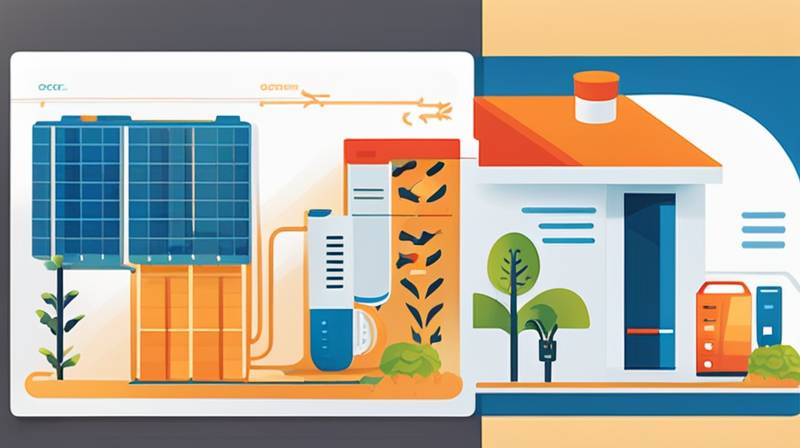
Can energy storage systems help Congo’s households become energy producers?
- Energy storage systems can significantly empower households in the Democratic Republic of Congo to generate their own electricity. 1. By integrating energy storage solutions, households can utilize renewable sources such as solar and wind, drastically decreasing their reliance on erratic grid power. 2. The potential for localized energy production transforms consumers into producers, fostering economic independence and resilience against utility disruptions. 3. Furthermore, energy storage enhances energy accessibility, improving living standards in remote areas. 4. Innovative business models could arise from this shift, enabling communities to profit from energy sales and exchanges. As the nation grapples with energy shortages and infrastructural challenges, leveraging energy storage technology becomes imperative for sustainable growth and empowerment.
1. THE CURRENT ENERGY LANDSCAPE IN CONGO
The Democratic Republic of Congo (DRC) resides amidst a paradox of abundant natural resources and profound energy scarcity. Despite having some of the largest hydropower reserves globally, only a fraction of the population has reliable access to electricity. This highlights the pressing need for alternative energy solutions. Energy storage systems, particularly those integrated with renewable energy sources, present an appealing opportunity to alleviate the energy crisis.
Many households lack consistent electricity supply due to infrastructural shortcomings and dependency on aging systems. Unreliable power severely affects economic productivity, educational opportunities, and health services, perpetuating cycles of poverty. Therefore, innovative solutions such as energy storage systems could mitigate these challenges and redefine the energy landscape.
The role of energy storage technologies becomes crucial in this context. By leveraging advancements in battery technology and energy management systems, communities can optimize their energy use and generate surplus power. This allows households to not only consume but also contribute energy back into the grid, positively impacting the broader community.
2. UNDERSTANDING ENERGY STORAGE TECHNOLOGIES
Energy storage technologies encompass a range of systems, including batteries, flywheels, and pumped hydro storage. Batteries, particularly lithium-ion and lead-acid units, have proven to be the most commercially viable for small-scale residential use. These systems allow households to store excess energy produced during peak generation hours, which can then be utilized during periods of low generation or high demand.
The implementation of battery systems in tandem with solar panels is particularly promising. Photovoltaic systems can capture sunlight during the day, and energy storage systems ensure that this precious resource is available even after sunset. This optimized energy management approach significantly enhances a household’s energy autonomy.
It’s also important to explore the economic implications of deploying such technologies. Energy storage can enable households to reduce their electricity bills, potentially selling surplus energy back to the grid or sharing it with neighbors. This creates a dynamic marketplace in energy transactions, shifting the traditional model of energy consumption to one of interaction and community reliance.
3. IMPACT ON HOUSEHOLD ECONOMICS
The economic benefits of energy storage systems are profound. Households can save costs on energy bills, as they become less dependent on external energy suppliers. This financial autonomy fosters local entrepreneurship and supports micro-businesses, allowing families to invest in essential needs such as education and healthcare.
Furthermore, communities can engage in energy trading, selling excess power generated from solar installations. This monetization of energy resources empowers households to generate supplemental income. Such economic incentives could lead to increased investments in renewable technologies, reinforcing a cycle of growth and sustainability.
Communities can also establish cooperatives, pooling resources and sharing energy storage solutions. This collaborative approach not only enhances energy security but also fosters a sense of unity. By working together, households can collectively navigate the complexities of energy production, distribution, and stability in uncertain times.
4. GOVERNMENT AND POLICY FRAMEWORK
For energy storage systems to realize their full potential, supportive government policies and regulatory frameworks are essential. Policies promoting investments in renewable energy technologies will facilitate the deployment of storage systems and ensure equitable access to these innovations.
Incentives such as tax breaks, grants, and subsidies can encourage households to adopt energy storage technologies. Streamlining regulations surrounding energy production and selling can also help households become recognized energy producers, liberating them from bureaucratic constraints.
Furthermore, educating communities about the benefits and operations of energy storage technologies is critical. By raising awareness and providing training programs, local governments can empower citizens to embrace sustainable solutions for energy resilience. Policymaking ought to prioritize energy justice, ensuring that marginalized communities are not left behind in the energy transition process.
5. POTENTIAL CHALLENGES AND SOLUTIONS
While energy storage systems herald a new era for energy independence in the DRC, challenges remain. High initial costs associated with purchasing and installing battery systems can deter widespread adoption, particularly among lower-income households. To address this, financing solutions such as microloans and community funding initiatives could provide the necessary capital for these investments.
Another significant challenge is the technical knowledge required to maintain and operate these systems. Investing in local training programs can equip household members with the skills needed to manage energy storage technologies effectively. By fostering a culture of knowledge sharing, communities can enhance their technical capacity and resilience in energy management.
Furthermore, ensuring the sustainability of technology through local production can mitigate reliance on imports. Establishing local manufacturing of energy storage components will create jobs and develop a homegrown industry, making energy solutions more accessible and affordable. By exploring alternative supply chains, communities can control costs and ensure that technology aligns with local needs.
6. COMMUNITY BENEFITS FROM ENERGY STORAGE
The integration of energy storage systems within households promotes community development beyond mere energy generation. Communities become more resilient to energy disruptions, which is particularly vital given the political and economic instability prevalent in some areas of the DRC.
By empowering households, energy storage fosters a sense of agency among residents. Communities that invest in their own energy solutions are more likely to prioritize collective wellbeing, resulting in better public services, healthcare, and education.
Moreover, energy storage can spur innovation. Households may experiment with new business models centered around energy production, such as local charging stations for electric vehicles or services catering to microgrids. This entrepreneurial spirit supports economic dynamism and diversifies household revenue streams, providing greater financial stability.
7. ENVIRONMENTAL CONSIDERATIONS
Incorporating renewable energy systems highlights the environmental benefits of energy storage technologies. Utilizing solar or wind power reduces dependency on fossil fuels, aligning with global efforts to combat climate change.
Moreover, energy storage promotes a circular economy within communities. By facilitating the reuse of energy and resources, households contribute to waste reduction and promote sustainable living practices. Communities can also participate in local environmental initiatives that support biodiversity and protect ecosystems, reinforcing their commitment to a greener future.
In pursuing self-sufficiency, communities can also initiate educational programs to raise environmental awareness. Discussions about energy consumption, sustainability, and ecological stewardship can cultivate a culture that values and actively protects the environment. By linking energy storage systems to local ecological efforts, households can work toward a more sustainable and harmonious relationship with their natural surroundings.
8. FUTURE PROSPECTS AND INNOVATIONS
As technology progresses, energy storage systems are poised to become increasingly sophisticated and integrated within households. Future innovations may include smart grids, which enable real-time energy management and optimize consumption based on user behavior and environmental conditions.
The potential for artificial intelligence (AI) to manage energy flow and make predictive analyses offers exciting prospects for household efficiency. AI-driven systems can anticipate energy needs based on historical usage patterns, ensuring that households maximize their energy storage potential.
Additionally, increased collaboration between tech companies and local communities could result in tailored solutions that address specific energy needs and challenges. Research partnerships can foster innovation that aligns with local realities, ensuring that energy storage technology continues to evolve in ways that benefit households and communities alike.
Ultimately, the future of energy storage in Congo presents an opportunity to not only transform energy production but also enhance the quality of life for millions.
9. INTEGRATING ENERGY STORAGE WITH OTHER SERVICES
Beyond mere electricity generation, energy storage systems can integrate with various services that enhance community resilience. For instance, coupling energy storage with water systems can provide reliable access to clean water, especially in rural areas where infrastructure may be lacking.
Hybrid systems that combine energy storage with irrigation solutions can also empower agricultural communities. By ensuring that farmers have reliable energy for irrigation systems, crop yields can improve, leading to enhanced food security.
Furthermore, promoting energy storage as a component of disaster preparedness initiatives can safeguard communities against natural disasters and socio-political disruptions. Energy systems designed for emergency response can ensure that critical services remain operational during crises, reinforcing the importance of energy autonomy in building resilient societies.
10. CONCLUDING THOUGHTS ON ENERGY TRANSITION
The transition toward energy independence facilitated by energy storage systems represents a monumental shift not just for individual households, but for the DRC as a whole. The capacity to harness local resources for energy production opens avenues for economic growth, social development, and environmental sustainability, addressing long-standing issues in the energy sector.
Stakeholders must collaborate to foster investments, promote awareness, and establish supportive policies that create conducive environments for adopting energy storage systems. Communities equipped with the tools to generate and manage their own energy resources can emerge as powerful agents of change, not merely surviving but thriving in the face of energy challenges.
As Congo grapples with energy security and access, the promise of energy storage systems stands as a beacon of hope, illuminating pathways toward a brighter and more sustainable future. The collective aspirations of households investing in their own energy production can redefine the energy landscape, supporting resilient communities that stand prepared to address emerging global challenges with innovation and bravery.
FREQUENTLY ASKED QUESTIONS
1. HOW DO ENERGY STORAGE SYSTEMS WORK?
Energy storage systems capture and store energy for later use. Typically, these systems work by accumulating excess energy produced during periods of low demand or high generation, such as solar power during sunny days. This stored energy can then be discharged when needed, providing power during high-demand periods or when generation is low. Battery technologies, such as lithium-ion or lead-acid batteries, are commonly utilized for residential energy storage. These batteries convert electrical energy into chemical energy during charging and convert it back into electrical energy when discharging. This technology enhances energy efficiency and reliability in households, particularly in areas with unreliable grid power. As communities increasingly adopt energy storage solutions, their ability to manage energy consumption more effectively will improve, proving vital to addressing the energy access challenges they face.
2. WHAT ARE THE COSTS ASSOCIATED WITH ENERGY STORAGE SYSTEMS?
The costs of implementing energy storage systems can vary significantly based on the technology chosen, system size, and installation requirements. Generally, initial investments can be high, including costs for batteries, inverters, and installation services. However, it’s essential to consider long-term savings on utility bills and the potential for income generation through energy trading. Many local and international organizations also offer financing options, including loans and subsidies, to reduce the financial burden on households. Additionally, energy storage systems can improve the overall value of properties, which can offset initial investments over time. Understanding the total lifecycle costs, including maintenance and potential savings, is crucial for making informed decisions about adopting such technologies.
3. HOW CAN COMMUNITIES MAXIMIZE THE BENEFITS OF ENERGY STORAGE?
To maximize the benefits of energy storage, communities should focus on education, collaboration, and innovative business models. Providing residents with information about energy storage technologies and their potential impacts fosters informed decisions. Establishing cooperatives or community-sharing programs can enable households to pool resources for larger-scale energy storage solutions, making investments more feasible. Moreover, cultivating partnerships with local businesses and governments can lead to supportive policies and better access to financial resources. Encouraging participation in local energy initiatives allows communities to experiment with different energy production and consumption models. By embracing innovation and sustainable practices, communities can optimize their energy systems and contribute to broader economic and environmental goals.
The Integration of Energy Storage Systems Holds Significant Promise
The blend of energy storage systems with household energy production in the Democratic Republic of Congo signals a transformative leap toward energy independence, socioeconomic empowerment, and environmental sustainability. Households can catalyze a movement toward integrated energy solutions through the adoption of such technologies, thereby enhancing community resilience and promoting self-sufficiency.
As various segments of society—governments, NGOs, and private sectors—unite to support this initiative, the opportunities for innovation and growth multiply. By leveraging local resources effectively, communities position themselves to face persistent energy challenges head-on. Energy storage systems not only provide a source of reliable power but also represent an avenue for economic and social growth.
Through collective investments in energy storage, the DRC can aspire to not only alleviate energy scarcity but to create a paradigm where households transform from passive consumers into proactive producers and innovators in their energy landscapes. This shift can inspire wider adoption of sustainable practices, signifying progress toward a more equitable and resilient future.
Aligning these strategies with broader national development goals will ensure that the benefits of energy storage systems are realized across various demographics, especially among the most vulnerable. The potential for these systems to foster community ties and promote collaboration in energy generation is invaluable, heralding a new era of energy security and prosperity for the Democratic Republic of Congo.
By creating an enabling environment for energy storage implementation, engaging in educational initiatives, and fostering cooperative models, the DRC stands to witness a revolution in how energy is produced, consumed, and valued within society. This challenge extends beyond technology—it encapsulates the spirit of community and collaboration, defined by a shared vision for a sustainable and thriving future.
Original article by NenPower, If reposted, please credit the source: https://nenpower.com/blog/can-energy-storage-systems-help-congos-households-become-energy-producers/

