

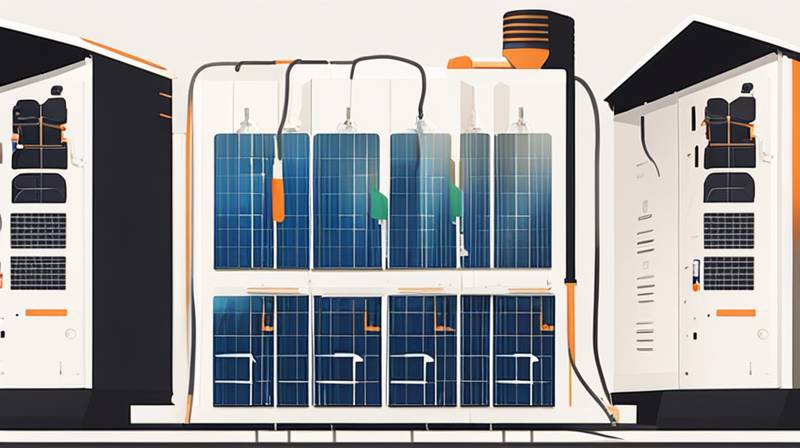
1. YES, energy storage systems can be retrofitted to existing solar installations in South Africa, enhancing efficiency and maximizing return on investment. 2. Retrofitting involves technical adjustments and system integrations to facilitate compatibility. 3. The process introduces many advantages including energy independence, financial savings, and environmental benefits. 4. Regulatory frameworks and technological advances further support the initiative, making it a viable option for homeowners and businesses alike.
UNDERSTANDING ENERGY STORAGE IN SOLAR INSTALLATIONS
Energy storage systems play a pivotal role in optimizing solar energy use by allowing excess power generated during the day to be stored for later use. As solar installations proliferate across South Africa, the need for efficiency in how that energy is harnessed becomes crucial. The integration of energy storage can significantly enhance the functionality of existing solar panels by balancing the variability inherent in solar power production.
Energy storage technologies such as lithium-ion batteries and other solutions facilitate this balance, allowing users to draw power in periods of low solar generation, such as night or cloudy days. However, before considering retrofitting, it’s important to understand the fundamental components of both solar and energy storage systems and how they interact.
A common question arises: How is retrofitting accomplished? The process involves assessing the current setup, selecting suitable storage technology, and making necessary adaptations to the existing infrastructure to accommodate new equipment. The engineering behind these modifications can be intricate, necessitating expertise in both solar energy systems and electrical installations to ensure safety and compatibility.
1. BENEFITS OF RETROFITTING ENERGY STORAGE SYSTEMS
There are notable advantages associated with adding energy storage systems to existing solar installations, which elevate their operational capacity and return on investment.
ENHANCED ENERGY MANAGEMENT
One significant benefit of retrofitting is the improvement in energy management capabilities. Solar power generation is inherently intermittent; hence, without storage, homeowners often find themselves with a surplus of energy during peak sunlight hours and a deficit when the sun sets. Energy storage systems enable homeowners to harness this excess energy, storing it for consumption later, which leads to more effective energy use. This is a particularly advantageous setup in urban areas or regions without reliable grid access where energy security is a concern.
In scenarios where energy demand peaks after daylight hours or during winter months when solar generation diminishes, retrofitting systems mitigates these fluctuations, stabilizing costs and consumption. The integration of real-time energy management systems allows users to monitor their consumption patterns, which can inform when to consume energy versus when to use stored power, optimizing their overall energy strategy.
FINANCIAL INCENTIVES AND SAVINGS
Adding an energy storage component can dramatically alter the financial landscape for solar energy users. Cost savings can emerge through several channels, such as reduced reliance on grid power, particularly during peak pricing hours. Many utility companies in South Africa employ pricing structures that charge more during peak times, thus, by utilizing stored energy, consumers can avoid these higher charges, leading to significant annual savings.
Furthermore, various incentive programs and rebates offered by the South African government and certain municipalities encourage installations incorporating energy storage. State-sponsored tariffs for solar power also hold the promise of payback periods becoming shorter with these systems installed, thus enhancing the business case for consumers looking to minimize energy expenditure.
ENVIRONMENTAL IMPACT
The environmental implications of integrating energy storage with solar installations cannot be understated. Solar energy is fundamentally a clean energy source; however, its effectiveness can be significantly hampered by dependency on fossil fuels for energy needs during non-sunny periods. Energy storage systems, in this situation, mitigate that reliance, allowing for greater utilization of renewable energy sources.
Retrofitting existing systems with energy storage also aligns with global sustainability objectives. As countries work to meet emissions targets and commit to cleaner energy solutions, making the switch to solar coupled with energy storage contributes positively to carbon footprint reduction efforts. This strategic character aligns not just with individual household benefits but underpins collective national commitments toward a greener economy.
2. TECHNICAL ASPECTS OF RETROFITTING
The integration of energy storage systems into established solar installations requires a thorough understanding of the technical specifications involved. This subsection elucidates the components, considerations, and technological requirements necessary for a seamless retrofit.
SYSTEM ASSESSMENT AND PLANNING
The retrofitting process begins with an in-depth assessment of the current solar installation. Components like inverter capacity, wiring configurations, and the existing energy storage needs of the household must be inspected meticulously. A comprehensive evaluation focuses on determining how much energy is typically utilized, the timing of consumption, and existing solar output.
This initial analysis lays the groundwork for strategic planning and decision-making regarding the type of storage system to install. For example, lithium-ion batteries are often favored in residential settings due to their compact size and efficiency. The decision hinges not only on energy capacity and discharge rates but also on lifecycle longevity and upfront costs. Proper engineering can ensure that the selected system matches the specifics of the existing solar setup.
INSTALLATION AND INTEGRATION
Once the planning phase concludes, installation involves critical measures to ensure compatibility and safety. Inverter modifications may be necessary to allow for dual functionality, permitting the system to manage both solar input and draw from storage effectively. Proper wiring protocols and circuit upgrades might also be required to handle the added load without overtaxing the home’s electrical system.
Professional installation by skilled technicians guarantees compliance with safety regulations and optimizes system performance. These experts not only ensure that new components are functioning as intended but also provide guidance on operational management post-installation. Once complete, users can expect enhanced monitoring options, informing them of energy production and storage levels in real-time, thereby contributing to more informed energy decisions.
3. REGULATIONS AND INCENTIVES IN SOUTH AFRICA
Various regulatory frameworks facilitate the adoption of energy storage solutions as part of solar energy systems in South Africa. Understanding these regulations, along with available incentives, can bolster users’ decisions to retrofit their existing installations.
GOVERNMENT INCENTIVES AND PROGRAMS
Government incentives play a crucial role in supporting the transition toward integrated solar and storage systems. Current initiatives include subsidies for solar installations that embrace storage technologies, tax rebates, and feed-in tariffs that incentivize energy contributions back to the grid.
These programs are designed to not only subsidize the high upfront costs associated with purchasing energy storage solutions but also encourage widespread adoption, thereby amplifying the shift to renewable energy sources. For prospective retrofitting homeowners, researching available programs, state grants, and other funding opportunities can reveal substantial financial assistance, potentially making an otherwise prohibitive investment financially feasible.
STANDARDS AND SAFETY REGULATIONS
Adherence to safety regulations and technological standards ensures that retrofitting processes yield effective results without compromising safety. South African standards for electrical installations necessitate that any upgrades or modifications to existing solar systems comply with the relevant safety regulations to protect users, property, and the environment.
Compliance with local regulations is non-negotiable; hence, engaging certified professionals who are familiar with both local and national codes facilitates a smooth integration process. These regulations aim to mitigate risks associated with installation disturbances, electrical failures, or even fires resulting from improper configurations. All certified systems additionally undergo rigorous testing and inspections before being approved for consumer use.
4. CONSIDERATIONS FOR HOMEOWNERS AND BUSINESSES
When contemplating retrofitting options, homeowners and businesses alike must navigate a complex landscape of choices that extend beyond mere technological installations. Several aspects require consideration to ensure that investments yield desired results.
COST VERSUS BENEFIT ANALYSIS
A detailed analysis of the cost implications of retrofitting energy storage systems should underpin all decision-making processes. Homeowners should evaluate the potential expenses associated with installation, maintenance, and possible upgrades against projected savings achieved through energy independence and reduced reliance on the grid.
Calculating payback periods adds another layer of consideration. Understanding how long it will take for energy savings to surpass initial investments provides critical insight into the financial viability of retrofitting. Models might predict complete recoupment within several years, ranging widely based on factors like local utility rates, solar productivity, and consumption patterns.
LONG-TERM PLANNING AND SCALABILITY
Proactive planning plays a vital role in establishing a robust solar-storage system that remains relevant as energy needs evolve. Homeowners should consider future energy consumption trends, technological advancements that may impact efficiency, or possible expansions of their solar setups over time.
Additionally, inherent technology advancements indicate that newer, more efficient storage solutions will emerge. Buying systems with scalability options can protect against obsolescence, allowing users to modify their setups as their energy requirements or preferences shift. This adaptability is particularly beneficial in rapidly evolving energy markets, allowing users to capitalize on emerging technologies even after initial installations.
COMMONLY ASKED QUESTIONS
CAN ALL EXISTING SOLAR INSTALLATIONS BE RETROFITTED WITH ENERGY STORAGE?
The vast majority of existing solar installations can indeed be retrofitted with energy storage systems. However, specific factors play a crucial role in determining the feasibility and effectiveness of such retrofitting. Vital considerations include the current solar panel specifications, the inverter system in place, and the overall energy consumption patterns of the household or business. Owners might need to upgrade their inverters to ensure they are compatible with new energy storage solutions, and a thorough assessment by qualified professionals is always advisable.
Moreover, the particular site conditions and regulatory requirements can impact retrofitting projects. Some older systems may involve more extensive modifications to align with modern safety standards and technologies. Thus, although retrofitting is accessible and beneficial, in-depth research and professional evaluations are fundamental to successful implementation.
WHAT TYPES OF ENERGY STORAGE TECHNOLOGIES ARE AVAILABLE?
Several energy storage technologies are accessible to consumers looking to retrofit their solar installations.
- Lithium-ion batteries stand out as the most popular choice due to their efficiency, compact design, and reduced maintenance needs. They provide substantial energy density, enabling longer useful life and superior charge/discharge cycles.
- Lead-acid batteries, although older technology, still serve specific applications thanks to their lower upfront costs. They tend to require more maintenance and have shorter life spans than lithium solutions, making them less attractive for long-term strategies.
Newer options such as sodium-ion batteries and flow batteries are emerging, complementing existing technologies and allowing users to select systems meeting their specific energy needs and budget. Evaluating the pros and cons of each option in relation to individual circumstances will guide consumers toward making informed decisions.
HOW DO ENERGY STORAGE SYSTEMS IMPACT ENERGY COSTS OVER TIME?
Energy storage systems profoundly influence energy costs by reducing dependence on grid power, particularly during peak usage hours when energy is most expensive. Consumers can capitalize on solar generation and store that energy for later use rather than relying on costly grid electricity.
Calculating potential savings involves assessing solar production levels, energy consumption rates, and prevailing local utility costs. Additionally, state-backed incentives and net metering can further enhance financial benefits, encouraging renewable energy use. With an understanding of each of these factors, consumers can effectively navigate changes in their energy costs, ultimately setting the stage for long-term financial savings.
The incorporation of energy storage systems into voice existing solar installations is a significant advancement for South African households and businesses. Abundant renewable resources and the need for energy independence render this retrofit an attractive option. Informing oneself about technical, regulatory, and economic aspects is paramount, empowering consumers to enhance the efficiency and sustainability of their energy usage. Engaging with professionals and leveraging available programs will streamline the retrofitting experience, further accentuating its benefits. By embracing such advancements, individuals and communities contribute to a broader shift towards a clean, sustainable energy future. The transition to integrated solar and storage systems offers tangible advantages, setting the foundation for lasting energy resilience on both personal and community levels.
Original article by NenPower, If reposted, please credit the source: https://nenpower.com/blog/can-energy-storage-systems-be-retrofitted-to-existing-solar-installations-in-south-africa/

