

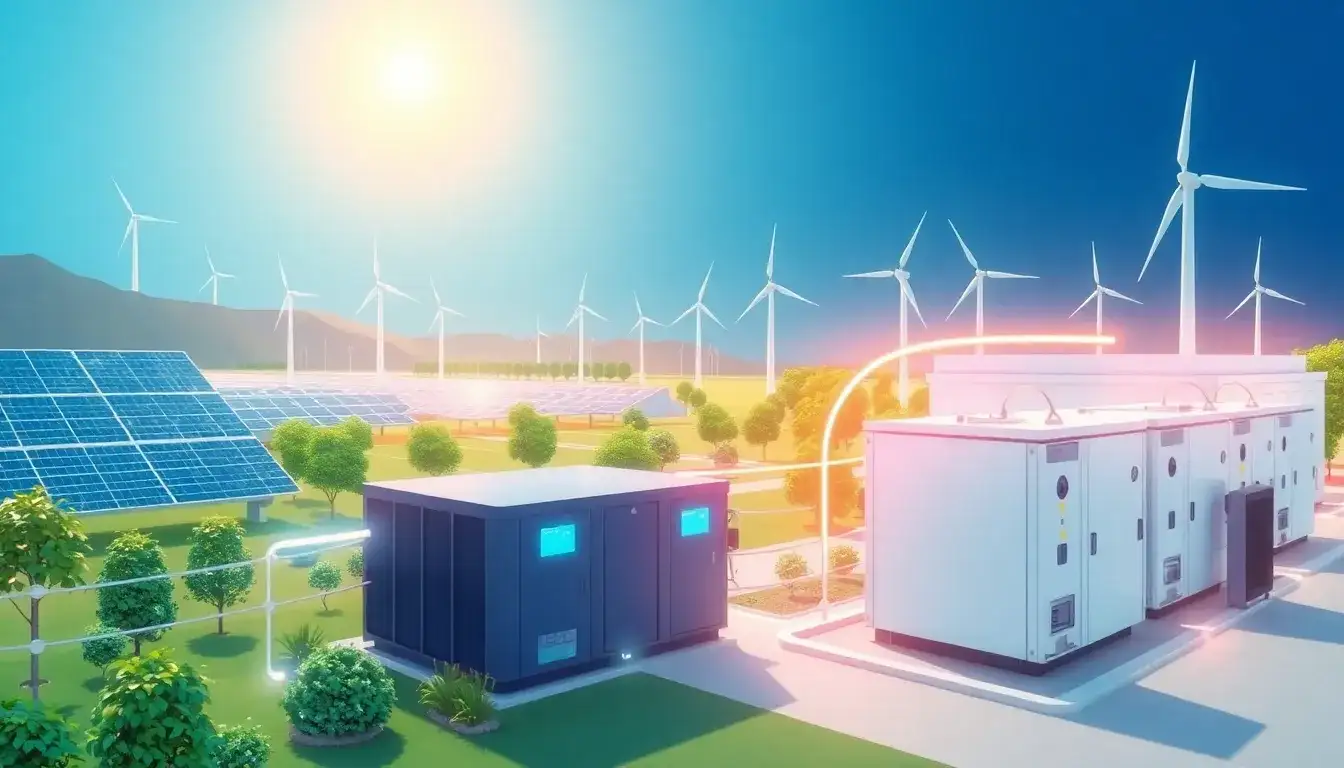
Yes, energy storage systems can be integrated with renewable energy sources to improve frequency regulation and overall grid stability. Here’s how they contribute:
Role of Energy Storage in Frequency Regulation
- Balancing Variability: Renewable energy sources like wind and solar are intermittent, meaning they do not generate electricity at a constant rate. Energy storage systems can absorb or supply energy when needed, balancing the variability in renewable output.
- Frequency Regulation: Energy storage helps maintain grid stability by providing fast frequency response services. This is crucial as the grid relies on maintaining a precise frequency to ensure reliable power delivery. Energy storage systems can rapidly inject or withdraw power to stabilize the grid frequency.
- Grid Services: Besides frequency regulation, storage systems can offer other grid services such as voltage support and ramp rate management, which are essential for integrating variable renewables into the grid effectively.
Integration Mechanisms
- Utility-Scale Installations: Utility-scale energy storage systems, often in the form of large battery installations, can be integrated with wind farms and solar parks to stabilize output and provide ancillary grid services. These installations are typically used for frequency regulation and arbitrage.
- Behind-the-Meter (BTM) Solutions: Commercial and residential installations can also be integrated with on-site renewables to optimize self-consumption and provide backup power during outages. These systems can help stabilize local grid segments.
Technologies Used for Renewable Energy Storage
- Battery Energy Storage Systems (BESS): These are the most common and fastest-growing form of energy storage. They use chemical reactions to store and release electricity.
- Pumped Hydroelectric Storage: This method stores gravitational potential energy by pumping water into a reservoir during low-demand periods and releasing it to generate electricity when needed.
- Thermal Energy Storage: This involves storing excess energy as heat for later use. Technologies include thermal sand batteries and pumped heat electrical storage.
Benefits of Energy Storage with Renewables
- Enhanced Reliability: Energy storage helps ensure that renewable energy can be used reliably by smoothing out variability and providing power during periods of low renewable output.
- Reduced Waste: Storage prevents curtailment of renewable generation by storing excess energy for later use when demand is higher.
- Cost Efficiency: Energy storage can support the integration of more cost-effective renewable resources by maximizing their output and reducing waste.
Original article by NenPower, If reposted, please credit the source: https://nenpower.com/blog/can-energy-storage-systems-be-integrated-with-renewable-energy-sources-for-better-frequency-regulation/

