

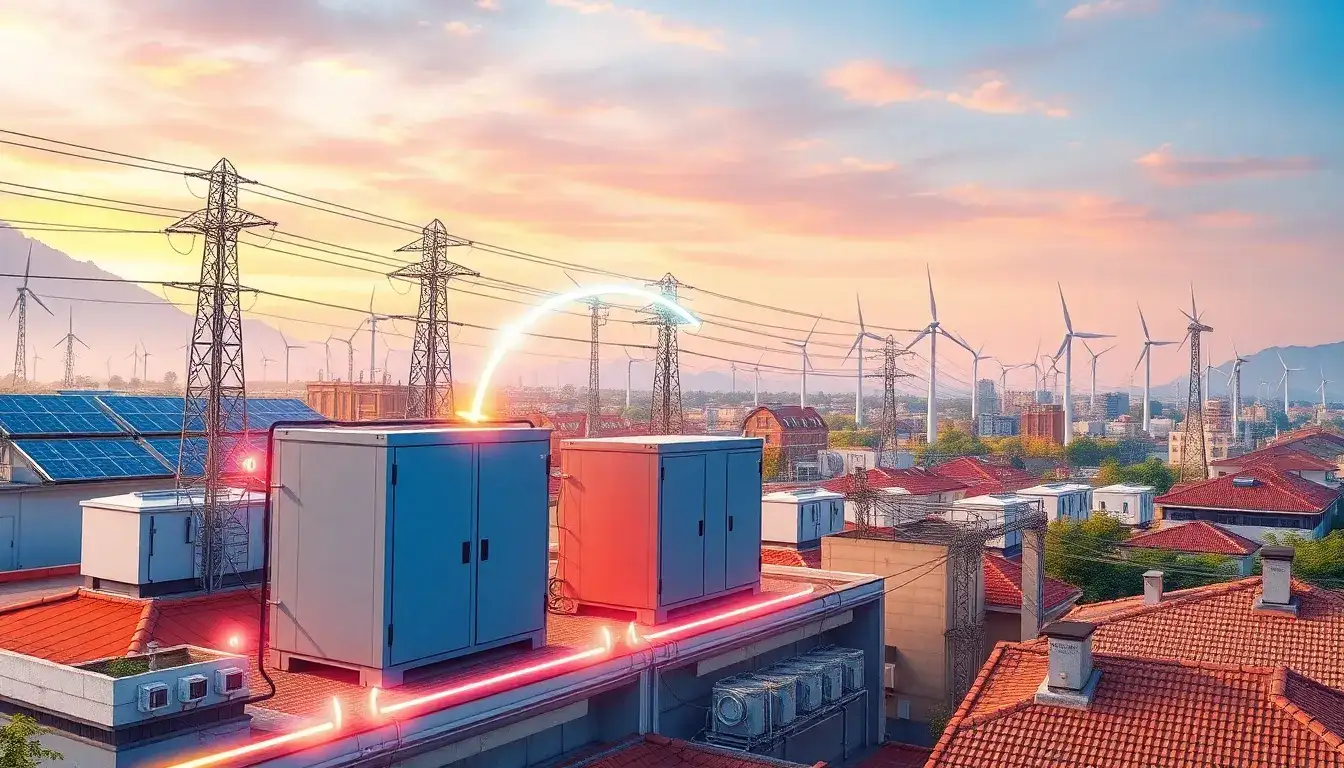
Yes, energy storage systems can be integrated with existing grid infrastructure. This integration is crucial for enhancing grid flexibility, especially as the share of variable renewable energy sources like solar and wind increases. Here are some key aspects of integrating energy storage into the grid:
Integration Benefits
- Renewable Energy Integration: Energy storage helps stabilize the grid by smoothing out the variability of renewable energy sources. It can store excess energy generated during periods of high production, such as during sunny days or windy hours, and release it when needed, ensuring a stable power supply.
- Grid Services: Energy storage systems provide essential grid services such as frequency regulation, helping to maintain grid stability by compensating for sudden changes in supply or demand.
- Cost Savings: By storing energy when it is cheap and releasing it during peak demand periods, energy storage can help reduce costs for both utilities and consumers, optimizing energy usage and reducing strain on the grid.
Types of Energy Storage
- Grid-Scale Batteries: These are increasingly used for sub-hourly, hourly, and daily balancing of electricity supply and demand. Technologies like lithium-ion batteries are highly suitable for shorter duration storage.
- Pumped-Storage Hydroelectricity: Though geographically limited, this remains the largest form of grid storage, offering long-duration energy storage.
- Other Technologies: Flow batteries and compressed air energy storage are options for medium-duration storage, while green hydrogen and thermal energy storage can offer long-duration solutions.
Challenges and Considerations
- Infrastructure Compatibility: Ensuring that new energy storage systems are compatible with existing grid infrastructure is crucial. This involves resolving technical issues related to power electronics and control strategies.
- Regulatory Frameworks: Effective integration also requires supportive regulatory frameworks that incentivize the use of energy storage systems. This includes enabling revenue models such as revenue stacking, where storage operators can earn revenue from multiple grid services.
- Cost Reductions: The cost-effectiveness of energy storage technologies continues to improve as technology advances and economies of scale are achieved. However, challenges like critical mineral prices remain significant for some technologies.
Overall, integrating energy storage systems with existing grid infrastructure is not only possible but essential for a reliable and sustainable energy future.
Original article by NenPower, If reposted, please credit the source: https://nenpower.com/blog/can-energy-storage-systems-be-integrated-with-existing-grid-infrastructure/

