

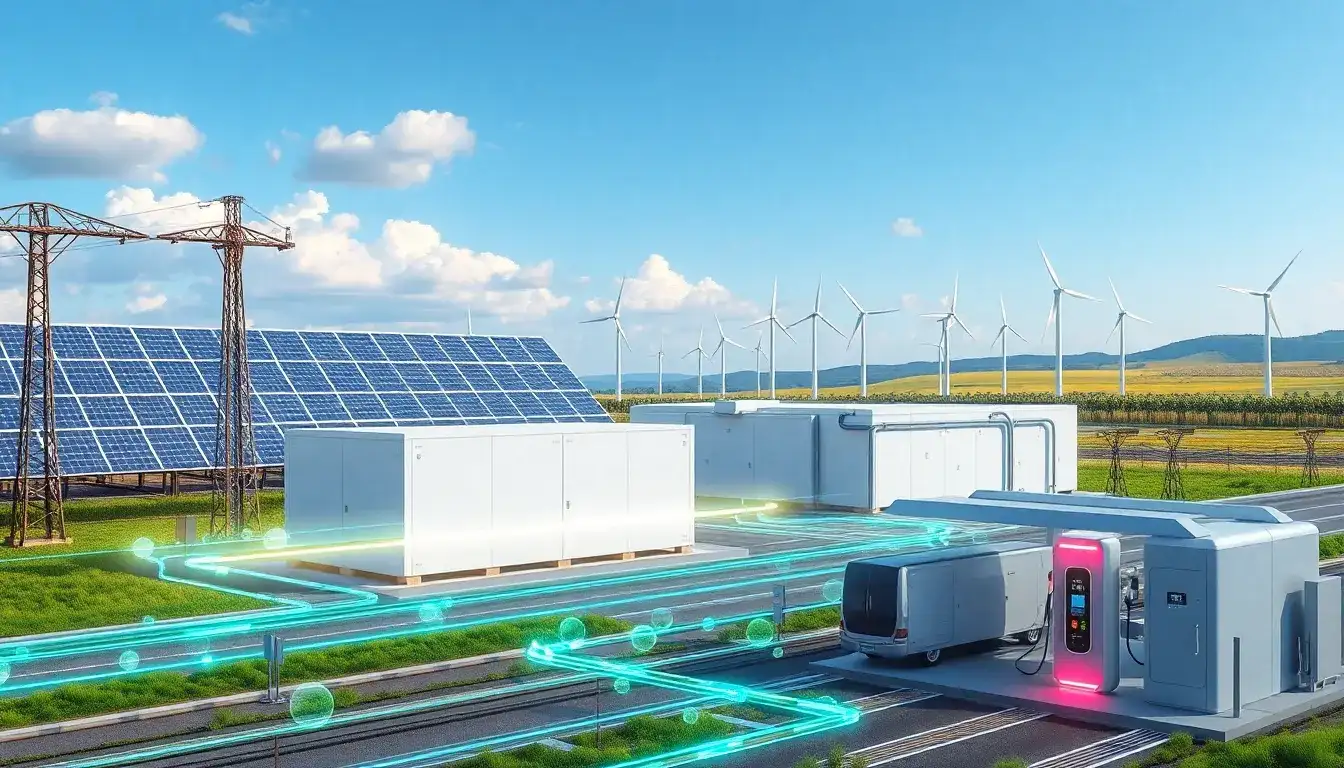
Energy storage can play a crucial role in reducing the reliance on fossil fuels in the energy grid by addressing several key challenges:
How Energy Storage Helps
- Mitigating Intermittency: Renewable energy sources like solar and wind are intermittent, meaning their power output varies with weather conditions. Energy storage technologies such as lithium-ion batteries, pumped hydroelectric systems, and liquid air energy storage (LAES) can store excess energy generated during periods of high output, making it available during periods of low output or high demand. This helps to stabilize the grid and ensure a consistent power supply, reducing the need for fossil fuels to cover these fluctuations.
- Improving Grid Reliability and Efficiency: Energy storage can improve the overall reliability of the grid by providing backup power during outages and helping to manage peak demand periods. This reduces the strain on traditional fossil fuel-based power plants, which often run inefficiently to meet sudden spikes in demand.
- Enhancing the Use of Renewable Energy: By storing energy from renewable sources, energy storage technologies facilitate greater integration of these clean energy sources into the grid. This not only increases the share of renewable energy in the mix but also helps to reduce the reliance on fossil fuels for electricity generation.
- Supporting Decarbonization: Energy storage can accelerate grid decarbonization by providing a means to save and use energy from clean sources, thus reducing emissions from traditional fossil fuel plants. It also supports the transition to a cleaner grid by offering solutions for long-duration storage, which is essential for ensuring grid stability as renewable energy grows.
Challenges and Considerations
- Hybridization with Fossil Plants: While pairing energy storage with fossil fuel plants (hybridization) might seem beneficial, it can have drawbacks if not implemented with strong regulatory oversight and market incentives. Hybridization can prolong the life of polluting plants unless batteries are used to significantly reduce the runtime of fossil turbines, ideally by charging from clean sources.
- Technological Variability: Different energy storage technologies vary in their suitability for different environments and uses. For instance, liquid air energy storage offers flexibility in location but requires significant infrastructure, while pumped hydroelectric storage is limited to specific geographical conditions.
- Cost and Efficiency: The cost and efficiency of energy storage systems remain challenges. As technology improves and economies of scale are achieved through increased adoption, these costs are expected to decrease, making energy storage more viable as a tool for reducing fossil fuel reliance.
In summary, energy storage is a crucial component in transitioning towards a low-carbon energy grid. It helps integrate renewable energy, reduce peak demand pressures on fossil fuels, and improve grid reliability. However, careful planning and regulation are needed to maximize its benefits in reducing reliance on fossil fuels.
Original article by NenPower, If reposted, please credit the source: https://nenpower.com/blog/can-energy-storage-help-in-reducing-the-reliance-on-fossil-fuels-in-the-energy-grid/

