

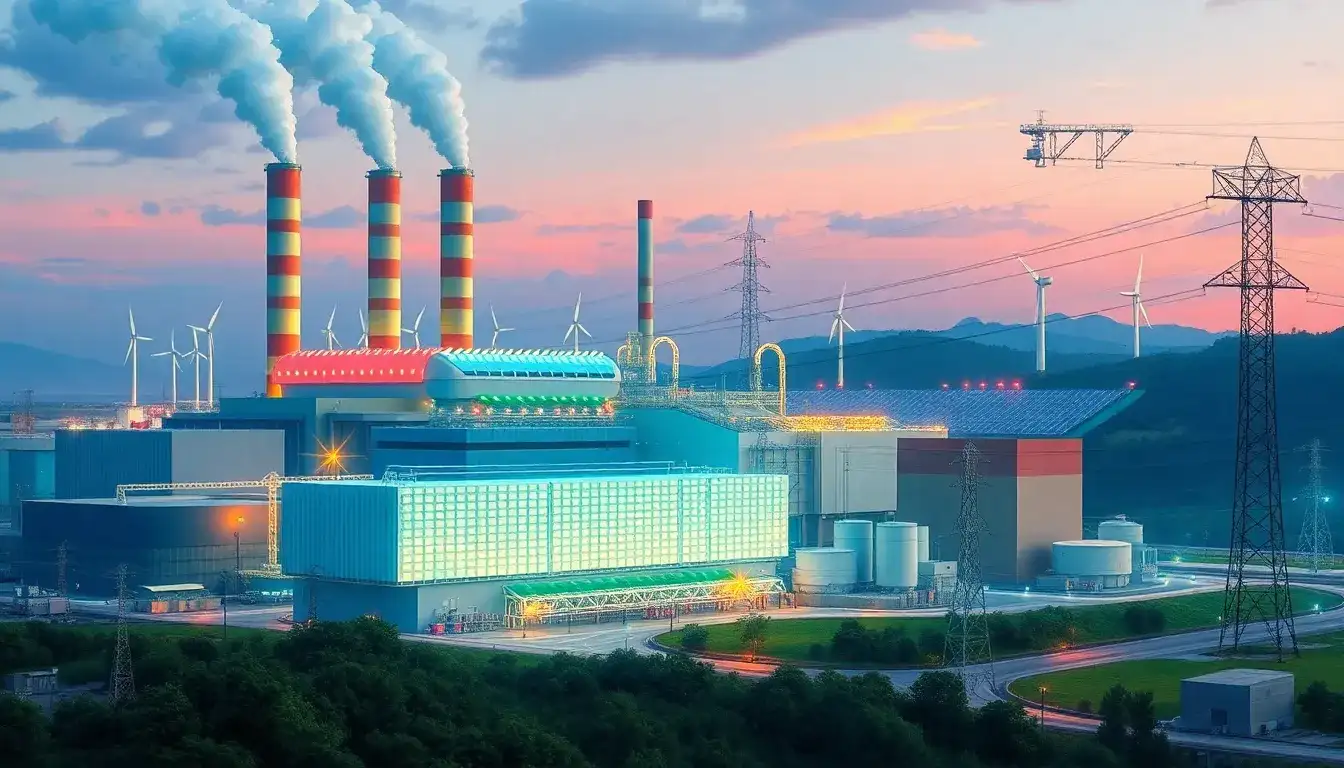
Energy storage can help in reducing the operational costs of fossil fuel power plants through several mechanisms, but the effectiveness depends on how it is integrated and utilized within the system. Here are some ways energy storage can impact operational costs:
- Peak Demand Reduction: Energy storage systems can help manage peak demand periods by storing excess energy generated during off-peak times and dispatching it when needed. This can reduce the strain on fossil-fueled peaker plants, which are typically less efficient and more expensive to operate during peak periods.
- Flexibility and Efficiency: Energy storage can provide flexibility by allowing grids to stabilize frequency or voltage more efficiently than traditional fossil fuel plants. This can reduce the operational hours of less efficient fossil fuel units, thereby decreasing overall operational costs.
- Hybridization: Hybridizing fossil fuel plants with energy storage can potentially reduce emissions and improve efficiency. However, this approach requires careful planning and strong regulatory incentives to ensure that the batteries are used effectively to reduce fossil fuel usage rather than merely prolonging its operational life.
Despite these benefits, energy storage alone may not directly reduce the operational costs of fossil fuel power plants unless it leads to a significant reduction in their usage or runtime. However, it can be part of a broader strategy to transition towards cleaner, more efficient energy systems, which ultimately could lead to cost savings by reducing reliance on costly peaking operations.
Original article by NenPower, If reposted, please credit the source: https://nenpower.com/blog/can-energy-storage-help-in-reducing-the-operational-costs-of-fossil-fuel-power-plants/

