

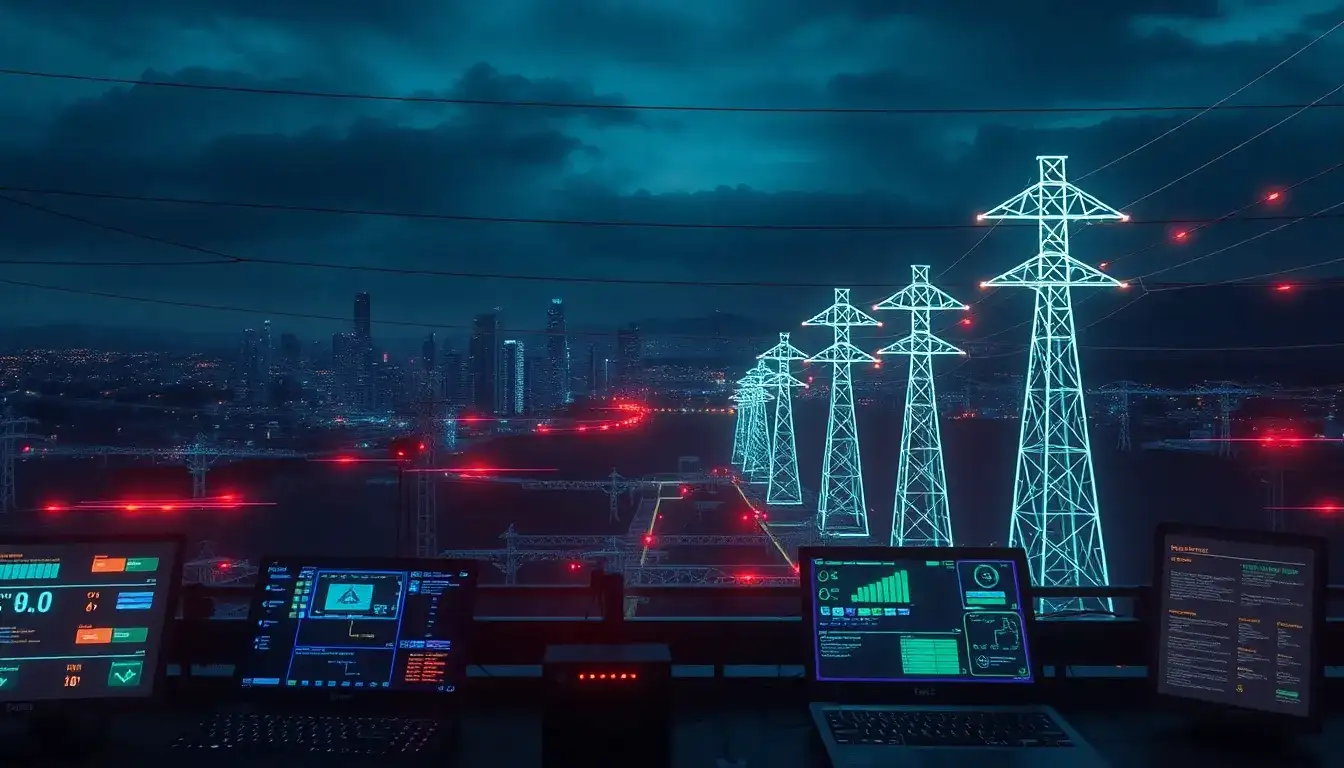
Yes, energy storage can be used to stabilize the grid during power outages. Here are some key ways energy storage systems (ESS) support grid stability:
Roles of Energy Storage in Grid Stabilization
- Peak Load Management and Grid Stabilization: Energy storage systems, such as battery energy storage systems (BESS), help stabilize the grid by managing peak load conditions. They absorb excess energy during low demand periods and supply stored energy during peak demand, reducing strain on the grid and the risk of blackouts.
- Frequency Regulation: BESS systems provide frequency regulation by dynamically adjusting power output to match real-time grid conditions. This helps stabilize the grid frequency within acceptable ranges during power fluctuations.
- Backup Power During Outages: Energy storage systems act as a backup power source during grid outages or equipment failures. They bridge power gaps, ensuring a more consistent electricity supply to consumers and enhancing grid resiliency.
- Integrating Renewable Energy: ESS helps integrate renewable energy sources like solar and wind by storing excess energy produced during periods of high generation and releasing it when renewable production is low. This ensures a smoother supply of renewable energy.
Challenges and Future Prospects
While energy storage offers these benefits, there are challenges such as initial investment costs and environmental impacts from battery production and disposal. However, costs are decreasing, and advancements in technologies like solid-state batteries and decentralized storage are promising for future grid stability and resilience.
Overall, energy storage plays a crucial role in stabilizing the grid during power outages and integrating renewable energy, making it indispensable for modernizing the grid to meet 21st-century demands.
Original article by NenPower, If reposted, please credit the source: https://nenpower.com/blog/can-energy-storage-be-used-to-stabilize-the-grid-during-power-outages/

