Battery energy storage systems (BESS) can indeed be used to support electric vehicle (EV) charging infrastructure, particularly to enhance fast charging capabilities, reduce costs, and improve grid resilience.
How BESS Supports EV Charging Infrastructure
1. Enable Fast Charging in Grid-Limited Areas
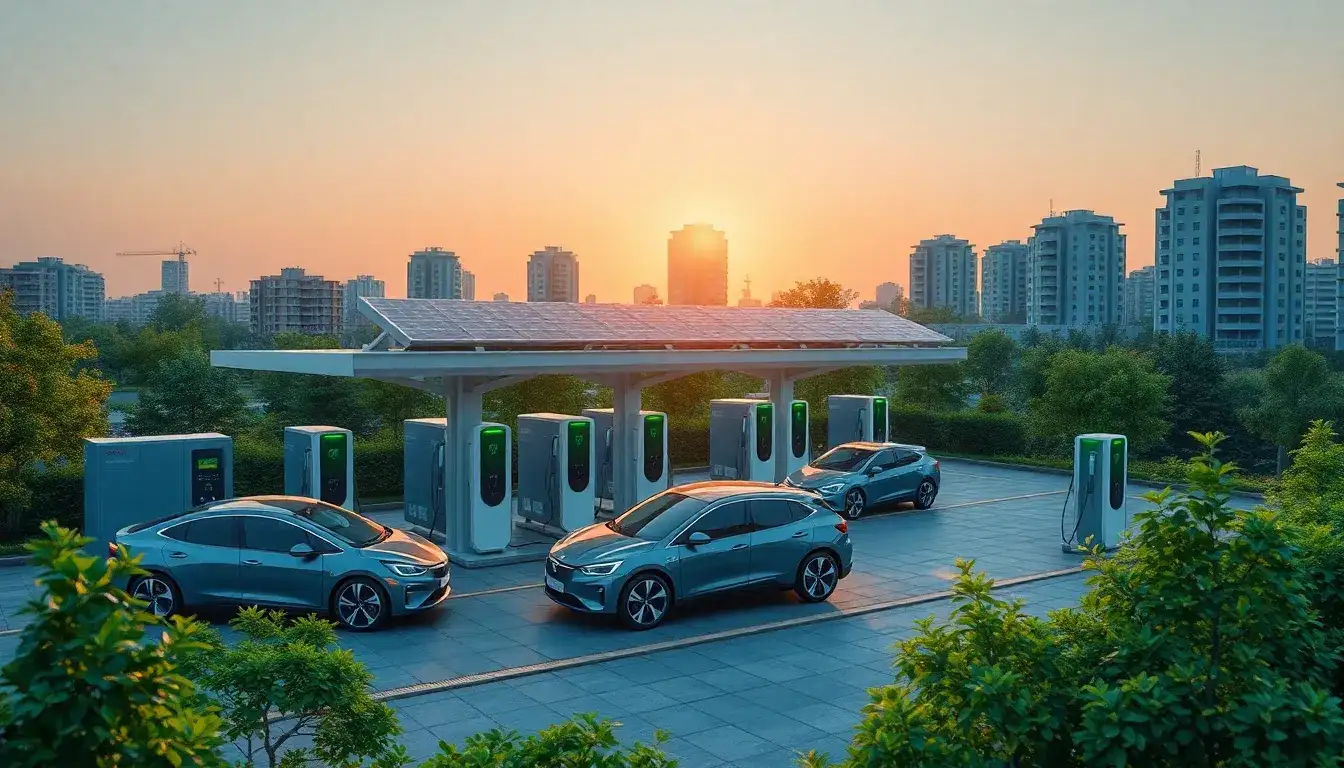
BESS can store electricity from the grid at a steady, moderate rate and then discharge energy rapidly to EVs when fast charging is requested. This “battery-buffered fast charging” allows charging stations to deliver high power (e.g., 150 kW or more) intermittently without requiring the grid infrastructure to support such peak loads directly. This capability is especially useful in locations where grid capacity is limited or upgrading the grid would be costly and time-consuming.
2. Reduce Operating and Infrastructure Costs
By smoothing out power demand—charging the battery during off-peak hours and discharging during peak EV charging demand—BESS reduces peak power draw from the grid. This reduces demand charges and can shift energy use to less expensive time periods, lowering operating costs for charging station owners. It also allows deferral or avoidance of expensive grid upgrades like transformers or cables.
3. Increase Charging Station Resiliency and Reliability
BESS provides backup power during grid outages or disruptions, ensuring charging stations remain operational. This is critical for emergency situations or locations with unreliable grid service.
4. Boost Charging Capacity and Efficiency
Battery storage increases the effective power output capacity of charging hubs by managing energy flows intelligently and reducing transmission losses, improving overall charging efficiency and user convenience.
Use Cases and Global Adoption
- BESS-backed EV charging stations are being implemented in countries like the United States, Germany, China, Malaysia, and others to facilitate large-scale EV infrastructure deployment without overburdening the grid.
- For example, Electrify America deploys Tesla Powerpacks at multiple California stations, and German startups and automotive companies are collaborating on battery storage-integrated charging parks.
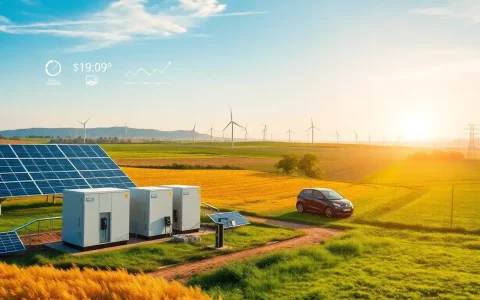
- Incorporating renewable energy sources (e.g., solar PV) with BESS further enhances sustainability and energy independence of EV charging sites.
Potential Considerations
- Addition of BESS increases capital expenditure and adds equipment complexity, which should be balanced against expected benefits.
- Battery sizing must be appropriate to avoid depletion and reduced charging performance during high demand periods.
Summary Table of BESS Benefits for EV Charging Infrastructure
| Benefit | Description |
|---|---|
| Enable fast charging | Supplies high power quickly without large grid upgrades |
| Cost reduction | Lower demand charges and shift energy use to off-peak times |
| Resiliency and reliability | Backup power during outages or grid disruptions |
| Increased capacity | Higher effective charging power via energy management |
| Improved efficiency | Reduced transmission losses and better charging control |
| Facilitates integration with renewables | Supports solar and other clean energy sources |
In conclusion, battery energy storage systems represent a key technology to support, enhance, and expand electric vehicle charging infrastructure by buffering grid demand, lowering costs, increasing resilience, and enabling fast charging even in grid-constrained areas.
Original article by NenPower, If reposted, please credit the source: https://nenpower.com/blog/can-battery-energy-storage-systems-be-used-to-support-electric-vehicle-charging-infrastructure/