

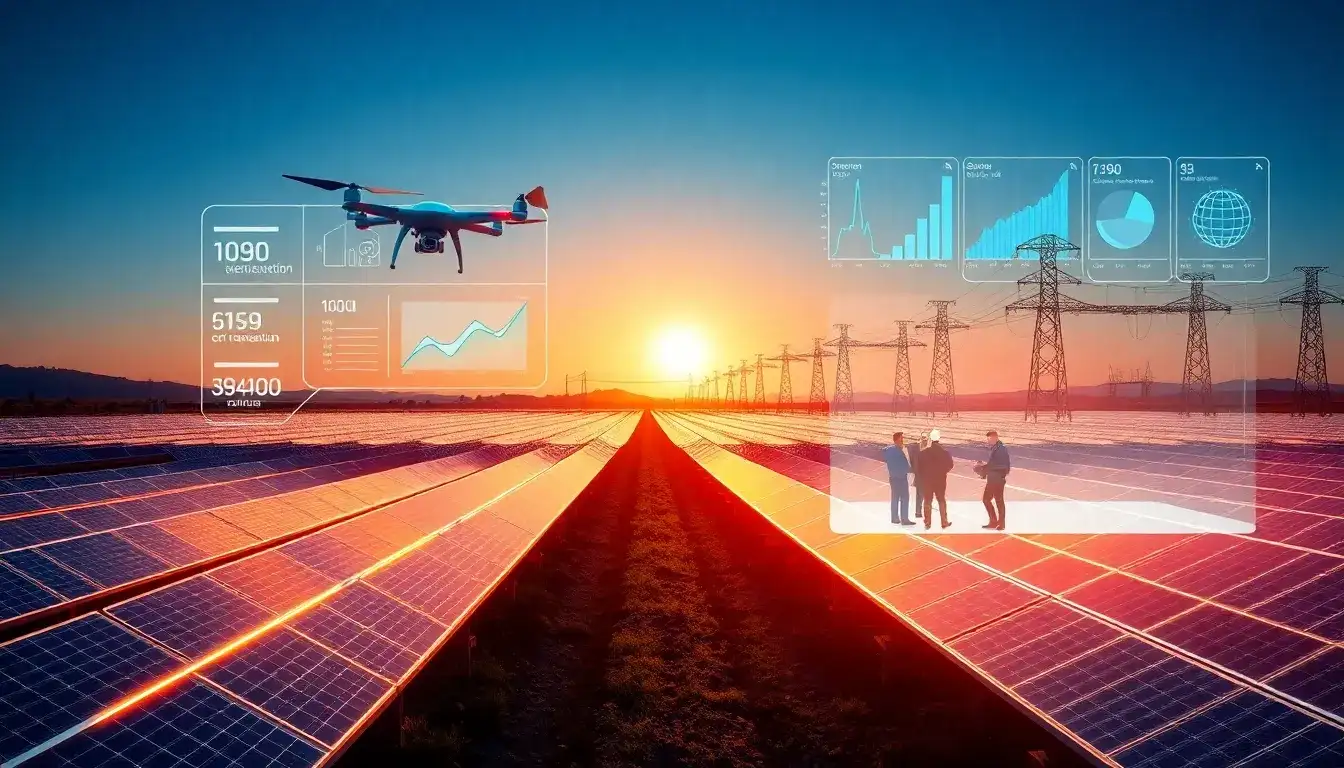
AI can indeed optimize the efficiency of solar panels in real-time through advanced data analysis, machine learning, and predictive algorithms. This technology continuously monitors various parameters affecting solar panel performance — such as weather conditions, shading, dirt accumulation, and panel orientation — and dynamically adjusts operations to maximize energy output.
How AI Optimizes Solar Panel Efficiency in Real-Time
- Real-time Data Analysis and Monitoring: AI systems gather and process data from sensors on solar panels and environmental data (e.g., sunlight intensity, temperature, cloud cover) to detect inefficiencies instantly. For example, AI can identify panels underperforming due to shading or dirt and recommend cleaning or maintenance actions.
- Dynamic Adjustment of Panel Orientation: Using machine learning, AI can optimize the tilt and angle of solar panels throughout the day to capture the maximum sunlight possible, adapting to changing weather and seasonal conditions automatically.
- Predictive Maintenance: AI algorithms predict potential faults before they cause breakdowns by detecting anomalies in panel performance. This allows for proactive maintenance scheduling, reducing downtime and repair costs.
- Optimized Energy Storage and Usage: AI manages energy storage efficiently by forecasting solar energy generation and consumption patterns. It schedules battery charging and discharging to maximize use of generated solar power and minimize dependency on the grid, enhancing energy independence and cost savings.
- Weather Forecasting Integration: AI incorporates short- and long-term weather predictions to anticipate solar irradiance changes, enabling the system to optimize energy production strategies accordingly.
Benefits of AI-Powered Solar Panel Optimization
| Benefit | Description |
|---|---|
| Increased Energy Output | AI-driven optimization can improve energy yields by up to 25% by ensuring panels operate at peak conditions. |
| Reduced Operational Costs | AI helps lower maintenance and operational costs by enabling predictive maintenance and reducing waste. |
| Enhanced Reliability | Early fault detection and dynamic system adjustments ensure continuous and stable power generation. |
| Sustainability | Maximizes renewable energy capture, reducing carbon footprint and supporting environmental goals. |
| Energy Independence | Efficient storage and usage management reduce reliance on external power grids. |
Real-World Applications and Results
- AI-based systems demonstrated a 15-20% improvement in energy utilization and an 85% accuracy rate in fault detection compared to conventional methods in actual solar farm deployments.
- AI-driven solar management platforms, such as those by SolarEdge and Enphase, use real-time monitoring and smart inverters to dynamically optimize solar panel performance and energy flow.
- Research trials in Europe using AI for rooftop solar panel optimization reported up to 25% cost savings and significant improvements in forecasting and performance accuracy.
- Drones equipped with AI-powered computer vision inspect solar arrays to identify defects and debris quickly, facilitating timely cleaning and repairs.
Conclusion
Artificial intelligence is a transformative technology for solar energy, enabling real-time optimization of solar panel efficiency through continuous monitoring, dynamic adjustments, predictive maintenance, and smart energy management. By leveraging machine learning and data analytics, AI maximizes energy production, reduces operational costs, and increases the reliability of solar power systems—paving the way for more sustainable and economically viable solar energy deployment worldwide.
Original article by NenPower, If reposted, please credit the source: https://nenpower.com/blog/can-ai-optimize-the-efficiency-of-solar-panels-in-real-time/

