

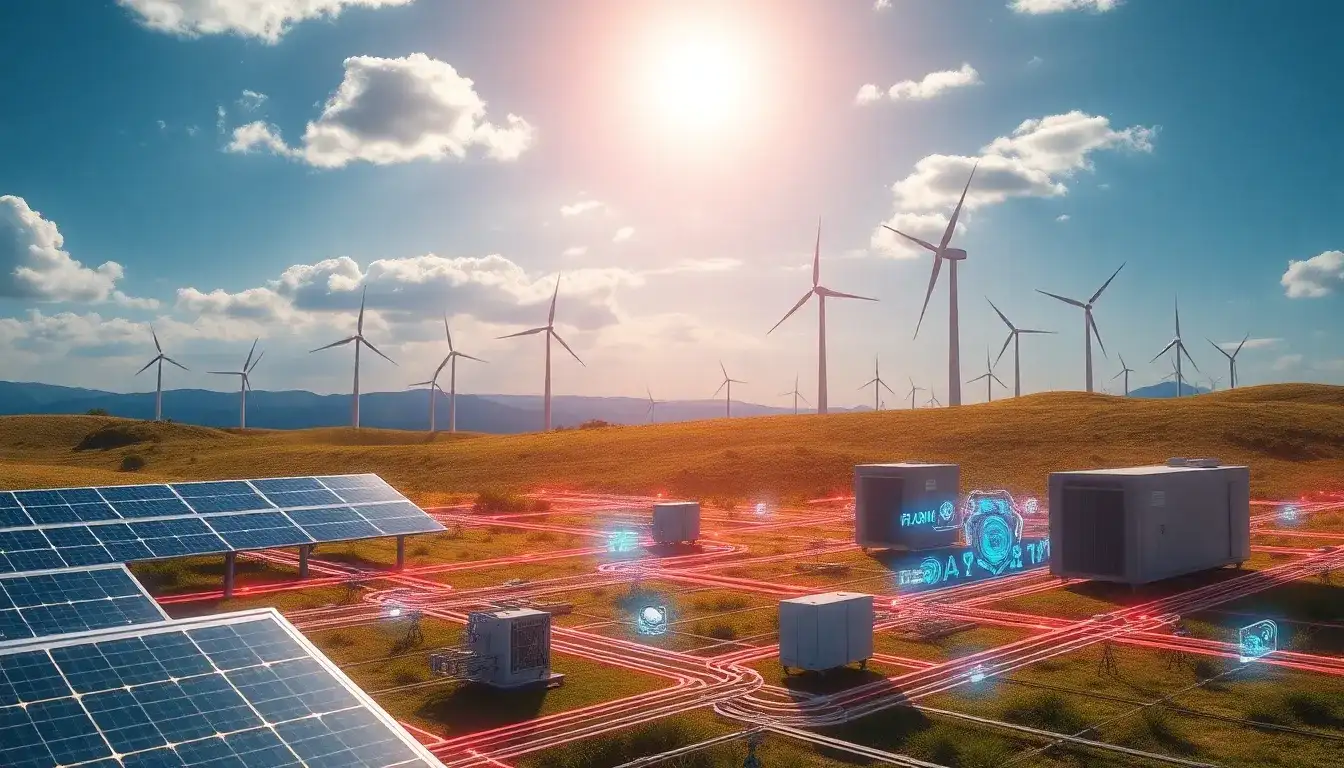
AI can indeed optimize energy storage to adapt to different weather conditions by leveraging advanced forecasting and real-time data analysis. Using machine learning and AI-driven climate forecasting, energy management systems can predict weather patterns—such as sunlight intensity, wind speeds, and temperature fluctuations—that directly affect renewable energy generation from solar panels, wind turbines, and other sources. This enables intelligent, dynamic optimization of energy storage systems (ESS) to balance supply and demand effectively.
How AI Optimizes Energy Storage for Weather Variability:
- Weather-Responsive Forecasting: AI models analyze historical weather data along with real-time meteorological inputs to forecast renewable energy output hours to days in advance. For example, AI can predict solar power generation by estimating sunlight levels or wind energy by forecasting wind patterns.
- Energy Storage Management: By accurately forecasting energy production and consumption patterns based on weather predictions, AI algorithms optimize when to store excess renewable energy and when to release it, maximizing system efficiency and grid stability.
- Self-Healing and Resilience: In extreme weather events, AI-enhanced disaster response models help utilities anticipate potential outages and adapt storage strategies accordingly, ensuring minimal disruptions and quicker service restoration.
- Integration with Smart Grids: AI uses weather data to dynamically adjust grid operations, automatically rerouting power and managing storage to cope with fluctuations in renewable energy availability and consumer demand.
- Long-Term and Short-Term Planning: AI supports both immediate operational decisions and strategic infrastructure planning by forecasting short-term energy outputs and long-term weather trends, helping to size and site energy storage systems optimally.
Benefits of AI-Optimized Energy Storage for Weather Conditions:
- Reduced reliance on fossil-fuel backup power during periods of low renewable generation
- Enhanced grid stability and efficiency by smoothing intermittent renewable output
- Lower energy waste by matching supply with demand more precisely
- Improved sustainability via better utilization of renewable resources
- Cost savings through predictive maintenance and efficient asset management
In summary, AI-driven energy management systems effectively optimize energy storage by anticipating and adapting to changing weather conditions, thereby maximizing renewable energy use, ensuring grid reliability, and supporting clean energy goals.
Original article by NenPower, If reposted, please credit the source: https://nenpower.com/blog/can-ai-optimize-energy-storage-for-different-weather-conditions/

