

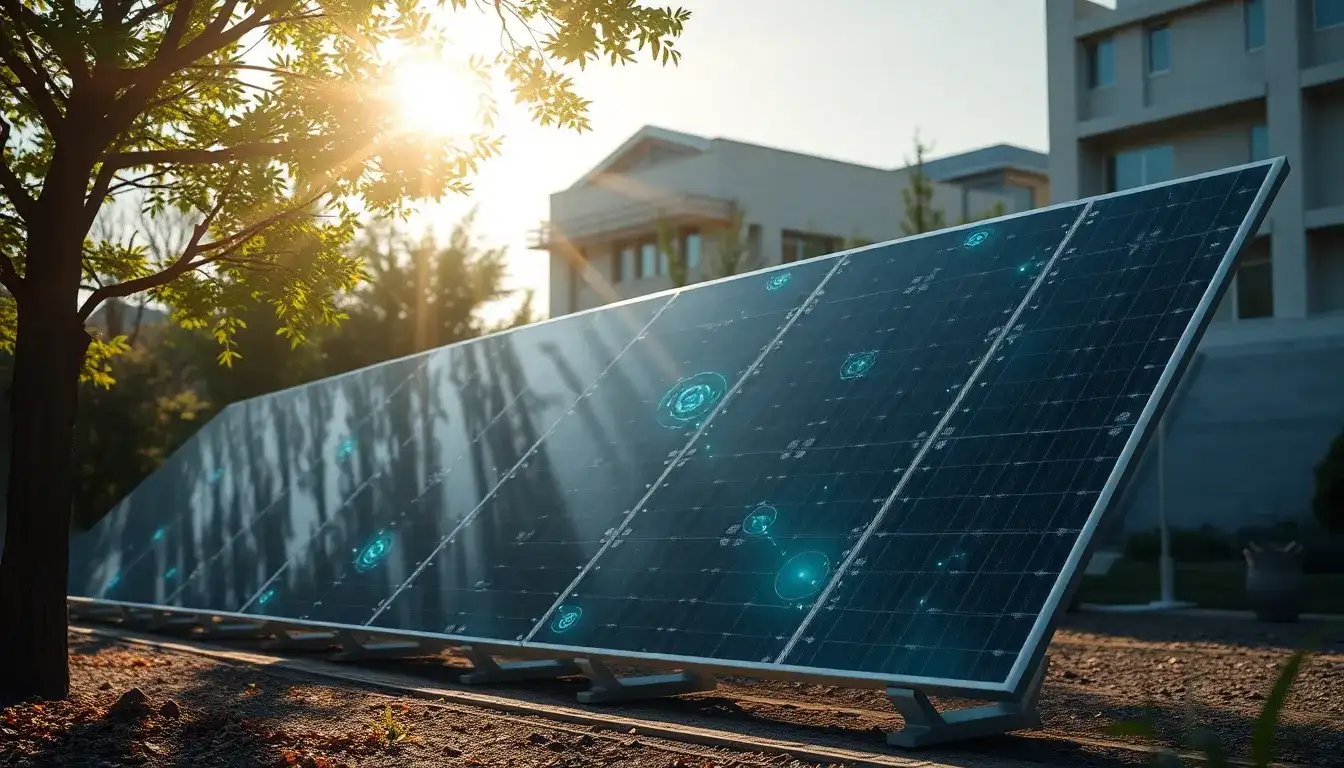
Yes, AI can improve the efficiency of solar panels in shaded areas. Here are some ways AI enhances solar panel performance, even in challenging conditions:
AI Applications in Solar Panel Efficiency
1. Optimization Techniques
- Shading Analysis: AI algorithms can analyze the impact of shading on solar panels, allowing for optimal placement and configuration to minimize energy loss. For instance, AI can help determine the best arrangement of panels on rooftops with varying shade patterns.
- Angle and Positioning Optimization: AI systems optimize the tilt and orientation of solar panels to maximize sunlight exposure, even in shaded areas. Advanced algorithms adjust the positioning based on real-time weather data and sunlight patterns.
2. Predictive Maintenance
- AI-powered predictive maintenance identifies potential issues with solar panels, such as dirt accumulation or orientation problems, which are common in shaded areas. By addressing these issues promptly, AI can prevent significant energy losses and reduce downtime.
3. Energy Yield Forecasting
- AI-driven forecasting systems predict solar energy output based on environmental conditions, allowing for smarter management of energy storage and distribution. This is particularly beneficial in shaded areas where energy production may vary more widely.
4. Real-Time Monitoring and Adaptation
- Advanced AI systems continuously monitor solar panel performance, adapting to changing environmental conditions in real-time. This includes adjusting the operation of solar systems to optimize energy output even when partial shading occurs.
Conclusion
AI significantly enhances the efficiency and performance of solar panels, even in shaded areas. By leveraging AI for optimization, maintenance, forecasting, and real-time monitoring, solar energy systems can achieve better outcomes despite environmental challenges.
Original article by NenPower, If reposted, please credit the source: https://nenpower.com/blog/can-ai-improve-the-efficiency-of-solar-panels-in-shaded-areas/

